Featured

BE A SMART HEALTH INVESTOR IN THIS 2021 AND BEYOND.

My curiosity made me to find out what keeps us moving in this world but to my surprise, it was revealed that there are three key foundations a country stands on; Health, Education and Agriculture. Each of these is interdependent. We need knowledge to understand our health, and we need food to give us energy to be able to acquire knowledge and stay healthy. With this, it can be argued that any smart nation or individual must invest in Health, Education, and Agriculture. This leads us to our discussion on health investment and how smart it should be!

According to World Health Organisation (WHO): “Health is a human right”, hence everyone has right to good health but this is not achieved on a silver platter, it takes a lot of work and planning as individual, institutions and government at large to achieve this. With proper planning, you can easily have good health to enjoy the world flexibly and freely. Https:www.nuviewnutrition.com asserted that “make health a lifestyle rather than a chore”. This means it is very wise to invest in the food we eat mundane, activities of daily living like exercises, managing our stresses, making more time for our body, mind and soul, our sexual life as well as spiritual life. This reminded me of my favourite quote I love so much from Heather Morgan that “every time you eat or drink, you are either feeding disease or fighting it”.

Additionally, from my personal experiences as a nurse clinician, it is very regrettable and extremely sad that sometimes money cannot buy health when very wealthy people are in sick beds. Some of my encounters revealed most rich people were busy chasing wealth than their health, and by the time ‘they’ obtained the wealth, their health are at deteriorating stage where nothing can be done. In a nutshell, be smart to invest in your health too as you chase the wealth so that you can enjoy your wealth in a healthy state. What gains do you get if you chase all the wealths in the world, neglecting your health consciously or unconsciously then someone who did not ‘sweat some’ enjoys the wealth when you’re terminally ill or dead?

To The Institutions and Government………….

According to WHO’s article titled “Health is a smart investment”, any nation with a good primary health care makes the population healthier. It was also noted in this article that most money goes into healthcare provided in hospitals rather than primary health care. Another revelation was that “the first line of defence against outbreaks and health emergencies is Primary Health Care”. For us to understand and appreciate the arguments made by WHO, we need to understand the Primary Health Care and its concept, hence, the next discussion.

WHO described Primary Health Care as “A comprehensive healthcare centred on the needs and preferences of individuals, families and communities throughout the lifespan, not just for a set of specific diseases”. In simple term; screening and treating common diseases, providing promotive and preventive health care like vaccinations, health information for behaviour change. WHO argued that Strong Primary Health Care system saves money for the state. For instance, people across the length and breadth of the country need to journey costly to hospitals where healthcare is more expensive to provide. The cost in caring for one with terminal illness can make the whole family wheel in a cycle of poverty. This can make one to make a decision between his or her mother’s medications and his or her child’s education which should not be so. Investing in Primary Health Care helps to obtain healthy productive populations to drive the economic growth. And this saves money for the state.

WHO estimates one trillion US dollars investment in health by 2030 if prevention and control efforts are not taking very serious. Ministry of Health (MOH) document titled Health financing in Ghana sighted revealed that by 2030, our population will increase by almost 40% and older 65 and above will increase by 90% which will burden our health financial needs or escalate our Total Health Expenditure (THE). It is therefore critical for government to invest in population control using health information strategies as one of the pillars of Primary Health Care to sensitise the public.

Health Expenditure…………

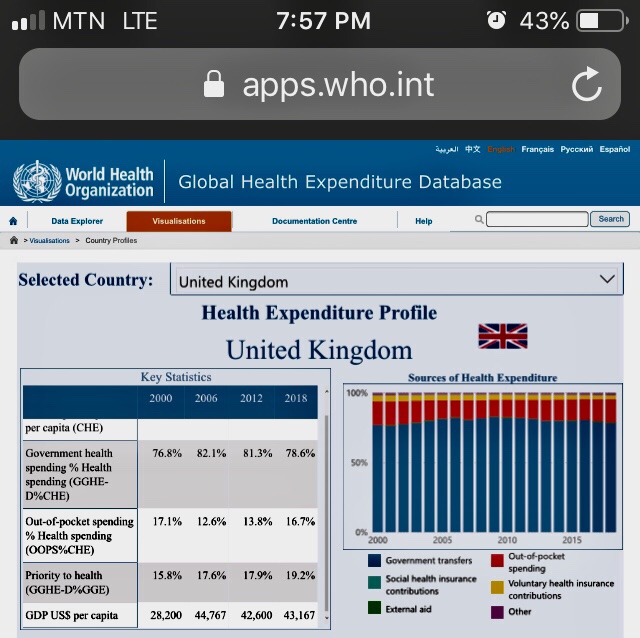
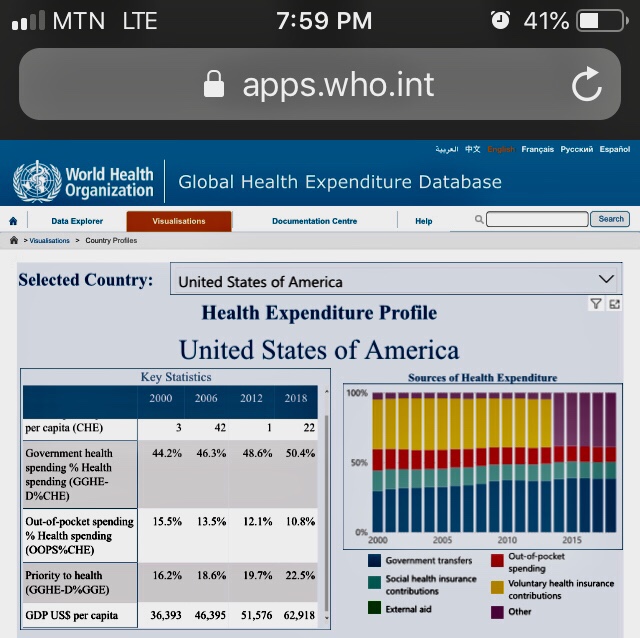
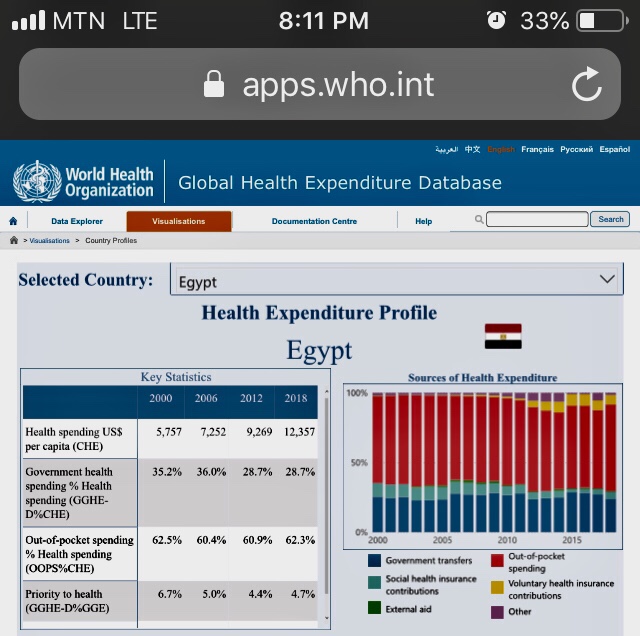
For you to appreciate smart health investment, it is only logical to discuss briefly health expenditure. Health expenditure in short is health spending. Let’s have in mind the two key terms which will be used in the discussions; Government health spending (health bills covered by national health insurance) and Out-of-pocket health spending ( health bills not covered by national health insurance and are paid directly by the private or individual.

Taking a critical look at the WHO Global Health Expenditure chart below of some selected countries like Ghana, the United Kingdom, the United States, and South Africa; Ghana our beloved country is not doing badly at all in government health spending, and reducing the out-of-pocket health spending to lower health financial burden on individuals, but there is more room for improvement.
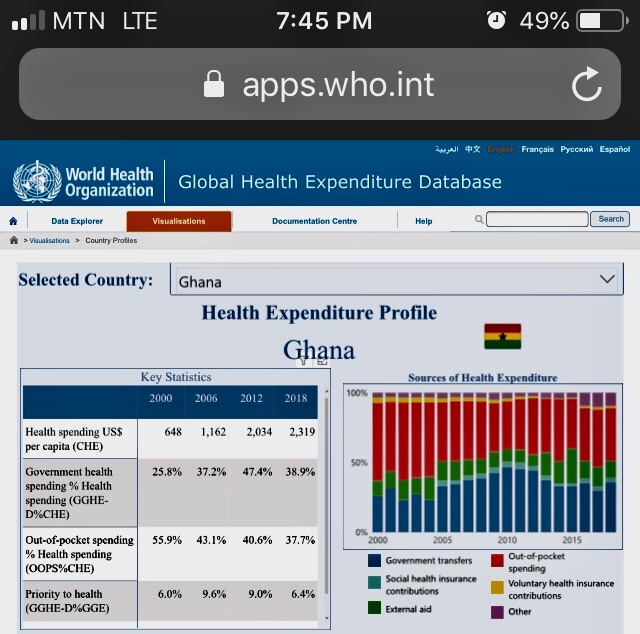
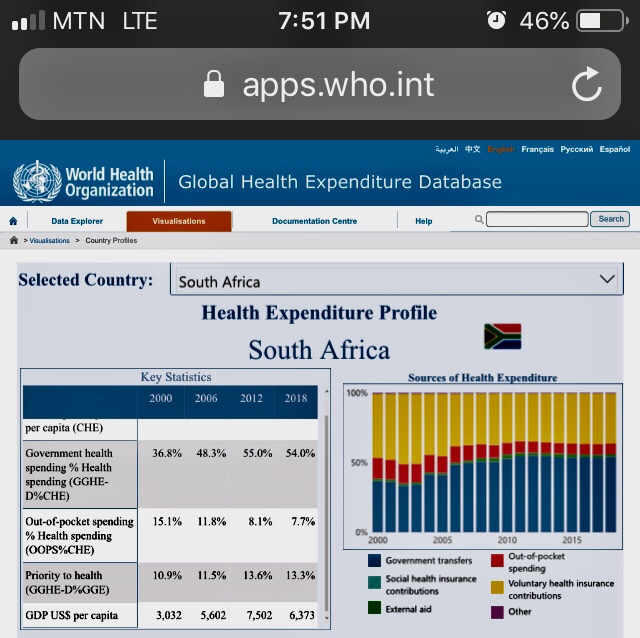
In conclusion, we as individuals should invest smartly in our personal health, paying attention to our promotive and preventative health as we chase the wealth. We should let our health be our lifestyle, not chore. To the institutions and government, let us invest most of the health spending into Primary Health Care to save the nation; let’s change the common mindset that investment in health is investment in hospitals. Let’s celebrate the new year safely by observing all the safety protocols because new variants of COVID-19 is aggressively emerging .

Sources:
1. https://www.who.int

2. https://www.moh.gov.gh

3. https://www.worldbank.org

Biotec World: From Roots to Modern Nursing

Photo credit: Flickr

Buckle up, everyone! Consider a world in which yeast transforms dough into light, airy bread, genes can be edited like a problematic tweet, and nurses have superpowers straight from a sci-fi action flick. This, folks, is biotechnology, the most epic crossover between science and innovation that’s been rolling with the punches for humanity for thousands of years. It’s taken humans from brewing ancient beers to zapping pathogens with pinpoint accuracy, precision, and biotech, which is more than just science—it’s an adventure that’s revolutionizing healthcare and saving lives daily. And leading the charge? Nurses, the unheralded heroes who are about to brandish genetic tricks and wizardry. Join us in this electrifying rodeo, where the past’s biggest hits meet today’s biggest game-changers, and we’ll wrap it all up with the biggest highlights.

The Time-Traveling Roots: Biotech’s Wild Evolution

Consider this: It all began with our very own ancestors back in 8000 BCE, who weren’t just living but biohacking before they knew it! The Chinese were fermenting grains to make beer around 7000 BCE, while the Egyptians were using yeast to leaven their bread around 4500 BCE. Yogurt and cheese were made possible through lactic acid bacteria in 6000 BCE. They also bred horses and donkeys to get mules! Now, skip all the way to 340 CE, with the first fecal microbiota transplant being used for digestive problems to show just how microbes were the true minimum viable products (MVPs) all along.

Then came the classical era (1800s to mid-1900s), when science moved from guesses to genius results. Charles Darwin’s theory of evolution in 1859 and Gregor Mendel’s genetics of peas in 1863 provided the DNA foundation. Louis Pasteur correctly identified the fermentation role of bacteria in 1862 and brewed up vaccines for cholera and anthrax. And then came Edward Jenner’s 1798 smallpox vaccine—a revolutionizer that eliminated smallpox by 1980. Alexander Fleming’s 1928 discovery of penicillin caused an antibiotic revolution and turned infections into a rapid solution to a life-threatening problem. This era brought a more industrial atmosphere to science, for example, the fermentation of citric acid in 1919.

Boom – the modern age arrives after World War II (WWII), when biotech takes off like a firework show! The 1953 Watson & Crick double helix DNA reveals the secret to replication. Recombinant DNA in 1973 led to the first genetically modified (GM) bacterium in 1976. 1983’s PCR technology ballooned DNA like a meme virus. The Human Genome Project in 2003 decoded our instruction manual; “Dolly” the sheep was cloned in 1996. CRISPR-Cas9 (the 2020 Nobel Prize-winning technology) allows us to precisely rewrite our genetic code like a character in a video game. What’s newsworthy in biotech? The 2010 synthetic genome by Craig Venter or AI’s AlphaFold prediction in 2020? Biotech’s progressed from making potions in a brew pot to decoding the code in life itself. Whoa!!!

Amplified Benefits: Healing, Feeding, and Greening the World

Biotech isn’t just history; biotech is a giant of change in medicine, agriculture, the environment, and more. In medicine, vaccines such as Pasteur’s smallpox ônlàster and COVID mRNA vaccines (Pfizer/Moderna) protected millions by keeping up with variants quicker than a chameleon. Artificial insulin (Humulin, 1982) has diabetes under control for 400 million people, booting animal-derived products for allergen-free wonder. Monoclonal antibodies destroy cancer, such as Herceptin for breast cancer, while gene therapies, such as Luxturna (2017), bring sight to light, and CRISPR clinical successes cured sickle-cell in 2020.

On the farm, GMO crops are production-enhancing beasts: Flavr Savr tomatoes (1994) reduce waste by extending shelf life, while Bt corn reduces pesticide use by 37% and increases production by 22%, and Roundup Ready soybeans nurture sustainable no-till agriculture. Biofertilizer derived from microbes conserves nitrogen without losing it to runoff, supporting a rapidly growing population of 190 million hectares of land worldwide.

Eco-warriors, rejoice! Bioplastics such as Avantium’s plant-based PEF in Coke packaging decrease CO2 emissions and are fully recyclable. Biofuels made by algae or straw can be used in cars, too. Global Bioenergies partners with Audi to make this greener. Enzymes recycle plastic (Carbos technology), extract carbon (Novonesis), or produce biopesticides to make pests extinct without affecting nature. Biotech enhances industry with microbial enzymes in soap to save energy in cold washes since the 1960s, probiotics in yogurt to promote digestion, or in vitro meat (approved in 2020), reducing emissions of farm animals by 96%!

Nursing’s Glow-Up: Biotech and Engineering Combine for Heroic Healthcare

And now, nurses and biotech: precise care by precision pros! Nurses apply genetic sequencing from the Human Genome Project to identify cancer at an early stage by using 23andMe for predictive purposes, but not for therapeutic purposes. Defects are corrected by gene therapy through appropriate genes inserted into stem cells (48/50 cured kids thriving); CRISPR corrects sickle cells by altering DNA, with nurses tracking side effects.

Recombinant insulin and antibodies ease managing diabetes and cancers, making chemo less nasty. Stem cells repair tissues, where a skin cell and vascular cell switch can cure wounds in a traumatically injured patient. Vaccines, as HPV injections, can prevent cancers, and mRNA helps nurses fight pandemics.

Then comes the role of engineering. Wearables monitor glucose or sleep patterns to alleviate labor shortages by processing data for intelligent care. Nurse-engineer pairs give birth to innovative solutions such as child-friendly pain tools or tele-IVs to drastically reduce mistakes and turnover. This combination of biotech, engineering, and nursing takes the drudgework out of care, boosts compassion, and provides training simulations similar to flight simulators.

It’s like an upgrade from nurses using hoverboards instead of biking: Less learning by trial and error—and personal soundtracks. CAR-T cells stealthily destroy tumor cells, mRNA vaccines overpowered viral invaders, and technology means more time to connect. But ethics warnings—nurses face privacy, inequity, and consent in these tech-filled halls.

Conclusion

Biotech stages from the Ancient period (before 1800: fermentation and breeding); Classical period (1800-1950: vaccines and antibiotics); Modern (post-1950: DNA editing and genomes), with medical marvels of eradicating diseases by vaccines, Insulin/gene therapies that control chronic diseases, and CRISPR that cures. Agri & Eco Wins: Biotech crops increase crop/yield, reduce pesticides, bioplastics/biofuels decrease emissions, and biotech enzymes facilitate eco, and Nursing Superpowers: Accurate diagnosis, tailor-made solutions, stem cell regeneration; Engineering: wearables or robots for added efficiency. The Power of this Interdisciplinary Collaboration, such as Nurse-engineer-Biotech Collaborations, Can Minimize Errors and Combat Shortages. This innovative approach can enhance access, maintain privacy, and sustain a brighter and healthier healthcare system. Biotech is not only changing but also revolutionizing!

References

Ahmed, S. K., & Mohammed, R. A. (2024). Integration of biomedical engineering principles in nursing education curriculum: A perspective. Taibah University Medical Sciences, 19(4), 737–738. https://doi.org/10.1016/j.jtumed.2024.06.005 

Andrews, R., Greasley, S., Knight, S., Sireau, S., Jordan, A., Bell, A., & White, P. (2020). Collaboration for clinical innovation: A nursing and engineering alliance for better patient care. Journal of Research in Nursing, 25(3), 291–304. https://doi.org/10.1177/1744987120918263 

Bavdekar, A. (2011). Biotechnology in the realm of history. Journal of Postgraduate Medicine, 57(3), 193-194. https://doi.org/10.4103/0022-3859.85203

Bifulco, M., Di Zazzo, E., Affinito, A., & Pagano, C. (2025). The relevance of the history of biotechnology for healthcare: Teaching students how biotechnology and medicine have been closely entwined during the past century highlights how both fields have inspired and driven each other. EMBO Reports, 26(2), 303–306. https://doi.org/10.1038/s44319-024-00355-8 

Campbellsville University. (2018). How medical biotechnology is advancing modern healthcare. https://online.campbellsville.edu/business/medical-biotechnology/

Centre for Process Innovation. (2015). 10 everyday uses of biotechnology. https://www.uk-cpi.com/blog/10-everyday-uses-of-biotechnology

Giuliano, K. K., & Landsman, K. (2022). Health care innovation: Embracing the nurse–engineer partnership. American Journal of Nursing, 122(3), 55–56. https://doi.org/10.1097/01.NAJ.0000823004.49297.70 

Labiotech.eu. (2025). 12 ways biotechnology makes the world more sustainable. https://www.labiotech.eu/best-biotech/sustainable-biotechnology/

van Houwelingen, T., Meeuse, A. C. M., & Kort, H. S. M. (2023). Enabling nurses’ engagement in the design of healthcare technology – Core competencies and requirements: A qualitative study. International Journal of Nursing Studies Advances, 6, Article 100170. https://doi.org/10.1016/j.ijnsa.2023.100170

Western Governors University. (2021). Medical biotechnology: Advancement and ethics. https://www.wgu.edu/blog/medical-biotechnology-advancements-ethics1811.html

WhatIsBiotechnology.org. (n.d.). Timeline – What is biotechnologyhttps://www.whatisbiotechnology.org/index.php/timeline

MPOX: A PUBLIC HEALTH EMERGENCY OF INTERNATIONAL CONCERN.

MPOX.

Photo credit: thisdaylive.com

Health is one of the broad areas we need to keep our eyes on every day. We may be fatigued with the news of health issues all the time; we turn on our radio or television, read newspapers, visit social media, and many others. But the truth of the matter is that we cannot run away from reality as the disease-causing organisms keep changing to bring about diseases. Therefore, we must face and be interested in keeping ourselves updated to inform our health decisions. I come to you here to talk about MPOX, also called Monkey Pox disease. This has become necessary due to the upsurge of cases in the Democratic Republic of Congo (DR Congo), making the African Centre for Disease and Prevention (CDC) declare this disease as a Public Health Emergency in Africa on the 13th of August, 2024. Following also is a declaration by the World Health Organization (WHO) on the 14th of August, 2024 as a Public Health Emergency of International concern.

What’s it, this MPOX…………………….

Monkey Pox, also known as MPOX is a viral zoonotic disease (that is a disease that spreads between people and animals) caused by the monkeypox virus ( clade I and clade II ). This disease was first known when two outbreaks of a pox-like disease happened in the colonies of Monkeys kept for research in 1958 in Denmark. The first case of MPOX was discovered in 1970 in DR Congo when a nine-month-old boy was reported to have the disease. This disease is similar to smallpox but less severe. However, in some situations, it can be a fatal disease. MPOX is common in the tropical rainforest areas of Central and West Africa. In the past, countries such as Benin, Cameroon, Central African Republic, Congo, DR Congo, Egypt, Ghana, Liberia, Morocco, Mozambique, Nigeria, Sudan, La Cote D’ lvoire, Gabon, Sierra Leone, and South Africa have recorded cases of MPOX disease. Recently, the African CDC reported cases of MPOX in Burundi, Kenya, Rwanda, Uganda, DR Congo, and others. However, DR. Congo had the most reported cases (96%) according to the African CDC. In WHO’s 2024 report on the MPOX outbreak in DR Congo as of 26th of May, 7851 cases were reported, with 384 deaths in a case fatality rate (CFR) of 4.9%. Also, it was indicated in this report that these cases were reported across 22 out of the 26 provinces in DR. Congo, representing 85%. This tells us how serious the public health situation has been in DR. Congo, which has led to a Public Health Emergency of International concern. MPOX is common among the 0-17 year old group.

Reservoir Host……...…………………

African Rope Squirrel ( also called Congo Rope Squirrel, with botanical name as Funisciurus congiscus) is believed to be a reservoir host for MPOX virus in endemic regions in Africa. This rodent is mostly found in Angola, DR Congo, and Namibia, and stays in a moist savanna, subtropical or tropical dry shrubland, and rocky areas.

African Rope Squirrel.
Photo credit: https://animalia.bio/congo-rope-squirrel

How the MPOX spread……….……….

The incubation period ( that is the period of exposure to the disease and the start of the disease) is 2-21 days. MPOX can spread through direct contact with an infected person such as through skin-to-skin contact or face-to-face contact such as talking or breathing closely to one another which can produce infectious respiratory particles. The direct contact can also be sexual where the disease is transmitted through sex with an infected person, being sexual intercourse or oral sex as well as kissing with an infected person.  Also, there can be animal-to-human spread during activities such as hunting, cooking, trapping, skinning, playing with carcasses or eating animals infected with the monkey pox virus.  However, MPOX can spread through indirect contact such as materials infected with the virus like clothing, bedding, and towels. Similarly, infected pregnant women can pass the MPOX to the unborn child.

What to look for when suspecting MPOX or in an infected person with MPOX.

There is a fever,  headaches, sore throat, swollen lymph nodes, muscle aches, and back pain. Then a day to three days of infection, the painful rashes develop, and last 2-4 weeks.

Clinical Characteristics of MPOX Rashes.

  1. The rashes are painful lesions that may be one or a few or hundreds on the skin.
  2. These lesions can appear anywhere on the body such as on the palms or hands, and soles of the feet, face, mouth, and throat, groin, and genital areas, and anus.
  3. Others may have painful swelling in their rectum called proctitis.
Painful lesions on the palm, hand, and limbs.
Photo credit: World Health Organization.

It’s important to note that people with MPOX can transmit the disease to others until the sores have healed, and a new layer of skin has formed. Also, some infected individuals are asymptomatic, meaning that they show no symptoms of the MPOX but are carriers of the MPOX virus who can spread the disease unknowingly.

People at Risk of MPOX Disease

Children, Pregnant people, People with weak immune systems, Healthcare workers, People with multiple sex partners, Same sex partners, Sex workers, People in the same household or close, settings such as tattoo parlours, and Community.

Can MPOX Bring About Any Complications?

Yes, it can bring about complications such as Painful and difficult peeing ( Oliguria and dysuria), Painful and difficult swallowing (Odynophagia and Dysphagia), serious skin damage, pneumonia, eye infections leading to blindness, malnutrition or dehydration, infections of the blood, infections of the brain (encephalitis), infections of the heart (myocarditis), and infections of the urinary urethra (urethritis).

What One Must Not Do When Infected With MPOX.

  1. Do not pop blisters or scratch sores because it can slow healing, spread the rashes to other parts of the body, and cause sores to become infected.
  2. Do not shave areas with sores until scabs have healed, and you have a new skin underneath because it can spread the rash to other parts of the body.

How to Prevent and Control MPOX Infections.

  1. Hand washing under running with soap.
  2. Avoid contact with wild or domestic animals.
  3. Self-isolate if you’re infected; stay at home until all scabs fall off and a new layer of skin forms.
  4. Infected persons should wear a face mask especially those with respiratory symptoms such as cough, sore throat, etc.
  5. Infected persons are managed with antiviral medications such as Tecovirimat at the hospital. 
  6. Cover skin lesions with long sleeves, trousers or long dresses.
  7. Clean all contaminated surfaces with an antiseptic solution.
  8. One can take MPOX vaccines if at risk. Two doses give the best protection. Wait till 4 weeks after taking the first dose before taking the second dose. After two weeks of taking the second dose, you will get the maximum protection.

Sources;

https://www.who.int>coronavirusemulti-countryoutbreakofmpox-WHO

https://www.who.int/news-room/fact-sheets/detail/mpox

https://www.who.int/emergencies/disease-outbreak-news/item/2024-DON522

https://animalia.bio/congo-rope-squirrel

http://www.bbc.com/news/article/coe84;w9qdjo

Mpox (Monkeypox)

https://www.cdc.gov/poxvirus/mpox/clinicians/treatment.html

https://www.cdc.gov/poxvirus/mpox/vaccines/index.html

BEHAVIORAL ADDICTIONS: THE SILENT KILLER OF YOUTH

Introduction

In this digital age, the youth face a growing threat that often goes unnoticed: behavioural addictions. While substance abuse has long been a concern, the addictive nature of certain activities, such as gaming, gambling, and excessive internet use, has emerged as a silent killer among young individuals. This article sheds light on the alarming rise of behavioural addictions and their devastating impact on youth, emphasizing the need for awareness, prevention, and effective intervention strategies.

The Crisis

With the advent of immersive and competitive online gaming, an increasing number of young people are falling into the trap of gaming addiction. The alluring virtual worlds, social connections, and constant rewards create a powerful cycle that engulfs individuals and leads to detrimental consequences. Similarly, the ease of access to online gambling platforms has amplified the risk of gambling addiction among the youth. The thrill of placing bets, the allure of potential winnings, and the psychological impact of near-misses can hook young individuals into a dangerous cycle of compulsive gambling. In recent years, the pervasive use of smartphones and the internet has given rise to excessive internet use. Constantly being connected, engaging in social media platforms, and compulsively seeking online validation have led many to internet addiction.

The Impacts

The impact of behavioural addictions on youth can be profound and far-reaching, affecting various aspects of their lives, especially their mental health. Conditions such as depression, anxiety, and social isolation often accompany these addictions, exacerbating the existing challenges faced by young individuals in today’s society. The sedentary nature of many behavioural addictions such as lack of physical activity, and poor nutrition, can contribute to a decline in overall physical well-being. The youth may lose money through overindulgence in these activities and even resorting to illegal activities which can have long-lasting effects on their future. Importantly, engaging in addictive behaviours may make individuals more susceptible to experimenting with drugs or alcohol, leading to the development of multiple addictions.

The Interventions

It is not easy treating addictions but it is doable to a very large extent if you are committed. One of the key interventions is awareness creation about the risks and consequences of behavioural addictions. Comprehensive education programs, both in schools and at home, can equip young individuals with the knowledge and skills to identify and address addictive behaviours.
Open communication between parents and children is essential to address concerns, set boundaries, and foster healthy habits. Parents should also serve as positive role models by demonstrating balanced and responsible behaviours.
Early intervention and assistance are essential in preventing the escalation of addictive behaviours; as a result, the state must make sure that young people have easy access to mental health support services.

The Conclusion

Today’s youth face a silent but significant risk from behavioural addictions. Recognizing the signs, addressing the root reasons, and providing support and resources are essential to preventing and treating these problems.

Written by:

SAMUEL K. GYANDOH
Mental Health & Addictions Professional
Korle Bu Teaching Hospital
Email: mcgyandoh@gmail.com
Mobile: 0246202549

FROM HERO MALARIA TO ZERO MALARIA: EVERYONE MATTERS.

As a healthcare professional, when friends and family called you, and you tell them you are not well…….what they say is do you health workers also fall sick? I do chuckle and jovially say we are not super beings but human beings like you. Healthcare professionals also fall sick like you too.

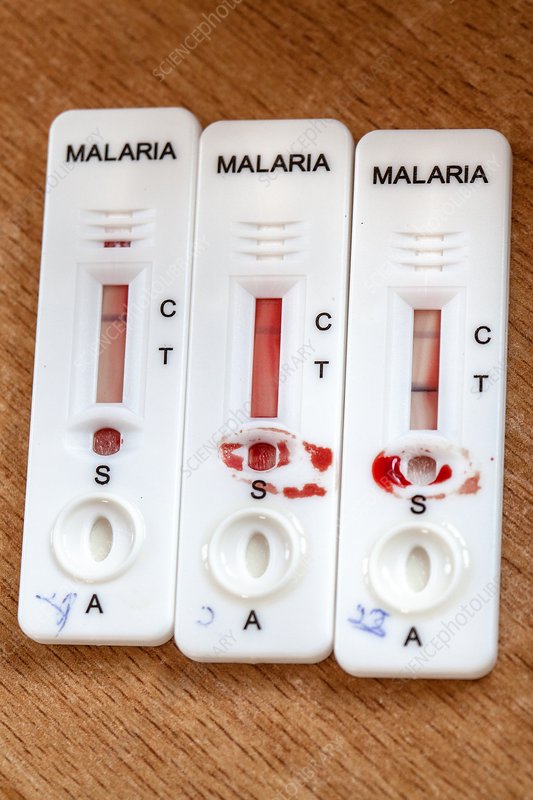
Routinely, I wake up from bed at 5am, pray, maintain my personal grooming, and prepare to work. One day, I could not do this routine activity because I was in dispose by the Almighty Malaria. I was weak, feverish and experiencing headaches…….I could not even eat. Normally, I do blind treatment, this means that I do not do malaria tests before starting treatment. But one time, when similar signs and symptoms started, I did some blind treatment. Guess what happened to me! This time it did not work after completing the antimalarial treatment. It was then I realized that I have to go and do Rapid Diagnostic Test (RDT) . The test came out negative. I have to run other tests like full blood count (FBC), which came out with a high white blood cell count. This means I have infections so I have to start with antibiotic therapy. My role and your role to zero malaria, always visit a nearby health facility for malaria test if you suspect malaria before you start treatment. Please, do not do the blind treatment.

RDTs. Photo credit : media.sciencephoto.com

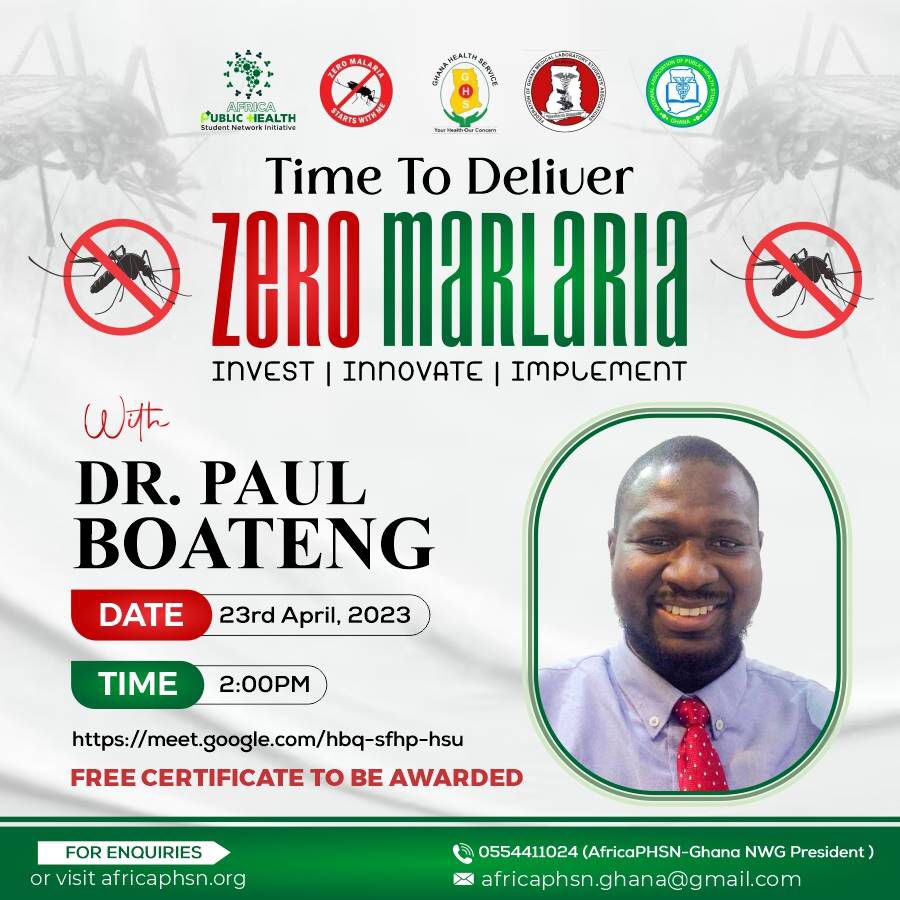
According to the World Malaria Report 2022,  by World Health Organisation (WHO), Almighty malaria kills more than 600000 people every year, and 247 million cases were recorded in 2021. This is why WHO has set every 25th of April as World Malaria Day to give attention to the need for continued investment and to maintain a political dedication to malaria prevention and control. This year’s theme is Time To Deliver Zero Malaria: Invest, Innovate, Implement.

Let’s briefly look at what this malaria is, the cause, and it’s trend, and signs and symptoms. Malaria is a serious disease caused by Plasmodium falciparum. This parasite is introduced into the bloodstream when one gets  bitten by infected anopheles mosquito. The anopheles mosquito is the only mosquito that is able to transmit malaria parasite (Plasmodium falciparum). Some of the anopheles mosquitoes include Female Anopheles Mosquito and Anopheles Stephensi. This Anopheles stephensi is a high competent vector of plasmodium falciparum, which is highly invasive, spreads quickly, and can adapt to a wide range of climate conditions. This type of mosquito is resistant to multiple insecticides. The Anopheles stephensi was first detected in 2011 in South Asia and Arabia Peninsula then Djibouti (2012), Ethiopia and Sudan (2016), Somalia (2019), Nigeria (2020), and Ghana (March 2023).

How one can get the malaria

When an infected female anopheles mosquito or anopheles stephensi mosquito bites you, it introduces the parasite (Plasmodium falciparum) into your bloodstream. After 10 days to 1 month, one starts experiencing shivering, chills, high fever, headache, nausea and vomiting, fatigue, and others. Sometimes, one may get a cycle of malaria ‘attack’; this starts with shivering and chills, followed by a high fever, sweating, and a return to normal temperature.

Studies indicated that some challenges affecting the zero malaria program include a lack of robust, predictable, and sustained International and domestic financing, lack of political will, weak supply chains leading to failure of availability of quality-assured products at the Service Delivery Point (SDP), weak systems for surveillance, and biological challenges like emergence or expansion of parasite resistance to antimalarial medicines, and mosquito resistance to insecticides, including new invading vector (Anopheles stephensi) leading to false-negative RDT results.

For us as a global village, we have an individual role, local institutional role, government role, policy maker role, and international organizational role to play to achieve zero malaria. These roles will be categorized under subheadings such as Invest, Innovate, and Implement.

Invest

Individual Role

Let’s invest our time and energy to do the following.

Remove all water collection points in and around your homes and community. Mostly, we think of only dirty stagnant water as a breeding ground for mosquitoes but the female anopheles mosquito also likes clean water. Therefore, we need to cover our water at home.

Cover your water in the container at home, do not expose it unless it will be a breeding ground for mosquitoes.

Dispose of refuge at the appropriate and authorized place.

Keep your environment clean

Sleep under treated insecticide mosquito nets….do not use them for gardens because malaria can be life-threatening and deadly.

Wear long sleeves and long dresses to cover the skin when you are outside in the evening from 5 pm onwards to prevent mosquito bites.

Undertake Indoor Residual Spraying (IRS) at your home.

Perform larviciding through the application of biological or chemical insecticides to stagnant water around your home.

Government/Institution/Policy Maker Role

Provide adequate financing to uphold advancement in measures to fight malaria. This can be demonstrated through a political commitment to resources and actions to ensure all those in need have access to the appropriate mix of interventions for malaria.

Keep ahead of malaria by building a culture of learning and adapting with the ability to effectively generate and use knowledge to point out gaps, health disparities, and existing inequalities, monitor progress, and others. This can be achieved by strengthening the health workforce and build their skills for malaria prevention and control.

Through research, we can obtain a better understanding of the parasites and vectors to develop efficacious diagnostics, medicines and vaccines.

Again, through research, we will be able to develop and implement plans for monitoring and managing insecticide resistance.

Government must also invest in malaria surveillance data, including areas that are malaria-free but at risk of re-establishment of malaria.

Innovate

Government/Institution/Policy Maker Role

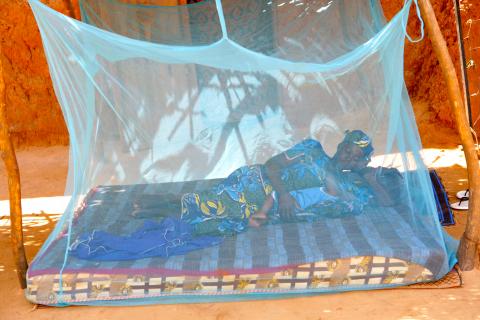
Through research, the following were invented: Rapid Diagnostic Tests (RDTs), Insecticide Treated Nets (ITNs), Artemisinin-based Combination Therapies (ACTs).

ITNs. Photo credit: UNICEF

Additionally, to deliver zero malaria, government, institutions and researchers can look at non-invasive diagnosis using saliva and urine for rapid screening outside the medical environment as an area of study.

Lastly, several malaria vaccines are at their various stages of development, some in phase 3 clinical trials. Next-generation medicines are also in the development pipeline such as “Triple ACTs”, which include a combination of artemisinin, and two partner drugs to decrease the risk of drug resistance. WHO also hinted that other medicines alternative to artemisinin and its derivatives, four of such medicines are now in their clinical trials.

Implement

Government/Institution/Policy Maker Role

National Malaria Programs should include insecticide-treated nets (ITNs), Indoor Residual Spraying (IRS), and Larviciding where chemical insecticides are introduced to water collection points to kill the larva of mosquitoes to prevent their breeds.

Countries should intensify the malaria vaccines program for children under five.

The chemoprevention programs such as Intermittent Preventive Treatment of Pregnant Women (IPTp), Intermittent Preventive Treatment of Infants (IPTi), Seasonal Malaria Chemoprevention (SMC) for children under six, and chemoprophylaxis for travelers should be implemented.

In conclusion, let’s drain all water collection points, cover our water collection container at home, and keep our environment clean. Also, collaboration among National Malaria Control Programmes, Researchers, funders, and others should be increased in terms of sharing knowledge and resources. We should prioritize research, institutions like Ghana Health Service should strengthen surveillance, and information exchange should be improved. Zero malaria starts with me and you so all hands on the desk.

Sources

World Health Organization. (2021). Global Technical Strategy for Malaria 2016-2030. World Health Organization. https://www.who.int

World Health Organization. (2022). World Malaria Report 2022. World Health Organization. https://www.who.int

World Health Organization. (2023). World Malaria Day 2023. World Health Organization. https://www.who.int

https://www.cdc.gov/malaria

Your Mouth Is A Mirror To Your Body.

Every smile matters…….

It’s never too early or too late to start looking after your mouth: your body will thank you.

FDI World Dental Federation

Every 20th March marks the #WorldOralHealthDay, an initiative of the FDI World Dental Federation to bring together the world of dentistry to achieve optimal oral health for all. The World Oral Health Day celebration helps to empower people with the knowledge, instruments, and assurance to ensure good oral health. 20th March was chosen because studies indicated that seniors must have a total of 20 natural teeth at the end of their life to be considered healthy. Also, children should have 20 baby teeth, then healthy adults must have a total of 32 teeth and 0 dental cavities which can be expressed as numerically as 3/20.

Oral diseases are major health problems in many countries due to their negative impacts on people’s lives like pain, discomfort, social isolation, loss of self-confidence, disfigurement, and even death. These negative impacts also affect the health systems as well as the economy of the country at large. For that matter, the World Oral Health Day celebration helps to unite the world to reduce the burden of these oral diseases.

Meanwhile, most of these oral diseases as a major concern in many countries are largely preventable and can be treated in their early stages but are expensive. Therefore, this article will enlighten you, briefly on some common oral diseases, their causes, and/or risk factors, and preventive measures to promote oral health. This leads us to this year’s theme for the World Oral Health Day celebration Be Proud of Your Mouth. This means that we must value and take care of our mouths. To do this, we must know about oral health.

World Health Organisation’s (WHO) Global Oral Health Status Report (2022) and Global Burden of Disease (2019) estimated that oral diseases affect nearly 3.5 billion people, with untreated dental caries (tooth decay) in permanent teeth most common oral disease. Other oral diseases include; gum disease (periodontal), total tooth loss (edentulism), oral cancer, and mouth and teeth (oro-dental) trauma.

Modifiable Factors that can put one at risk of getting oral diseases mentioned above include sugar consumption, tobacco use, alcohol use, poor oral hygiene, diabetes, immunocompromised persons, inadequate exposure to fluoride-containing toothpaste, and poor access to oral health care services.

Dental caries (tooth decay) is when plaque forms on the surface of the tooth. This is a result of a high intake of free sugars from food and inadequate exposure to fluoride as well as a lack of removal of plaque by tooth brushing. Germs then convert these free sugars into acids that destroy the tooth over time, leading to caries, pain and sometimes loss of tooth and infection.

Gum (periodontal) disease affects tissues surrounding the teeth, leading to gum bleeding, swollen gums (gingivitis), pain and sometimes bad breath as a result of poor oral hygiene, tobacco use, diabetes, obesity.

Total tooth loss (edentulism) can be a result of a lifelong history of oral disease or trauma or others.

Oral cancers can occur on the lips, mouth abd/or throat. This is more in men and older people. There is a growing percentage of oral cancers among young people as a result of the Human Papillomavirus (HPV) which may be from oral sex.

Trauma to mouth and teeth as a result of injury to teeth, mouth and oral cavity, brought about by lack of alignment of teeth, or factors like unsafe playgrounds, road traffic accidents, violence and others.

Noma is when the mouth and face become severely gangrene as a result of malnutrition, infectious diseases, poverty, weakened immune system, and others. This often starts as sore gums, with swollen gums and dead tissues, and spreads to the face. This oral disease usually affects children between 2-6years old.

We can prevent these oral diseases by practicing the following.

1. Eat a well-balanced diet, with low sugar intake but high fruit and vegetable intake. It mostly said if you want to live healthily, eat like a goat and that’s very accurate.

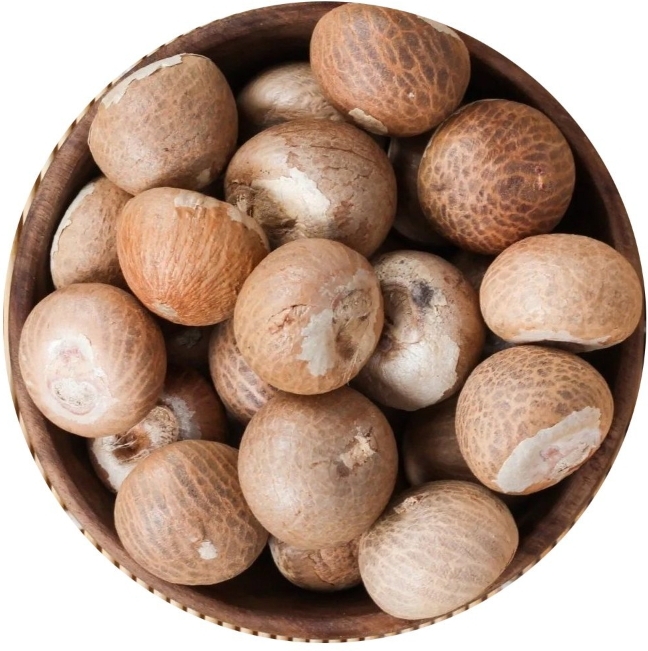
2. Avoid tobacco use, including areca nuts.

Areca nuts. Photo credit: IndiaMart.com

3. Reduce alcohol intake

4. Twice daily tooth brushing with fluoride-containing tooth paste.

5. Frequent mouth rinsing with water or salt water (warm saline).

6. Use of protective equipment during sporting activities, bicycle or motorcycle riding to reduce facial injuries.

7. Avoid using your teeth as openers for bottles.

8. Exercise your jaws by taking sugar cane, and chewing gum.

9. Avoid eating too hot or too cold food

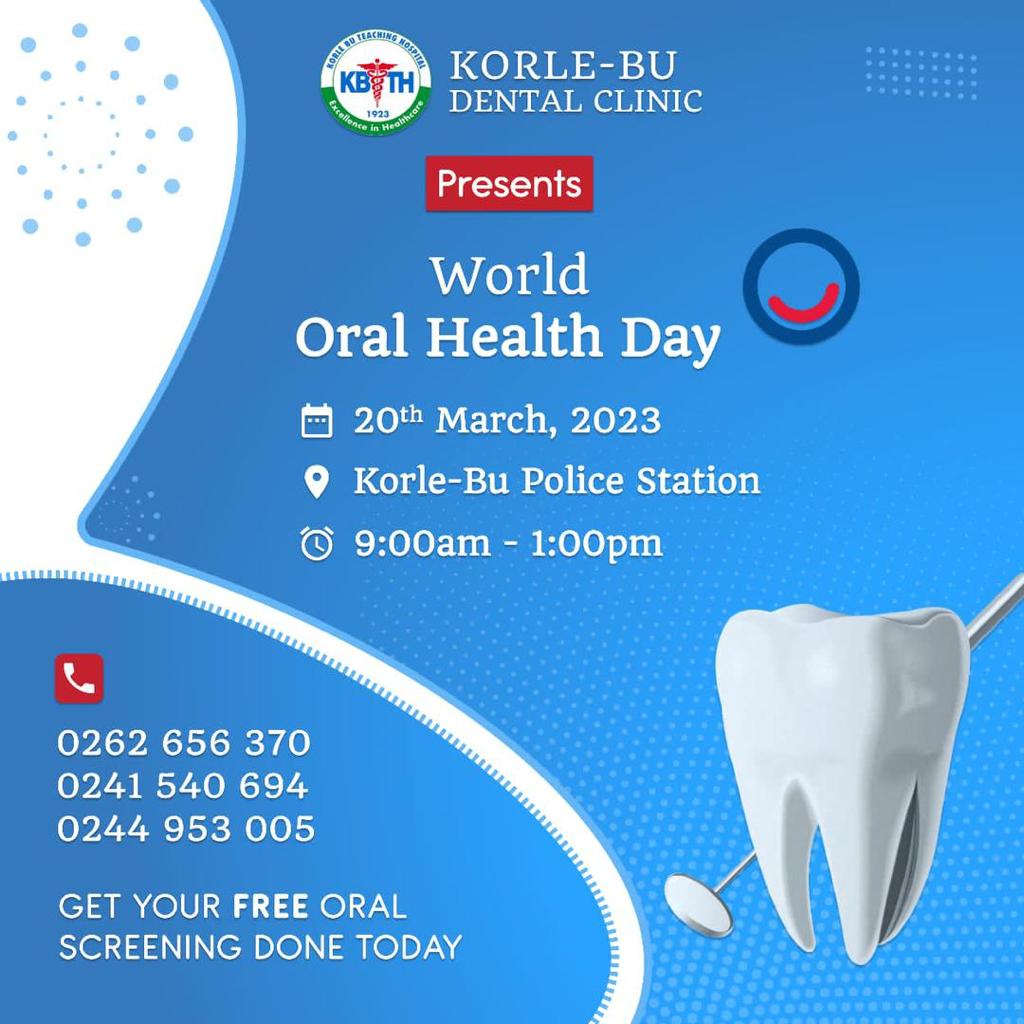
10. Visiting the dentist at least twice a year. I will therefore urge you all to take this advantage to be part of the oral health screening scheduled on Monday, 20th March at Korle-Bu Police station organized by Korle-Bu Dental clinic. Below is the poster for your attention.

Photo credit: Korle-Bu Teaching Hospital

Let’s have in mind that our mouth is a mirror reflection of our general well-being, therefore we must take good care of our mouth because every smile counts! #WorldOralHealthDay #MouthProud #WOHD23

Credits:

https://www.fdiworlddental.org

https://www.worldoralhealthday.org

https://www.who.int

HEARING TO SPEAK

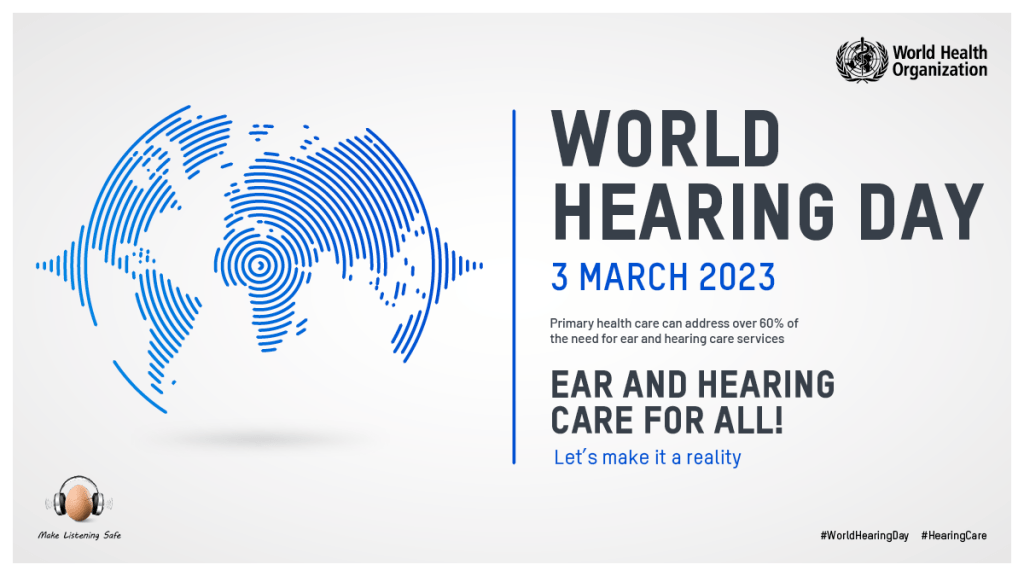
Photo credit: WHO

The concept of speaking is that you speak what you hear. This may reveal that if one cannot hear, one is unable to speak. It can also be argued that if one can speak but as a result of total hearing loss, he or she might not be able to speak because he or she cannot hear to speak. In science, it is called Post-lingual Hearing Loss.

With this background, one of the things we must pay the most attention to is Ear and Hearing care. This explains why World Health Organisation (WHO) has set every 3rd March as World Hearing Day. This day is chosen because the ear especially the outer ear is like three, hence this day and month take the shape of the ear (outer). The theme for this year’s celebration is Ear and Hearing care for all! Let’s make it a reality.

Studies cited revealed that 1.1 billion young people are at risk of permanent hearing loss. And 1 in 2 young people is at risk of hearing loss. Guess why? This is a result of unsafe listening by young people.

Kindly note that loud sounds damage the ears. Also, you may get a hearing loss called Noise-Induced Hearing Loss if you regularly work in a noisy place, listen to audio over head/earphones, visit places with amplified music like nightclubs, concerts, or fitness classes. Noised-Induced Hearing Loss is permanent. This may affect how you speak. For you not to lose your hearing and speaking, kindly use the below link to read my article on ear and hearing health.

For safe listening behaviors, kindly use this link to read more on ear and hearing care http://kwasiomaro.health.blog/2021/03/09/invisible-hidden-disability/

Warning Signs that you will need a specialist attention include the following:

1. Persistent ringing in the ears (tinnitus)

2. Difficulties hearing high-pitched sounds or following conversations

3. Persistent ear pains

Credit: https://www.who.int

EARTHQUAKE HEALTH SAFETY

Photo credit: cdc.gov

From 1998 to 2017, earthquakes have caused nearly 750,000 deaths globally more than other natural disasters as cited in World Health Organisation (WHO) report on earthquakes. This makes an earthquake a serious natural disaster, hence, it needs a conversation.

According to WHO, an earthquake is “a violent and abrupt shaking of the ground caused by movement between tectonic plates along a fault line in the earth’s crust”. In simple terms, an earthquake is a sudden rapid shaking of the earth which may be a result of the breaking and shifting of subterranean rock.

Initially, the shaking is mild then may strengthen and become extremely powerful within moments. Determining the extent of destruction and harm due to the earthquake relies on magnitude, intensity, and duration, the local geology, and the time of day the earthquake happens. As one of the earthquake health safety tips, one needs to be informed by getting to know countries or areas prone to earthquakes although every place is at risk. Cited in the world atlas.com include the greatly 15 countries prone to earthquakes such as Japan, Indonesia, China, Philippines, Iran, Turkey, Peru, USA, Italy, Mexico, Nepal, Pakistan, Bangladesh, Ecuador, and Guatemala. This is not to say earthquakes cannot happen in other nations apart from these earthquake-prone countries listed by World Atlas.

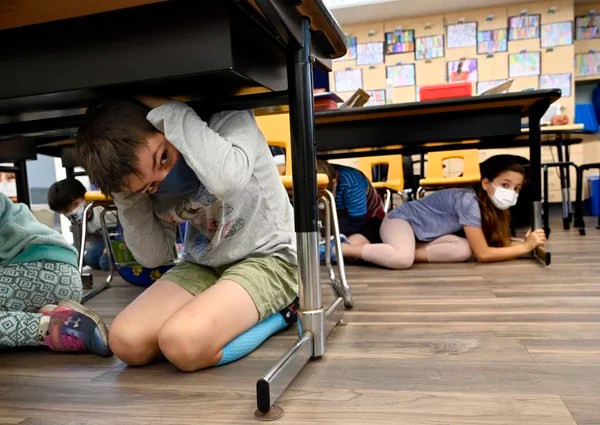
Also, getting informed means receiving alerts, and public safety information, and creating and reviewing your family emergency plan such as identifying safe places to take cover (hide under a sturdy piece of furniture or table and cover the head and neck with your arms), fastening all bookshelves, hutches, and freestanding shelving to walls, placing large, heavy objects as well as fragile objects on lower shelves, and figuring out where your electricity, gas, and water switches and valves are located and how to shut them off. Furthermore, it’s important to make a record of your property by taking photos or videos of your belongings and storing these records in a safe place.

Photo credit: savethechildren.org

In preparedness for earthquakes, we need to practice how to Drop, Cover and Hold on so that during the earthquake, you can use these skills to protect yourself.

DURING THE EARTHQUAKE

If you are inside…..

1. Stay inside and be calm. Do not get in a doorway…this does not protect you from falling or flying objects.

2. Drop, Cover and Hold on.

Drop down to the ground so the earthquake doesn’t knock you down.

Cover your head and neck with your arms to protect you from falling objects. Hide under a sturdy table or desk, and if there is no shelter nearby, get down near an interior wall or next to low-lying furniture that won’t fall on you, and cover your head and neck with your arms and hands. Stay away from glass, windows, outside doors, and other items that could fall.

Hold on to your shelter or your head and neck until the shaking stops. Be prepared to move with your shelter if the shaking shifts it around.

If you are in the kitchen…..quickly turn off the stove and take cover at the first sign of shaking.

If you’re in bed…..hold on and stay there, protect your head with a pillow. You’re less likely to be injured staying where you are.

If you’re in a high-rise building……drop, cover, and hold on. Move away from windows and outside walls. Stay in the building. Do not use the elevators. The electricity may go out. If you’re trapped, stay calm. Try to get someone’s attention by tapping on hard surfaces to increase your chances of being rescued.

If you’re in a stadium or theatre….stay in your seat and protect your head and neck with your arms. Do not leave until the shaking is over.

If you’re near the shore…..drop, cover, and hold on until the shaking stops. If you cannot drop to the ground, endeavor to sit or remain seated so you’re not knocked down.

If you’re in a vehicle…..pull to the side of the road and stay inside until the earthquake is over. Do not stop under overpasses or power lines. Turn on the radio for emergency broadcast information.

Photo credit: cdc.gov

AFTER THE EARTHQUAKE

Continue to monitor media for emergency information. Follow instructions from public safety officials.

If you’re trapped, try calling or texting, or tapping hard surfaces for help. You can also tap on a pipe or use a whistle if close to you to help rescuers locate you.

Stay out of damaged buildings and areas until authorities deem there safe. Check your home for damage such as a gas leak then go outdoors immediately and do not turn on electrical switches or appliances on or off.

If your home or property is damaged, take photos or videos to document your damage and contact your insurance company.

If phone lines are down, use social media or text to let others know you are safe. Be a good neighbor, especially the elderly, those who live alone, and those with medical conditions.

Credits:

https://www.mass.gov/info-details/earthquake

https://www.who.int/health-topics/earthquakes

https://www.cdc.gov/disasters/earthquakes

https://www.worldatlas.com/articles/the-world-s-10-most-earthquake-prone-countries.html

https://www.businessinsider.in/the-15-most-earthquake-prone-countries-in-the-world-according-to-science/articleshow/67219071.cms

If IT’S NOT ON, IT’S NOT IN.

PhotoCredit: cdc.gov

World Health Organisation (WHO) reported that 38.4 million people living with HIV at the end of 2021. Out of this number, 25.6 million people with HIV are in Africa, this means two third of the population living with HIV are in Africa. It was also noted from WHO report that HIV/AIDS has claimed 40.1 million lives so far. This justified why HIV/AIDS is still a major global public health issue. In Ghana, since HIV was identified in 1986, Ghana AIDS Commission reported 346, 120 people living with HIV, with most being females representing 66%. Before we continue the conversation, let us have a brief history of HIV/AIDS in the subsequent paragraph.

Evidence revealed that HIV originated from Chimpanzees in Central Africa in the late 1800s. While in Chimpanzees, the virus was called Simian Immunodeficiency Virus but in humans, the virus is known as Human Immunodeficiency Virus (HIV). It was reported that the virus was passed to humans when humans hunted this Chimpanzee for meat and came in contact with their infected blood. Studies indicated that AIDS was first seen in homosexual men in the United States in 1981, hence scientists labeled this disease as gay-related immune deficiency, gay cancer, or community-acquired immune dysfunction in 1982. But HIV as the causative agent had been identified in 1983, and by the mid-1980s, this disease has largely spread unnoticed throughout the world. Findings suggest that 47% of all new HIV infections are among gay men, sex workers, people who inject drugs, transgender people, and prisoners.

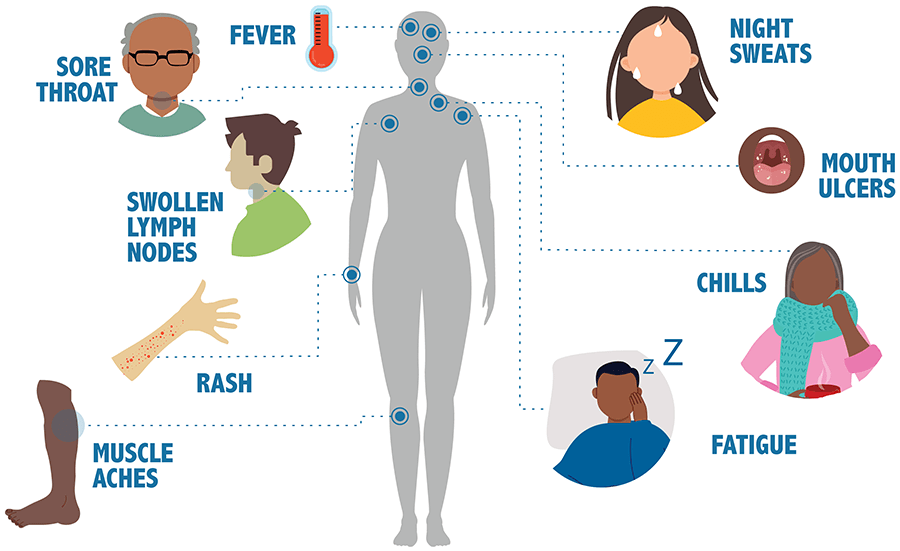
One may experience two or more of the following if infected with HIV

PhotoCredit: cdc.gov

One of the best ways to prevent HIV is abstinence but if you cannot then it must be on when in. Check the expiry date when you buy one and keep it a room temperature. There are two main types of condoms. These are condoms used externally or male condoms and condoms used internally or female condoms. Always ensure it is on before in, either the man puts it on or the woman puts it on…….both cannot put the condoms on during sexual intercourse. Latex condoms provide the best protection against HIV, however, those with latex allergies can opt for plastic or synthetic rubber condoms. The only disadvantage of plastic or synthetic rubber condoms is that it breaks more often during sexual intercourse. Below is how to put it on before in because if it’s not on, it’s not in to protect you from HIV and other sexually transmitted diseases like Gonnorhoea as well as unwanted pregnancy.

How to put on the male condom

1. Carefully open and remove the condom from the wrapper.

2. Place the condom on the tip of the hard penis.

3. If uncircumcised, pull back the foreskin first.

4. Pinch the air out of the tip of the condom.

5. While holding the tip, unroll the condom down the penis.

6. After sex but before pulling out, hold the bottom of the condom and carefully pull out the penis.

7. Carefully remove the condom and throw it in the trash.

8. If you feel the condom break at any time during sex, stop immediately, pull out the penis, take off the broken condom, and put on a new condom.

9. Use water-based or silicone-based lubricants during sex to help keep the condom from tearing.

10. Don’t use oil-based lubricants because they can weaken the condom and cause it to break.

How to put on a female condom.

1. Carefully open and remove the condom from the package.

2. While holding the condom at the closed end, squeeze the sides of the inner ring together and insert them into the vagina or anus.

3. Use your finger to push the inner ring up until it rests against the cervix in the vagina or as far into the anus as it can go. Be sure the condom is not twisted.

4. The thin, outer ring should remain outside the vagina or anus.

5. Guide your partner’s penis into the opening of the condom.

6. After sex, gently twist the outer ring and pull the condom out.

7. Carefully throw the condom in the trash after using it one time.

8. Stop intercourse if you feel the penis slip between the condom and the walls of the vagina/anus or if the outer ring is pushed into the vagina/anus.

9. Use lubricant during sex to help keep the condom from slipping or tearing. It is safe to use any lubricant with an internal condom.

Always do remember that if it’s not on, it’s not in.

My valued and cherish reader, I was adding to my scientific knowledge. This explains why a year now, you are seeing my write-up again. Kindly watch out for more fascinating write-ups and health jokes videos. Thanks for being part of the success story always. I love you all.

Credits:

https://www.cdc.gov/hiv/basics/hiv-prevention/condoms

https://www.undp.org/speech/world-aids-day

https://www.ghanaaids.gov.gh

https://www.who.int/newsroom/fact