If IT’S NOT ON, IT’S NOT IN.

PhotoCredit: cdc.gov

World Health Organisation (WHO) reported that 38.4 million people living with HIV at the end of 2021. Out of this number, 25.6 million people with HIV are in Africa, this means two third of the population living with HIV are in Africa. It was also noted from WHO report that HIV/AIDS has claimed 40.1 million lives so far. This justified why HIV/AIDS is still a major global public health issue. In Ghana, since HIV was identified in 1986, Ghana AIDS Commission reported 346, 120 people living with HIV, with most being females representing 66%. Before we continue the conversation, let us have a brief history of HIV/AIDS in the subsequent paragraph.

Evidence revealed that HIV originated from Chimpanzees in Central Africa in the late 1800s. While in Chimpanzees, the virus was called Simian Immunodeficiency Virus but in humans, the virus is known as Human Immunodeficiency Virus (HIV). It was reported that the virus was passed to humans when humans hunted this Chimpanzee for meat and came in contact with their infected blood. Studies indicated that AIDS was first seen in homosexual men in the United States in 1981, hence scientists labeled this disease as gay-related immune deficiency, gay cancer, or community-acquired immune dysfunction in 1982. But HIV as the causative agent had been identified in 1983, and by the mid-1980s, this disease has largely spread unnoticed throughout the world. Findings suggest that 47% of all new HIV infections are among gay men, sex workers, people who inject drugs, transgender people, and prisoners.

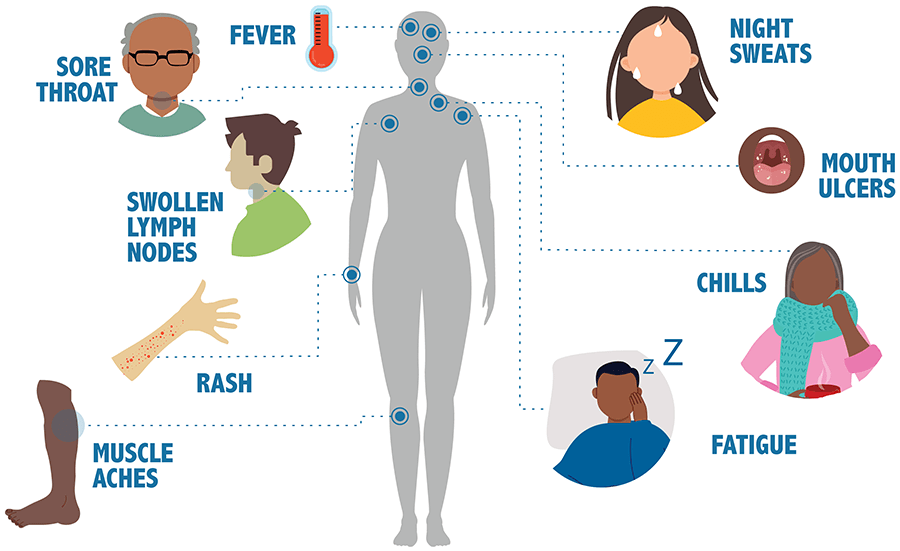
One may experience two or more of the following if infected with HIV
PhotoCredit: cdc.gov

One of the best ways to prevent HIV is abstinence but if you cannot then it must be on when in. Check the expiry date when you buy one and keep it a room temperature. There are two main types of condoms. These are condoms used externally or male condoms and condoms used internally or female condoms. Always ensure it is on before in, either the man puts it on or the woman puts it on…….both cannot put the condoms on during sexual intercourse. Latex condoms provide the best protection against HIV, however, those with latex allergies can opt for plastic or synthetic rubber condoms. The only disadvantage of plastic or synthetic rubber condoms is that it breaks more often during sexual intercourse. Below is how to put it on before in because if it’s not on, it’s not in to protect you from HIV and other sexually transmitted diseases like Gonnorhoea as well as unwanted pregnancy.

How to put on the male condom

1. Carefully open and remove the condom from the wrapper.

2. Place the condom on the tip of the hard penis.

3. If uncircumcised, pull back the foreskin first.

4. Pinch the air out of the tip of the condom.

5. While holding the tip, unroll the condom down the penis.

6. After sex but before pulling out, hold the bottom of the condom and carefully pull out the penis.

7. Carefully remove the condom and throw it in the trash.

8. If you feel the condom break at any time during sex, stop immediately, pull out the penis, take off the broken condom, and put on a new condom.

9. Use water-based or silicone-based lubricants during sex to help keep the condom from tearing.

10. Don’t use oil-based lubricants because they can weaken the condom and cause it to break.

How to put on a female condom.

1. Carefully open and remove the condom from the package.

2. While holding the condom at the closed end, squeeze the sides of the inner ring together and insert them into the vagina or anus.

3. Use your finger to push the inner ring up until it rests against the cervix in the vagina or as far into the anus as it can go. Be sure the condom is not twisted.

4. The thin, outer ring should remain outside the vagina or anus.

5. Guide your partner’s penis into the opening of the condom.

6. After sex, gently twist the outer ring and pull the condom out.

7. Carefully throw the condom in the trash after using it one time.

8. Stop intercourse if you feel the penis slip between the condom and the walls of the vagina/anus or if the outer ring is pushed into the vagina/anus.

9. Use lubricant during sex to help keep the condom from slipping or tearing. It is safe to use any lubricant with an internal condom.

Always do remember that if it’s not on, it’s not in.

My valued and cherish reader, I was adding to my scientific knowledge. This explains why a year now, you are seeing my write-up again. Kindly watch out for more fascinating write-ups and health jokes videos. Thanks for being part of the success story always. I love you all.

Credits:

https://www.cdc.gov/hiv/basics/hiv-prevention/condoms
https://www.undp.org/speech/world-aids-day

https://www.ghanaaids.gov.gh

https://www.who.int/newsroom/fact

OmicronMas or VaccinationMas!

As the year comes to an end, everyone especially Christians are expectant of Christmas. Christmas is an annual festival celebrated to remember the birth of Jesus Christ. “Christmas” comes from the Mass of Christ known as “Christ-Mass”; a service only allowed to take place after sunset and before the sunrise the next day. This has been shortened to Christmas. This celebration helps to remember that on 25th March, Mary was told she would have a special baby, Jesus. And Mary carried Jesus to term ( 9months), bringing Jesus Christ to this earth on the 25th of December. This day has been denoted as giving gift, worshipping Him and rejoicing in the promise of Heaven.

COVID-19 with its emergence from China in December, 2019 has tormented the world more than two years now. When vaccines were developed by the sleepless nights of our great scientists in less than a year which was unusual, looking at the number of years it takes to develop vaccines, the whole world thought we are out of this situation but hey, it’s a different story! So many variants have been discovered like Delta and now the almighty, Omicron.

Please, have you thought of this why we mostly experience wildfire of this virus in the Christmas festivity? Does it mean this virus does not want us to celebrate the birth of Christ as well show joy and love to friends and neighbors? Omicron as one of the serious variants of COVID-19 was first detected in South Africa, and reported to WHO on 24th November, 2021. However, this Omicron has gone wild in this Christmas month ( December) which has taken over the world now, causing a surge in new cases in 57 countries according to WHO.

It appears the Omicron variant is more transmissible: that is it can spread fast and easily from person to person even if vaccinated, and with severe symptoms but there is no known data to justify this. COVID-19 with different variants is telling the world something but it seems we have paid deaf ears to that. This disease would like us to accept that it has come to stay, and that we must be used to the ‘new normal’ like wearing our face mask, frequently washing hands with soap under running water, taking vitamin C or oranges, no hand shake and others but we appear not to understand that. And we want to return to our old life where we don’t wear face mask, we shake hands, we do not frequently wash our hands and others.

Let’s use this celebration of the birth of Christ to share gift and show love to our country and the world by making this month VaccinationMas and not OmicronMas. This means that let us do well to take our jab to give us some protection although it has been established by WHO that the protection is between 84.3% to 88.7% which is better than none. We can argument this protection by continuing wearing our face mask, frequently hand washing, taking more fruits like orange or vitamin C, social distancing or avoiding overcrowded places and others. Let us not get tired, we need more efforts to fight this biological enemy. All these shall pass. Let’s make this Christmas, a VaccinationMas rather than OmicronMas. Thank you.

Credits;

1. https://www.whychristmas.com

2. https://www.gospelherald.com

3.https://www.Bmj.com

4. https://www.who.int

5. https://www.cdc.gov

LIFE ENDS WHEN THE ENGINE BREAKS DOWN.

Credit: PR unit, KBTH.

The size of my engine is equal to the size of my fist. This engine is the most important muscles in the body. This is because it pumps blood and oxygen to all organs. It also receives some of the blood it pumps for the second to second activities within the body. The day this work stops is the end of my life, your life, our life.

Although we are not immortal being so definitely we’ll all die one day. This has informed some critical thinkers to conclude that life is short so live the life the way you want because you matter what, you will die. That’s factual but inaccurate; you may live longer if you take good care of yourself.

The heart is the engine of the human body which works like the engine of a car or motor. The heart beats around 100, 000 times and pumps up to 7,500 liters of blood everyday. The heart is the strongest muscle in your body but can break down from habitual risk factors like smoking, alcoholism, eating unhealthy diet or living under stress.

Credit; Vecteezy.

When you live healthy, the heart is able to have continuous supply of oxygen to work effectively (that’s making the muscle fibers to contract resulting in the motion of the body) like the car; continue supply of fuels which lead to combustion of fuel. This causes the pistons of the engine to move which causes the motion of the vehicle. This means that smoking, taking a lot of alcohol, salt ( Sodium), fats, and living under stress can weaken the heart and break it down. Like the car engine, when you overuse it, it breaks down.

Credit; The Health Inspirer.

The public health school at University of Harvard acronymised five warning signs of early heart failure as FACES.

Fatigue; that’s one easily becomes tired.

Activity limitation; unable to do their normal activities because they become easily tired and short of breath.

Congestion; fluids build up in the lungs which cause coughing, wheezing and breathing difficulty.

Edema/ankle swelling; This occurs when the heart does not have adequate pumping power to force the used blood back from the lower extremities. This results in fluid accumulation in the ankles, legs, thighs and abdomen, hence there’s rapid weight gain.

Shortness of breath; The fluids in the lungs make it difficult for the carbon dioxide in the used blood to be exchanged for fresh oxygen. This usually happens when one is lying down due to force of gravity that allows fluids from the below the lungs to travel up.

We can keep our heart healthy by eating nutritious diet like more fruits and vegetables, less salt (sodium), less fats, daily exercise like brisk walking, avoid smoking and alcohol, take adequate rest and sleep.

In addition to this, if you’re hypertensive, kindly take your anti hypertensive drugs and do the above, if you’re diabetic too, do the same.

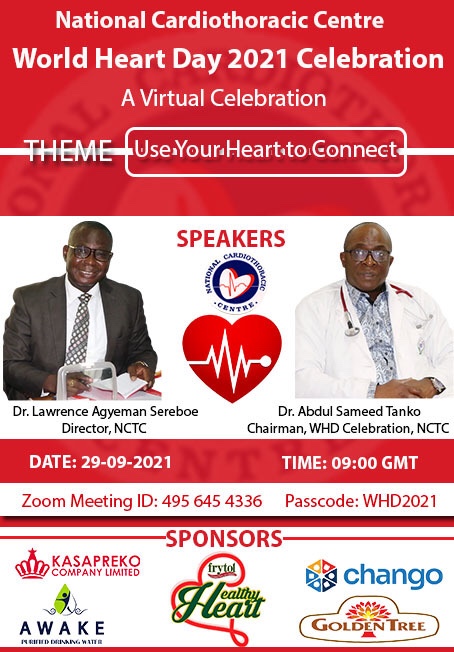
As we celebrate World Heart Day every 29th September, let use our heart to connect to be aware of heart health to stay healthy and live long.

Let remind ourselves that life ends the day our engine breaks down to guide us in our daily activities. How we take care of our phones and cars, let do same to our engine of the body. Bye!

Credits;

1. https://world-heart-federation.org

2. https://www.health.harvard.edu

3. https://www.mayoclinic.com

4. https://www.topendsports.com

The Seven-Letter Word That Kills.

This seven-letter word is the fourth leading cause of death among young people.

Every year, more than 700,000 people die due to this seven-letter word.

The seven-letter word usually occurs in low-middle income countries.

Window shopping of documents on sight revealed that the seven-letter word affects up to 135people to some degree every person lost.

The Ghana Psychological Association(GPA) further established from the Ghana Health Service documents what mess the seven-letter word has caused: About 417 people attempted this seven-letter word between January and June, 2021. Can you guess this seven-letter word?

It was also noted that averagely, 26people attempted this seven-letter word in each region of Ghana, with more attempted cases at the Southern half of Ghana compared to the Northern part of Ghana.

Any clue to this seven-letter word because it has caused a mess in the Ashanti and Eastern regions of Ghana than the other regions?

SUICIDE is the seven-letter word!

Due to the alarming rate, the International Association for Suicide Prevention (IASP) initiated and teamed up with the World Health Organisation (WHO) on September 10, 2003 to set a day to create awareness and prevention of suicide, hence, September 10 dedicated every year as World Suicide Prevention Day.

This year’s theme is Creating Hope Through Action. And the goal is to shine a light on the issues in hopes of reaching people who are struggling before it is too late.

Most people think about this seven-letter word when depressed, in alcohol use disorder state, in a state of inability to deal with life stresses like financial problems, relationships break-up, chronic pain and illness, experiencing conflict, abuse, violence, disaster, a sense of isolation and discrimination.

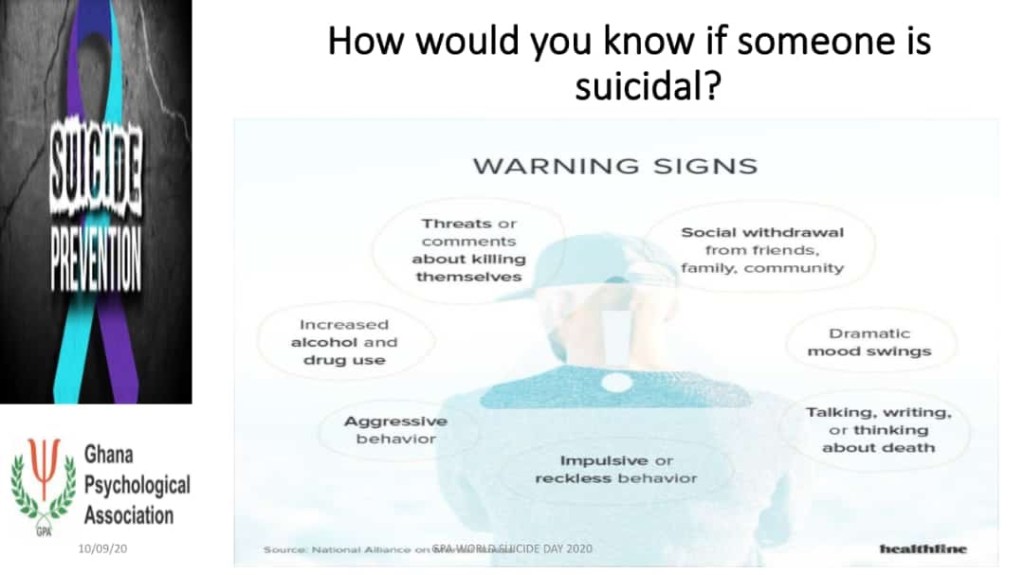
One key thing we must note is when one feels hopelessness and thinks the world has come to an end, it is a very important warning sign of this seven-letter word ( SUICIDE). In addition to this, one may isolate or withdraw from people, talking or writing or thinking about death like one may say he or she is traveling to a place we will not see him or her again, look at me for the last time, I will miss you and others. All these are warning signs; kindly assist the person as soon as possible.

Suicides are preventable but how we deal about it is the problem. Stigmatizing and tabooing suicide lead to lack of awareness which is a major public problem. Some societies see suicide as a taboo to discuss openly. However, the Bible says for lack of knowledge, my people perish! It is arguable important that we discuss to be aware of psychological and economic impact of suicide on our society and how to prevent that. It also helps others to know when, where and how to seek for help in a state of hopelessness.

The most common method of SUICIDE include the use of pesticides, firearms, certain medications and others. It is a duty on us as responsible society to limit access to these things.

Sometimes, media way of reporting SUICIDE may be a contributory factor to alarming rate. The media is to INFORM, EDUCATE and ENTERTAIN, hence after informing the public about the suicide case, educate the public on the preventive measures. The media should be responsible in reporting suicide cases.

Parents and guardians should foster socio-emotional life skills in adolescents. Additionally, the at-risk community especially the youth should be felt connected , and reminded that they’re not alone in their struggles.

The Ghana Psychological Association (GPA) as well as the Mental Health Authority and other Mental Health advocates seem to suggest that criminalization of SUICIDE ATTEMPTS is one of the main purpose of loosing the fight on prevention of suicide. They are of the view that people who are in mental state disorder, who instead of to be given medical attention after attempting suicide is treated as a criminal by the state. This has even made the GPA to describe this situation as wicked law. It is therefore as a matter of fact to decriminalize suicide to help the hopelessness by giving them medical attention rather than the criminal treatment. Lastly, those affected by SUICIDAL behaviors should be identified early, assessed , managed and followed up on them.

In conclusion, suicides are preventable, and it is our collaborative effort to revive the optimism in the pessimistic person. Together we can!

Credits;

https://www.who.int

Ghana Psychological Association’s Press Release on World Suicide Prevention Day, dated September, 10, 2021.

WHICH VIRUS AGAIN APART FROM COVID-19!

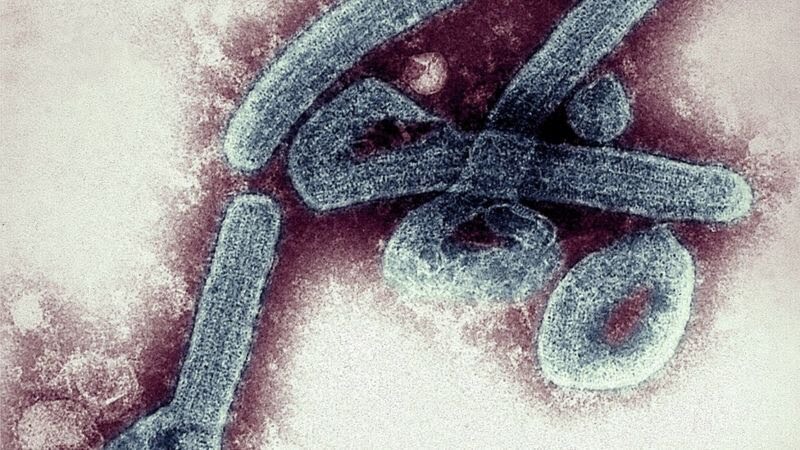
The Marburg Virus.

Introduction.

As we’re battling the COVID-19 Pandemic for almost 20months now, here comes another re-emerging known virus called Marburg Virus. This virus causes a disease called Marburg Virus Disease (MVD); others called it Marburg Haemorrhagic Fever ( Marburg HF). This disease is highly infectious which means it can spread easily through direct or indirect with infected bodily fluids like urine, saliva, sweat, faeces, vomit, semen, and breast milk. The rate at which people die from this disease ( case fatality rate) varies from 24% to 88% in the past outbreaks. This discussion has becoming necessary due to its re-emergence in Guinea on 2nd August, 2021, and this is considered as the first case of the Ebola-like virus in West Africa.

Brief Background.

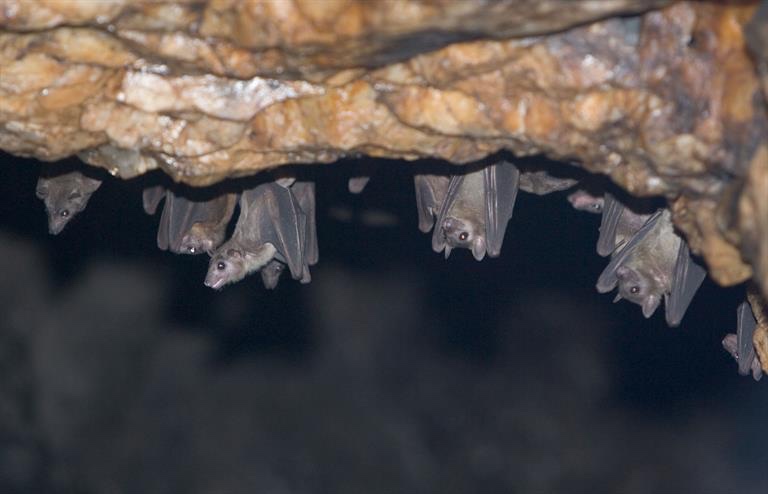
African fruit bats (Rousettus aegyptiacus).

The Marburg Virus Disease was discovered in 1967 in the laboratories of Marburg and Frankfurt, all in Germany, hence the name Marburg Virus. This outbreak came about during research work at the laboratories of the above mentioned cities in Germany using African Green Monkeys ( Cercopithecus aethiops) imported from Uganda. Subsequently, the outbreaks gutted Belgrade in Serbia, Angola, Kenya, DR Congo, South Africa and Uganda. In 2008, it was discovered that the disease was associated with African Fruit bats. This was revealed when two cases were confirmed in travellers who visited a cave in Uganda inhabited by the African fruit bats colonies. The Marburg and Ebola viruses are from same family called filovirus. This means that infected person can exhibit similar signs and symptoms of Ebola virus disease until the test confirmed it.

What’s Marburg Virus Disease?

It is a highly viral infectious disease which can be fatal if not detected early , and it’s caused by Marburg Virus.

Natural Host.

The disease is believed to be reserved in African fruit bats ( Rousettus aegyptiacus). It can be deduced that any contact with this African fruit bats can risk you of getting the Marburg Virus Disease.

How does it spread?

It can spread from African fruit bats to human. An infected human can also spread it to follow human through direct contact with bodily fluids like urine, saliva, semen, breast milk, sweat, faeces, vomit. This means that having unsafe sexual practices with infected person can expose you to the disease, infected breastfeeding mothers can give the disease to their child, infected pregnant mothers can transfer the disease to the unborn child. Indirectly, one can get the disease through contact with contaminated surfaces with the bodily fluids.

Incubation Period.

This means the period one is exposed to the Marburg Virus Disease and the start of the disease (where one shows the signs and symptoms). 2-21days before one can exhibit the signs and symptoms of Marburg Virus Disease.

What to see and experienced by patient (Signs and Symptoms).

1. High fever; 38 degree Celsius and above.

2. Severe headaches

4. General body weakness

5. Ghost-like appearance

6. In severe cases; there is bleeding rashes ( haemorrhagic/purpuric rashes), blood in vomitus ( haematesis), blood in sputum (haemoptysis), blood in stool (Malena).

Treatment.

There are no known treatments or vaccines. Treatment is based on symptoms and supportive care like rehydration which help to survive the patient if detected and managed early.

How to define a case of Marburg Virus Disease (Case definition).

A person with sudden onset of fever, General body weakness, severe headaches with no response to anti malaria or antibiotics who may have unexplained bleeding.

Prevention (What to do)

1. Avoid contact with body fluids like urine, saliva, sweat, faeces, vomit, semen and breast milk.

2. Practice hand hygiene like washing hands with soap under running water or rub hands with 60% alcohol based sanitizers.

3. Do not handle items that may have come in contact with an infected persons body fluids.

4. Avoid contact with dead bodies including participating in funeral or burial rituals of suspected or confirmed Marburg Virus Disease cases.

5 Seek medical care immediately if one develops fever, and others like severe headaches, feeling very tired ( fatigue), muscle pain, vomiting, diarrhoea, stomach pain, or unexplained bleeding or bruising.

6. Abstain from all sexual practices if possible. one can practice safer sexual practices like using condom.

7. Public or private transport should not be used to transport suspected Marburg Virus Disease case but contact district, municipal or regional health directorate of Ghana Health Service for support.

Kindly tell a friend to tell a friend by sharing this message to make the world a better for both of us. Thanks.

Credits;

1. https://www.who.int

2. https://www.cdc.gov

3. Ghana Health Service (2021): Marburg Virus Disease Alert following confirmed case in Guinea. Press Release dated 11/08/21 with reference number; GHS/DG…11.8.21

HEPATITIS CAN’T WAIT.

PhotoCredit; KBTH

Hepatitis! Hepatitis! Hepatitis!

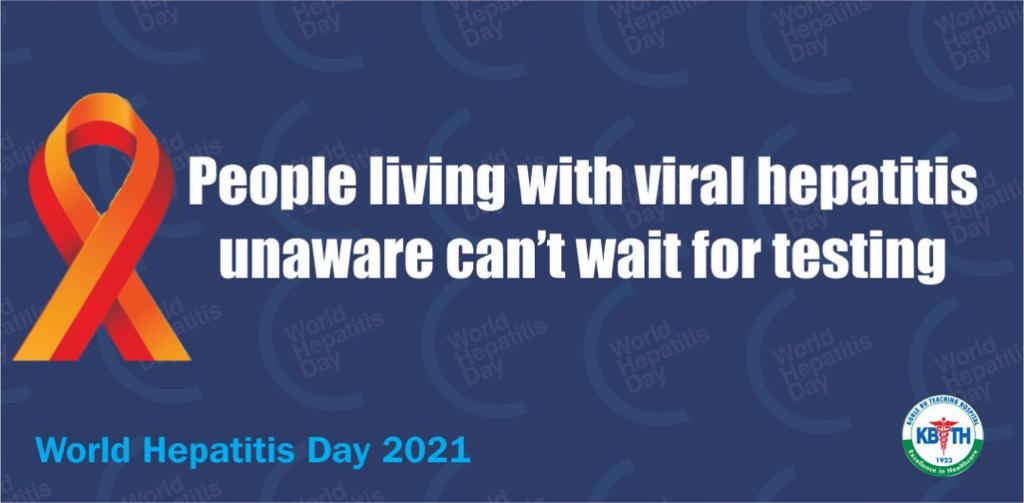
Hepatitis can’t wait while in every 30 seconds, a person dies from Viral Hepatitis.

We can’t wait to know that viral hepatitis is an inflammation of the liver that causes severe liver disease and a cancer called hepatocellular cancer.

PhotoCredit: KBTH

Testing can’t wait for people living with hepatitis but unaware.

Life saving treatments can’t wait for people living with hepatitis.

Preventive measures like vaccinations and healthy lifestyle can’t wait to reduce hepatitis cases.

Expectant mothers can never wait for hepatitis screening and treatment

Newborns can’t wait for birth dose vaccination

People affected by hepatitis can’t wait to end stigmatisation as well as discrimination.

Organisations and communities can’t wait for greater investment in hepatitis prevention.

Healthcare providers can’t wait for curable and preventable hepatitis.

Decision makers can’t wait to act now to make hepatitis elimination a reality through political will and funding.

PhotoCredit: WHO

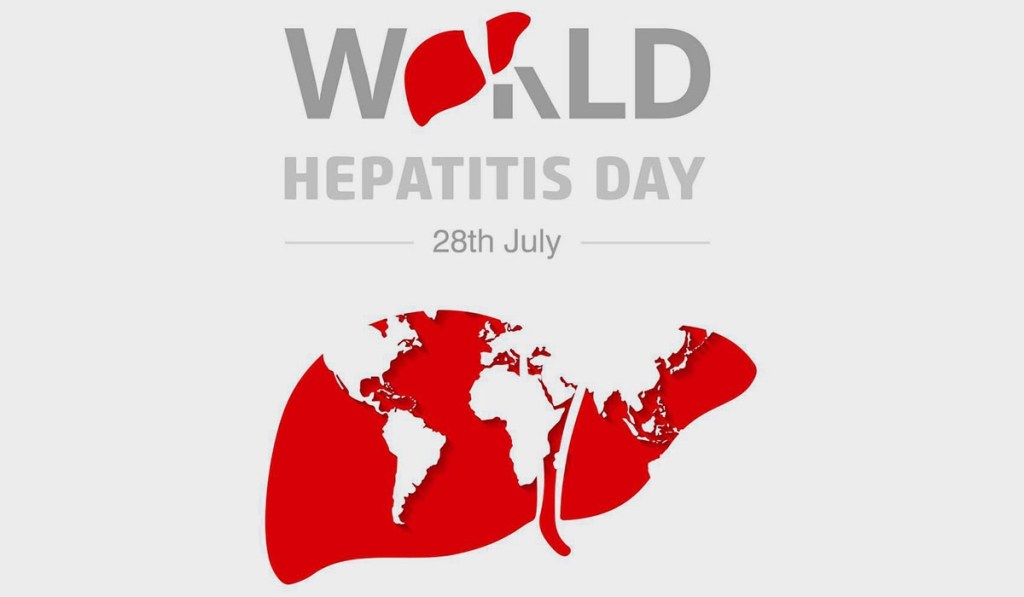
This then calls for collective action now! we need to come together to fight this biological enemy. This explains why every 28th July is honoured as World Hepatitis Day. This can help raise awareness of viral hepatitis and discuss on the issues and way forward.

Kindly join this webinar for sensitisation on Hepatitis.

Credits;

World Hepatitis Day

https://www.who.int

Headaches Behind The Ear.

Here he comes, Hon. Headache. Always making me uncomfortable, restless day and sleepless night. He keeps producing pain at a specific area of my head but this time, Hon. Headache came entirely behind my ears which is reasonably uncommon. I know stress, allergies, high blood pressure, inadequate intake of water, constipation, inadequate sleep, skipping meals, caffeine-withdrawal, menstruation, infections and others can bring Hon. Headache to my wonderful abode. However, Hon. Headache behind my ears keeps me thinking about the cause.

Did you say Occipital Neuralgia is the most common cause? As curious as I am, I flipped my medical dictionary and saw that when the nerves that run from the top of the spinal cord up through the scalp are injured or inflamed, then Hon. Headache comes behind my ears. Previously, I mistakenly thought the sharp pain behind my ears was migraine but otherwise. Sometimes, I experienced piercing and throbbing pain, and a feeling of receiving an electric shock in my upper neck, back of my head and behind the ears. Again, I quickly opened my books which revealed to me that this is as a result of pressure or irritation to the nerves at the back of my head (occiput) but the cause of this occipital neuralgia was unknown.

Occipital neuralgia.

The books also revealed to me that when my bone behind my ears (mastoid bone) becomes infected ( mastoiditis), then it may be the cause of my headaches behind my ears. It was also noted that apart from headaches behind my ears, mastoiditis can cause fever, discharge from my affected ear, tiredness and hearing loss in my affected ear.

Hon. Headache behind my ears and painful jaw can be as a result of infection of my ball and socket joints of my jaw which the science people call Temporomandibular Joints (TMJ). What normally can cause TMJ infections include stress, inflammation of joints ( arthritis), injury to the jaw, jaw alignment and teeth grinding and others.

Usually, when Hon. Headache behind ears visits you, its pain may occur in one or both sides of the head ( behind the ears). Also, you may experience jaw tightness, fear of light ( photophobia), pain behind the eyes, and pain with neck movement.

What I do when Hon. Headaches behind ears visit me are; I rest in a quiet room or environment, massage my neck muscles, apply deep heat to the back of my neck, stop teeth grinding and reduce stress. I also realised that when I have dental problems like bad breath, gum tenderness and others can cause referred pain behind my ears hence, oral hygiene is very important to me like mouth rinsing or wash after eating, brushing the teeth first thing in the morning and last thing in the evening and others. Good bye Hon. Headache behind my ears.

Credits;

https://www.healthline.com

https://www.medicalnewstoday.com

GLEEKING AS A FUN OR EMBARRASSMENT?

Photo credit: Brightside.

Ama Asantewaa was wondering why people are always spraying herself with saliva? This made her curious to discuss this with Kwasi Omaro. I hope you also feel same to know about this gleeking! Below was the conversation that took place between Ama Asantewaa and Kwasi Omaro.

Ama Asantewaa: Kwasi, I have heard gleeking; what’s it?

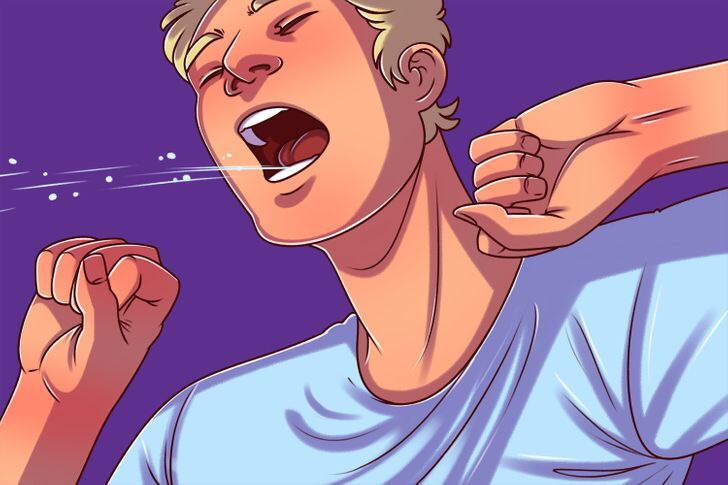
Kwasi Omaro; Ama, spraying saliva from under your tongue especially when talking, eating or yawning.

Ama Asantewaa: How’s the spraying of saliva come about? Is gleeking a medical term?

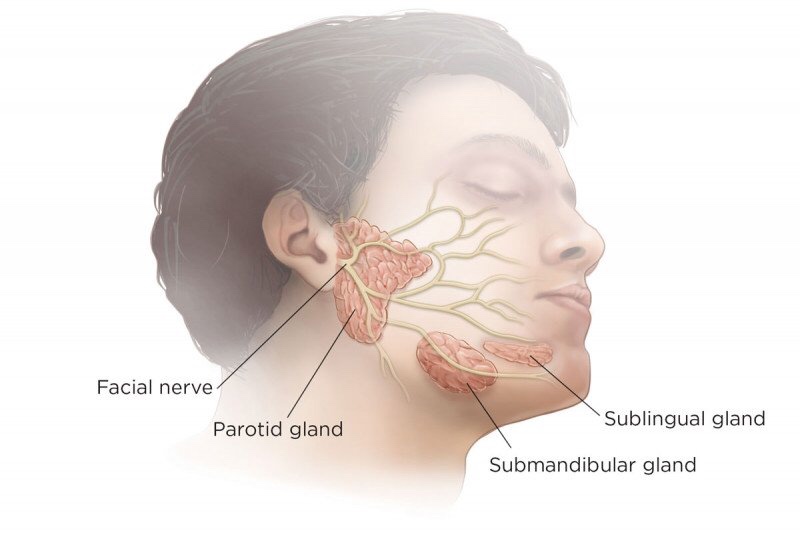
Kwasi Omaro (sighs): We’ve glands that make our saliva that sit underneath our tongue. These glands release their saliva into the mouth through little opening called the Wharton’s duct. Ama, it’s not a medical term but hypersalivation can be synonymous. Ama, are you ok?

Ama Asantewaa (perplexed): No please; the medical jargon hypersalivation has confused me.

Kwasi Omaro (chuckles): The hyper means high or excess and the salivation is the production of saliva. Let me also add that we have three pairs of major salivary glands in our mouth and so many minor ones. Due to our discussion, I will mention two major salivary glands such as the submandibular glands and sublingual glands. As we eat, these glands in our mouth are stimulated and force saliva out.

Photo credit; Memorial Sloan Kettering Cancer centre.

Kwasi Omaro: Ama, now can you in simple term explain gleeking to our important audience?

Ama Asantewaa: Yes; Gleeking is a result of built up watery saliva in our sublingual gland. Any pressure on the glands from the tongue causes the saliva to squirt out.

Kwasi Omaro (Curious): Please Ama, is this gleeking intentionally?

Ama Asantewaa: Yeah Kwasi but mostly accidentally. Some actually prime their mouth for gleeking as a fun while others see it as embarrassing especially the accidental ones. Some health experts say eating sour foods can stimulate the salivary glands to produce more saliva.

Kwasi Omaro (thinking aloud): Ama, how do they intentionally gleek?

Ama Asantewaa: They push their tongue out of their mouth, lift it up and curl the tip back so that it rests behind their top teeth to keep the muscles in the tongue tensed. This helps to squeeze the Wharton’s duct and the saliva squirts out!

Kwasi Omaro: Ama, let end our conversation with how to stop gleeking to our wonderful audience.

Ama Asantewaa: Drink more water to reduce excess saliva production, avoid or reduce the intake of sour foods, oral hygiene like mouth rinsing after eating and others. We thank you all for your audience. Watch out for Headaches Behind The Ear , till we meet again, Bye!

Credit: http://www.health.com