WEAR ME.

Acknowledgment: Ms. Rita Amoabeng.

Wear me because I am the most important commodity in the world in recent times who can save lives.

I became essential commodity before and after the World Health Organization (WHO) declared a global health emergency (COVID-19) on January, 30th, 2020.

Face mask as my name, had higher price of 166% than the 90-day average price according to the consumer advocacy organization report cited in usatoday.com

I was placed under essential commodities Act by the Government of India up to 30/06/2020 and now an important commodity internationally.
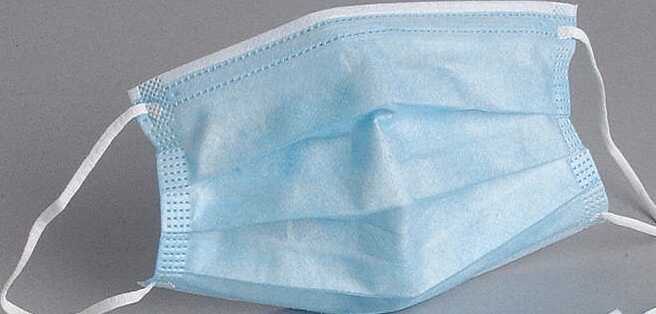
PhotoCredit: Grainger.

This shows how powerful I am. Do you know why you must wear me? I know you are thinking about the answer but simply, you have to save your life and others you love so much. Your next life on the earth is determined by me.

Wear me because I protect you against Small and large droplets (through sneezing, coughing and/or talking).

Wear me to protect your loved ones from getting infected from you knowingly (symptomatic) or unknowingly (asymptotic/carrier).

Acknowledgment; Ms. Irene Appiah

Wear me (face mask) to slow down the spread of the virus we cannot see with our naked eyes since we want to move. We know when we move, the virus moves so please wear me to reduce the infections to save you and me, our loved ones and the community.

Wear me because it has become necessary that recent studies from NHK world, Japan with a documentary titled; fighting a Pandemic showed that the virus can travel through micro droplets ( can only see the virus in the droplets with the aid of microscope). And much micro droplets are produced when an infected person talks loud but when you wear me, it will protect you against this situation.

Credit; Dr. Eunice Rabui Abdulai

Wear me to save your life. Wear me to save your beloved ones. Wear me to save the community cos we need everyone alive including you to build this nation together. It is your responsibility, my responsibility, our responsibility and the nation’s responsibility.

How do you wear and remove me (face mask)?
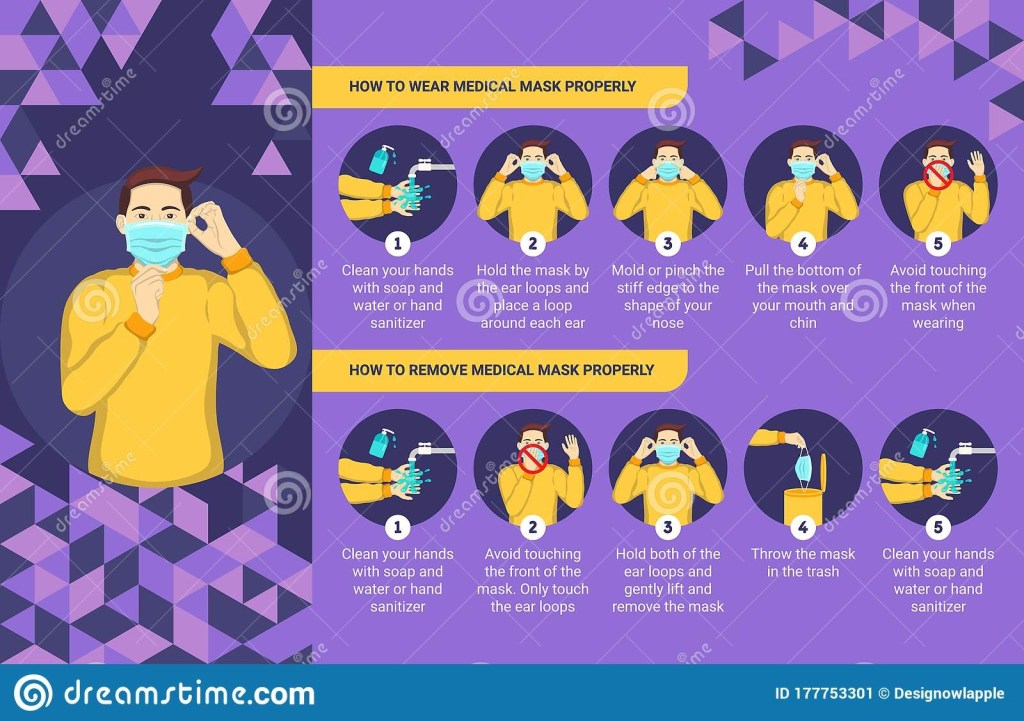
PhotoCredit; dreamstime.com

What must you know before wearing me (face mask)?

1. Check especially the cloth face mask if it has at least three (3) layers of fabric before wearing me.

2. Also, observe if the inner layer that will touch the nose and mouth has unprinted fabric to prevent you from skin allergies and others.

3. Observe if there is no holes in me before wearing me.

4. Check if I will be able to fit snugly but comfortably against the side of the face before wearing me.

5. I should have ties or ear loops for securing.

6. I should also have breathability.

7. Especially the cloth face mask, it should be washable for reuse.

Kindly wear me because you’re all potential COVID-19 until tested to know your status. Again, wear me because you or me or we may be asymptomatic ( carriers) who can infect others unknowingly. You are wearing me not to feel comfort but there is a need to do so for your own safety, my safety, our safety and the community’s safety .

Continue to wash your hands with soap under running water regularly or apply alcohol based 70% hand sanitiser as you wear me (face mask).

#Don’tbethespread

#staysafe

#wearmeifyoumove

Sources.

1. https://www.cdc.gov>2019-ncov

2. https://www.who.int>diseases>wh…

3. https://www.webmd.com>lung>c…

4. https://www.theguardian.com

5. https://www.economictimes.indiatimes.com>…

6. https://www.usatoday.com

LIFTING OF PARTIAL LOCKDOWN, A PREMATURE EJACULATION?

PhotoCredit; Graphic online.

Background

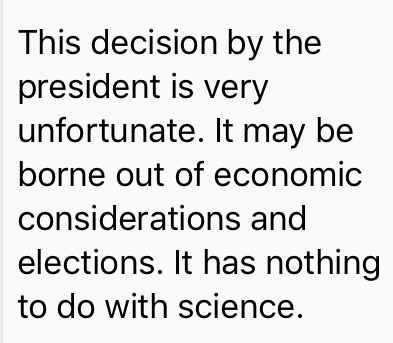
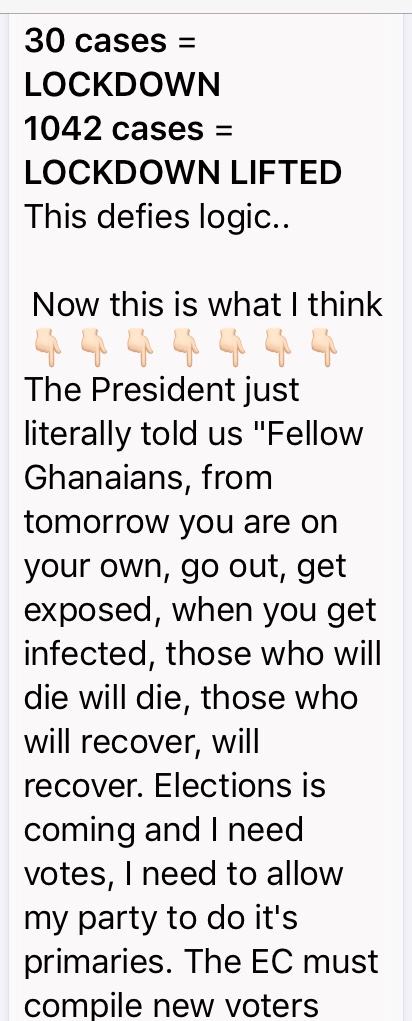
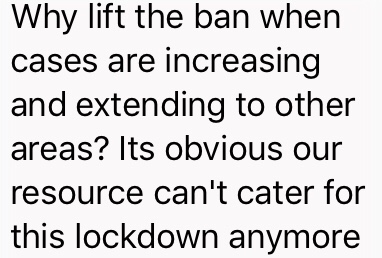
His Excellency, Nana Akufo-Addo, The President of Ghana addressed the nation on a televised broadcast on Friday night, 27/03/2020 on the update of coronavirus pandemic in Ghana. During his (President) speech, he declared partial lockdown in the hotspot areas such as Greater Accra, Greater Kumasi and Kasoa under the Imposition of Restrictions Act, 2020 (Act 1012) to be able to contain the disease but The President on Sunday night, 19/04/2020 addressed the nation again, and lifted the partial lockdown of Greater Accra, Great Kumasi and Kasoa. Most opponents have raised issues as to why there was partial lockdown when confirmed cases were 59 but lifted the partial lockdown when confirmed cases have skyrocketed to 1042 while proponents support the action. This article will focus on the Health,Socioeconomic, and Security implications from the point of views from both Proponents and Opponents.

Keywords; Proponents, Opponents, Health, Socioeconomic and Security.

Proponents Views.

President Akufo-Addo on Monday, 20/04/2020 met the leaders of the Ghana Medical Association (GMA) at the Golden Jubilee House to explain to the leadership why his government took that decision to lift the partial lockdown.

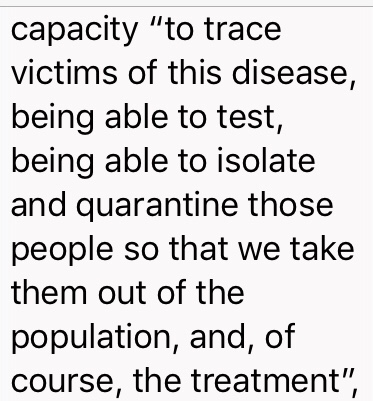
Health and Science Views; The President said “to trace victims of this disease, being able to test, being able to isolate and quarantine those people so that we take them out of the population, and, of course, the treatment”.

Credit; Dede.

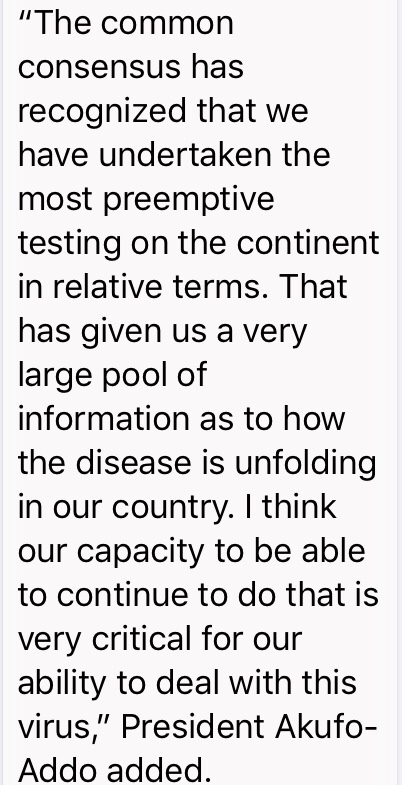
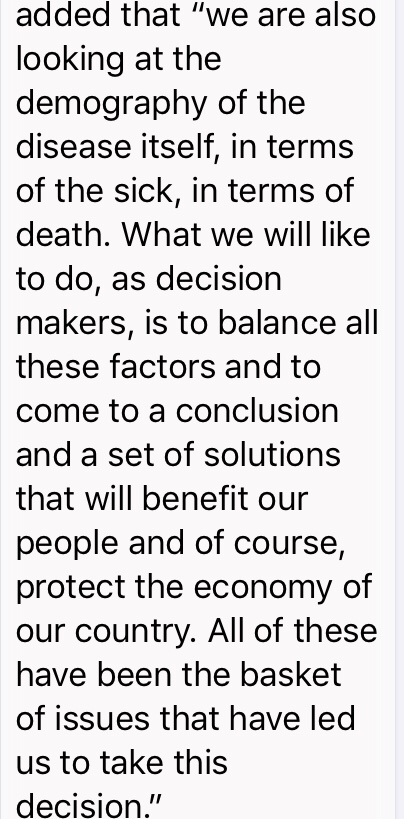
Additionally, the President explained that the partial lockdown was done to be able to study the demography of the disease, in terms of the sick, and in terms of disease. He also said large pool of information as to how the disease is unfolding in our country have been obtained.

Credit; Dede.

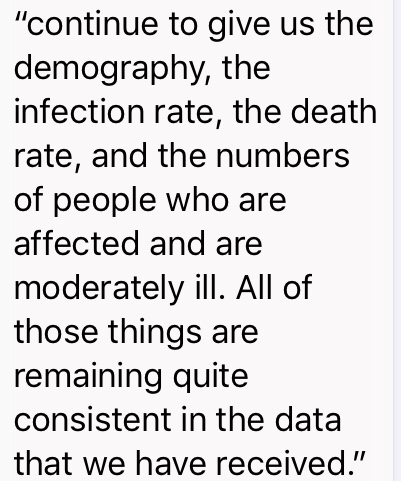
The President of Ghana during the meeting with the Ghana Medical Association said if the government did not aggressively go out and test infected persons and their contacts, these confirmed cases would have been within the population. According to the President, nearly the 70,000 contacts is giving them the demography, the infection rate, the death rate, and the number of the people who are affected and are moderately ill.

Credit; Dede.

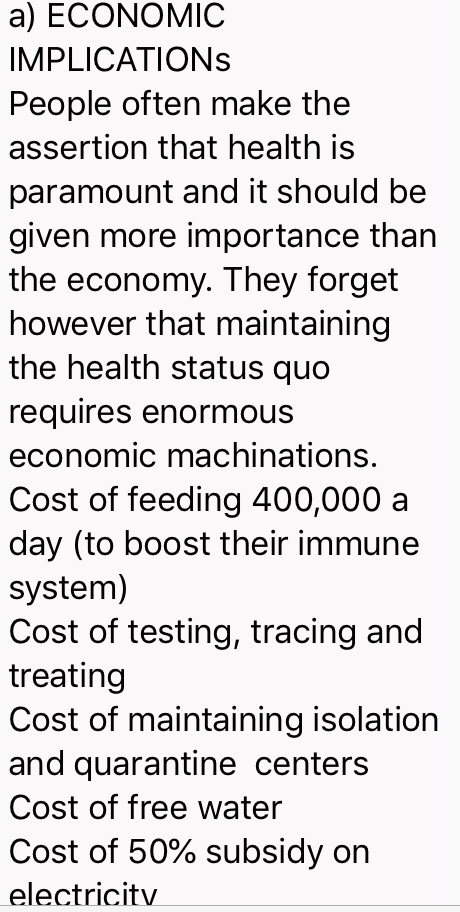
Dr. Joseph Kofi Gyanteh commented that to maintain the health status quo, you will need enormous economic machinations. He further explained that the cost of feeding alone to boost one’s immune system is very expensive. Metaphorically, Dr. Gyanteh said “a wise surgeon will not intentionally cause an injury simply because he knows how to suture the injury”.

Credit; Naa Kowah

However, the opponents have different health and science views on the justification of lifting of the partial lockdown.

Opponents Views.

According to Dr. Koma Jehu-Appiah, a Public Health physician on ‘point of view’ program on citi tv on 20/04/2020, University College of London did a research with findings that Proper lockdown produces 40% reduction in transmissions of the disease, closing down schools gives 15% reduction in transmissions, restrictions on mass gatherings; 7% reduction in transmissions and physical distancing gives 6% reduction in transmissions. He concluded that this tells you that there is positivity of lockdown.

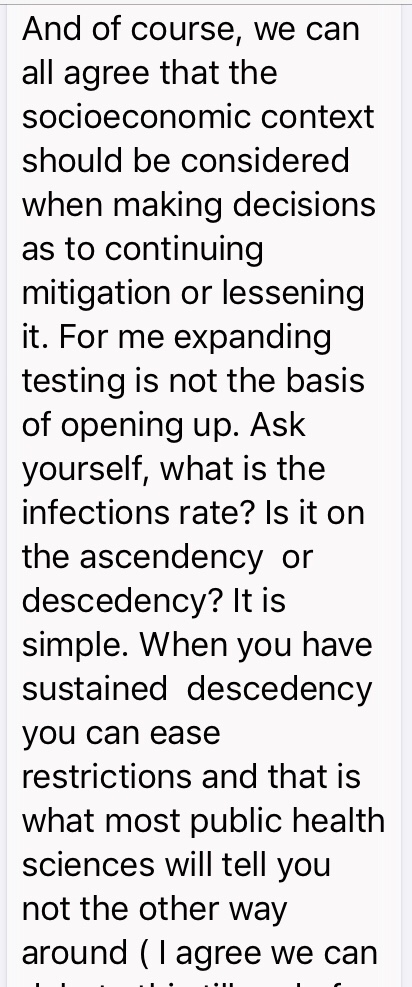
Mr. Benson Owusu-Atuahene, a Public Health Expert, PhD (candidate) is of the view that ease restrictions when infection rates are declined or the curve is flattened. He further argued that doing more tests within a region per population does not mean your infection is going down as evidenced by the enhanced contact tracing and testing producing a skyrocketed case numbers indicate that there is community spread, hence infection rate is ascending.

Benson’s Speech.

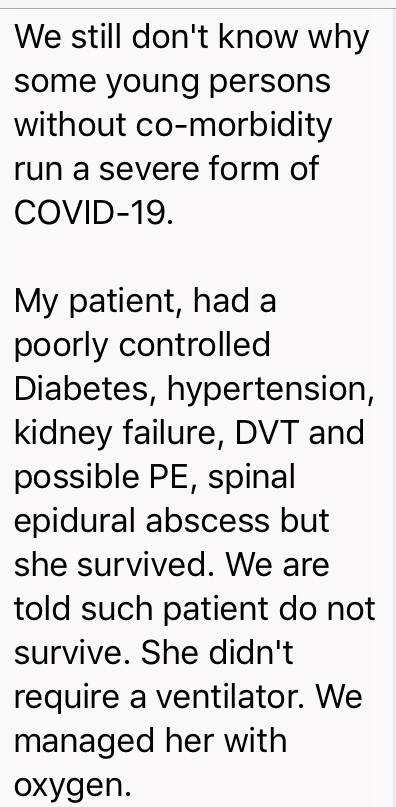
Dr. Hadi Abdullah, a neurologist and zongo boy also opined that it is still not known why some young persons without co-morbidity ( underlying condition) have a severe form of COVID-19. He gave his experiences on the clinical field as his patient who had poorly controlled diabetes, hypertension, kidney failure, Deep Vein Thrombosis (DVT), possible Pulmonary Embolism (P.E) and Spinal epidural abscess survived without ventilator but oxygen. He added that you don’t relax restrictions when 7 more regions have reported cases of the virus, and when there are more 18,000 samples to be tested.

Credit; Matilda Soglo.

Socioeconomic Implications.

Proponents Views.

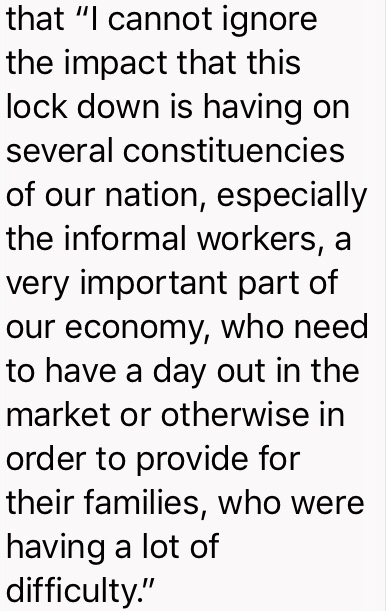
The President of Ghana reiterated during the meeting with Ghana Medical Association that he is aware majority of Ghanaians are informal workers who work from hand to mouth, he cannot ignore the economic impact of citizens.

Credit; Dede

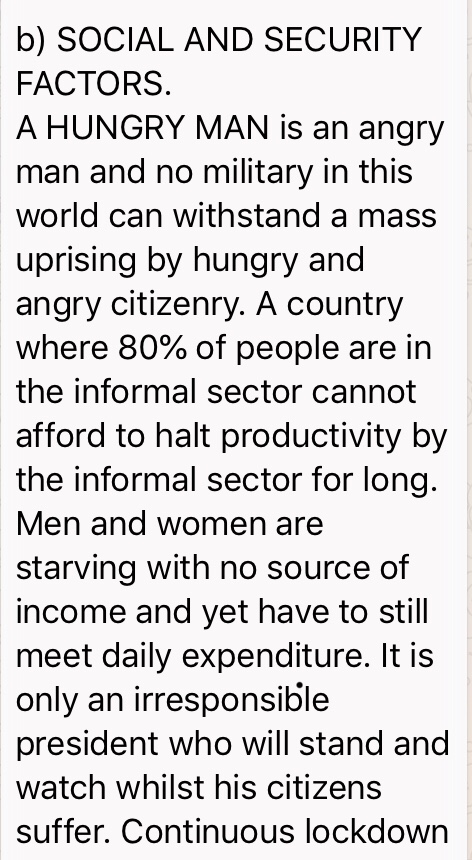
Dr. Joseph Kofi Gyanteh also focused the argument on social and security implications such that a hungry man is an angry man, and that there could be mass uprising by hungry and angry citizens which may have a threat to security of the state.

Credit; Naa Kowah.

Opponents Views.

Most opponents accepted that the continuous lockdown will cripple the economic but see health as paramount, although people need to work to get food to eat to survive, and boost their immune system.

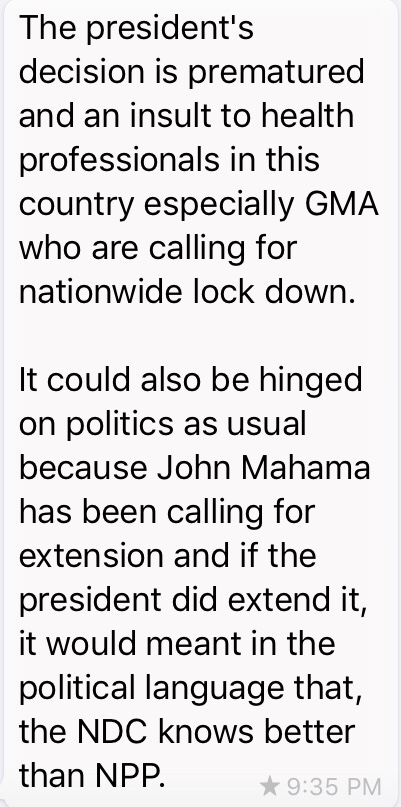
Others argue in political line during closed monitoring on social media which include the following.

Others too use the advantage to reassure Ghanaians to follow strictly the precautionary measures put in place by the government and health authorities as well as WHO.

Conclusion.

All the above arguments are very valid but let come together as one nation to fight this biological enemy by putting on the face mask when we are going out, observe social distancing, frequent hand washing with soap under running water water and others. And please, do not move out if you don’t have anything necessary to do although there is no lockdown but the Government of Ghana added that he will not hesitate to Lockdown on community based and even impose curfew if the need be. Let be self-discipline to protect ourselves, our loved ones and the entire community.

#Spreadcalmnotfear

#Stayathome

#Thistooshallpass

The fate of Persons Living With Mental Illness In The Lockdown Cities In The Era of Covid-19.

on April 12,2020. RMN (Ankaful Psychiatric Hospital)
chibaronet@gmail.com

The World Health Organization (WHO) has recommended that persons with mild symptoms of COVID-19 should be managed at home. Such persons, according to WHOs prescription, must constantly keep in touch with health care professionals.

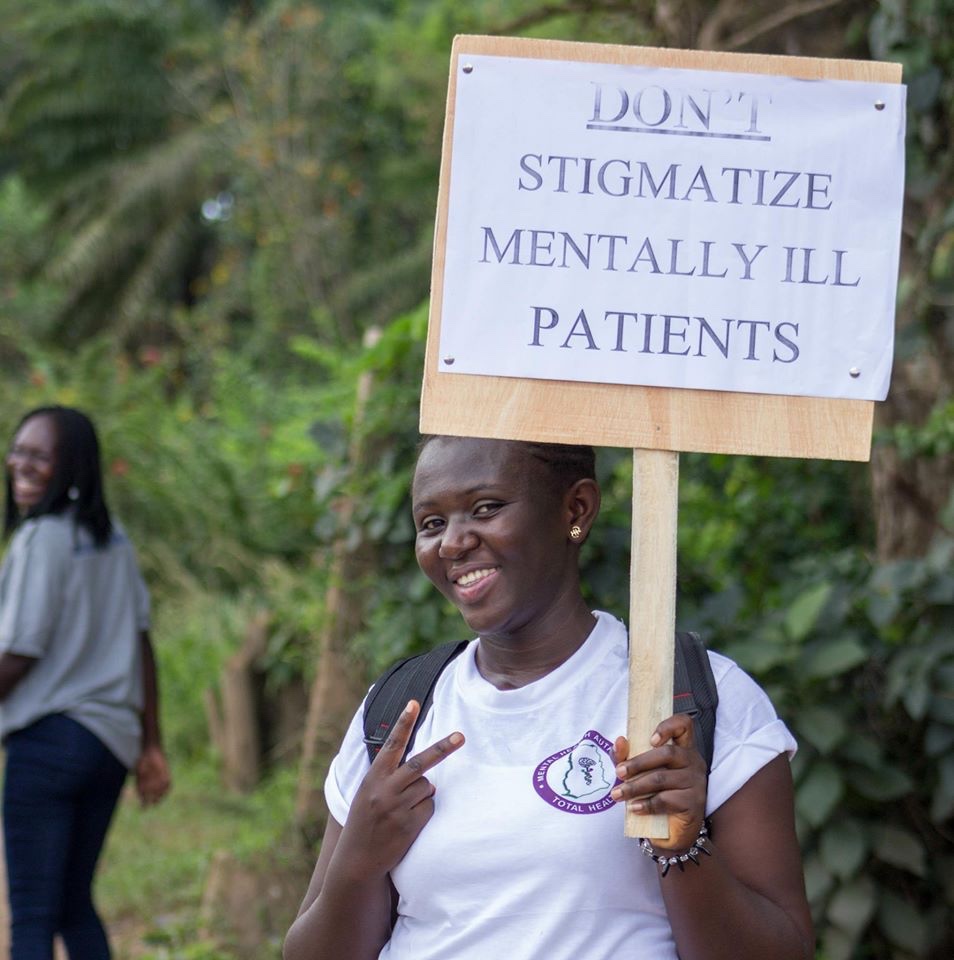
This recommendation certainly cannot apply to psychiatric patients here in Ghana where the understanding of mental illness to many is largely rooted in the spiritual realm with its accompanying stigma. Persons who have recovered from COVID-19 illness are being stigmatized in society and in the case of persons with mental illness, it is going to be double agony.

Imagine taking care of a psychiatric patient at the isolation centres. Imagine that the patient is manic and aggressive. The sight of your PPE regalia in a ghost resemblance is enough to provoke him to attack you.

Here comes the problem where most general hospitals pay less attention to psychiatric patients when they find their way to the general hospital.

Having worked at the Out Patient Department (OPD) for more than half a decade until 6th January 2020 when I departed to a different ward in respect of reshuffling rituals, I have practically seen and heard all the ‘inhuman things’ done to psychiatric patients outside the walls of the Psychiatric Hospitals.

Image may contain: 1 person, smiling, outdoor

In 2016, a diabetic patient was wrongly diagnosed and tagged with mental illness at the general hospital and referred to Ankaful Psychiatric Hospital for further management. Upon arrival, the nurses in executing their routine checks discovered that the patient’s random blood sugar (RBS) was high, hitting around 30mmol/L.

The restlessness the patient exhibited at that moment, which was a predictable reason for the referral, wasn’t the priority of the healthcare team. At least in the extreme case, physical restraint could be employed. The health team knew the implication and complications of the high sugar level in the blood and was more focused on controlling the high sugar level rather than the minor psychiatric symptoms the patient was exhibiting. No one knew how long the patient had lived with such a high sugar level, neither was the patient able to tell. All psychiatric medications brought from the referral facility was suspended.

Eventually, the patient’s sugar level was brought under control after days of treatment. The restlessness, both physical and emotional, disappeared. It was all joy to the health team, especially the nurses. It is not everyone who comes to the psychiatric hospital needs psychiatric medications.

Again, restlessness could be precipitated by a medical condition. The patient was subsequently discharged home on antidiabetics, not antipsychotics (psychiatric medications). Most general hospitals will refer cases to psychiatric hospitals in the least quasi psychiatric symptoms the patient exhibits without due diligence of assessment.

There was another case last year, where a woman was involved in Road Traffic Accident(RTA) and had multiple fractures at the lower limbs. At the general ward after days on admission, it was discovered by the health team that the patient had a psychiatric history and was seeking treatment at Ankaful Psychiatric Hospital even though she exhibited no sign or symptom to suggest so at the general hospital. Surprisingly, this revelation was enough cause to abandon the patient for 7 good days. Her wound was not being dressed, no bathing as well.

She was referred to Ankaful Psychiatric Hospital with the reason that the patient always complains anytime they wanted to dress her wound and sometimes refuses to cooperate. The patient refuted all these allegations and narrated how they had abandoned her needs to her fate. The accompanying nurse and the ambulance driver were made to standby. The patient was given a thorough bath, dressed in a new cloth, wounds dressed by the nurses. A doctor referred her back to the same facility.

The story goes on and on, too many to even write a book, perhaps with the title “The Ordeal of Psychiatric Patients at The General Hospital”. This brings to question the essence of psychiatric affiliation for both doctors and general nurses.

With the advent of the new mental health law in 2012 (Act 846) which emphasis on decentralization of mental healthcare, more psychiatric nurses have been deployed to almost all health facilities in Ghana. Their duties, among other things, are to provide mental healthcare at the primary level and manage cases at the hospital as well.

The law stipulates that every health facility must have at least a psychiatric unit for psychiatric nurses to execute their duties. Sadly, some of the Psychiatric Nurses are made to work on the wards at the general hospitals, including even teaching hospitals, oblivion to their core mandate to deliver mental healthcare. Some of them are not even consulted when a psychiatric patient is brought to the facility, talk less of consulting them before referral.

So in the face of COVID-19, what is the fate of psychiatric patients in lockdown in cities?

Have there been any plans for protecting the psychiatric patients on the streets of Greater Accra and Greater Kumasi?

Are there going to be special isolation centres for psychiatric patients in the charge of psychiatric nurses and doctors or they are going to be in the ordinary?

If minor psychiatric cases are not managed well at some general hospitals how much more when they have COVID-19? How will persons living with mental illness be treated at the isolation centres?

Giving the aforementioned instances of the ordeal of mental patients in the hands of some general hospitals, the narrative will not change if they are left in the hands of the ordinary health personnel who do not appreciate the content of mental illness.

Every psychiatric nurse should be considered as a frontline health worker in the face of COIV-19 to able to manage persons living with mental illness both on the street, at the psychiatric hospitals and the isolation centres.

Any other health professionals cannot cope with the antics of a psychiatric patient other than the psychiatric nurse and doctors who have been trained to understand the psychiatric patient.

GHANA’S COVID19 TEST RESULTS AND MATTERS ARISING.

PhotoCredit; starrfm.com.gh
PhotoCredit; medicalworldupdate.com

As the world battles with Covid-19, the World Health Organization (WHO) strongly suggested that all countries take bold initiatives to “test, test and test” to identify cases. This call by the WHO was based of the fact that an effective way of controlling infectious diseases is to identify the reservoir host and isolate them from the general population. In fact, essential among the WHO’s key strategies in the fight againist infectious diseases is having proper National Laboratory Systems and infrastructure.

Unfortunately, at the wake of Covid-19, the Ghanaian Laboratory Systems were not that prepared to respond to the WHO’s call to test citizens. Deploying Medical Laboratory Professionals (MLPs) in the country has become difficult for some time now with many professionals remaining unemployed. One major reason to this is that government over the years has neglected some aspects of healthcare including medical laboratory sciences.

This conspicuous neglect of laboratory systems has resulted in the Center for Disease Control of the United States of America to sacrifice millions of dollars in gathering experts to draw a technical laboratory plan for Ghana leading to the development of three important documents as policy frameworks for the development of medical laboratory science in Ghana. One of these key policy frameworks is the National Health Laboratory Policy (NHLP) – a policy document approved and signed in 2013 by the then Minister of Health, Hon. Sherry Ayitey, and was due for implementation. But due to health politics and medical supremacism, this policy has not seen the light of day even till today.

Foreseeing the dangers ahead such as this Covid-19 times, MLPs over the years have called upon both past and present governments to see to the implementation of the NHLP – a clarion call that even led to professionals laying down their tools in protest of failure of government to pay heed to their call. All the advocacy towards the implementation of the NHLP notwithstanding, it remains pathetic that the Ministry of Health could not awake to the need of this important sector of health till this pandemic.

Unfortunately, Covid-19 came in handy to expose the gaps in our medical laboratory systems as a country, and further confirms that the benevolence of the CDC towards aiding the development of laboratory policies for Ghana was not a waste of resources. The only difficulty we have is that, the sick who is to take medicine for his health fails to recognize that he is sick. CDC only came in to help. However, our leaders and ministries have refused to see the actual problem.

The fortunate aspect of Covid 19 pandemic is that it provides us as a country, a good opportunity to solve the problems we have ignored over the years: to develop proper medical laboratory systems including infrastructure, and to advance and train competent medical laboratory Scientists to man our laboratories. These are the main objectives of the NHLP.

Few days ago, Ghana only relied on two major research institutions – the Noguchi Memorial Institute of Medical Research of the University of Ghana and the Kumasi Center for Collaborative Research of the Kwame Nkrumah University of Science and Technology to test and confirm cases of Covid-19. Currently added is the National Public Health Reference Laboratory located at Korle Bu. These facilities remain inadequate to effectively response to the pandemic. The question is: could we have responded better if we had enough medical laboratory systems distributed in the country to test and confirm Covid-19 cases? The obvious answer is ‘yes’.

Building on this, challenges with the current regime of test includes delay in results, effects on sample stability as they are transported across long distances, and mounting of undue pressure on the testing facilities and the MLPs in these centres. It is important to note that when pressure builds on medical laboratories due to inadequate capacities, there abounds increase in the rate of false negative and false positive test results. These present challenges among several others have significant potential to affect our fight against Covid-19. However,it is never late as a country to plan well towards the uncertain future.

What is the future? The future is taking a deliberate look at the weak links in the health care system and fixing them. The future is the implementation of the NHLP and a conscious effort to develop competent and a well motivated workforce to man our medical laboratories taking into consideration current trends in professional development and ever changing technology. The future lies in empowering MLPs and further recognising their important roles in modern healthcare.

It is hopeful that our dear country Ghana and the entire African continent will see this future and embrace it. It is a truism that countries that have functional medical laboratory structures have a better chance of tackling both communicable and non-communicable diseases. It is also true that countries with effective regulatory regime and a formal policy on laboratory sciences continue to have robust medical laboratory systems. Examples of these countries in Africa include South Africa, Kenya, Ethiopia and Nambia. Surely, the time is now to move beyond supremacism and embrace systems where every team member is well recognized and given the chance to develop and contribute to the care of patients. That is the way to go.

God bless our homeland Ghana and give us the serenity to accept what cannot be changed, the courage to change what ought to be altered, and the wisdom to know the difference between the two.

-Written by ; Solomon D.Y KWASHIE, Medical Laboratory Scientist.

MY COUNTRY AT BIOLOGICAL WAR: THE ENEMY!

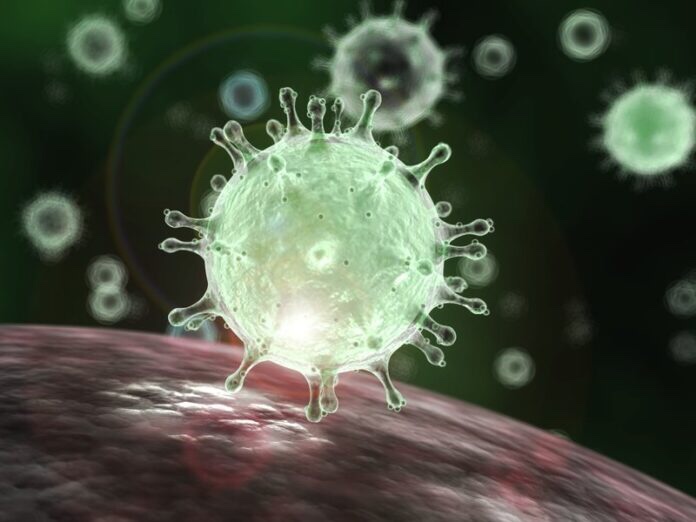
Huuuuuuuu……….., our biggest biological enemy is coronavirus, tormenting our lives, making us uncomfortable, restricting our physical socialisation, preventing us from going to church/mosque to worship, even leading to partial or total lockdown in most affected countries. This tells us how strong this biological enemy is! Please, to all people out there, you only live once (YOLO). We are never in normal time. We must be worried but not to be in fear and panic. Life can never be the same in this difficult time, we must all compromise to contain the disease. Please, let stay home if it is not so important to go out. The enemy is real, waiting for you outside to attack you. God help those who help themselves. Please, we can do this, let do this together to protect ourselves, our loved ones and the whole community. Community spread is very dangerous in an outbreak. Together we can contain and fight this enemy. The security services, the health care providers, and others including you are all fighting this enemy. The enemy is not you neither the security service providers but coronavirus.

This common enemy has no legs to move to attack human beings but does so through us (human beings ). When we move, the virus moves, when we stop moving, the virus stops moving as once said by Hon. Dr. Matthew Opoku Prempeh, Minster for Education, Ghana. This has made various heads of states to take very very difficult actions to stop this big common enemy.

The President of Ghana, His Excellency Nana Addo Dankwa Akuffo-Addo on Friday, 27th of March, 2020 in his updating speech on Covid19, said “ We know how to bring the economy back to life. What we do not know is how to bring people back to life”. So whatever the various heads of state are doing is not punishment but for our own good, for own protection, for our own survival. Please, let do our best to adhere to that.

Call 112 if you experience fever, cough and difficulty in breathing for medical attention. Please, all philanthropists doing humanitarian activities like sharing foods, water and sanitary items to the poor and needy is a good thing but maintain social distance at least lm (arm stretched) among all the beneficiaries as well as yourself because we need all alive to fight and defeat this big enemy called Coronavirus

Look at how the first world countries, with all the good national health systems are struggling to fight this common enemy, then we the third world countries like Ghana? Please, you need to survive, we need to survive and the community needs to survive, it is important to stay home, and follow the precautionary measures like frequent hand washing with soap under running water, use of alcohol-based hand sanitizer, coughing into tissue and discard immediately into bin and wash hands, take more fruits and vegetables, avoid touching your ears, eyes, nose and mouth with unwashed hands.

Aooooooh, my country, your country, our country weeping, with piercing heart, deep deep down when this enemy came to visit the world on 31st of December, 2019. The world economy has been crippled, Public Health across the globe is threatened, Physical socialisation has become thing of the past, leading to unbearable psychological trauma due to this enemy. This enemy does not have respecter of who you are, whether rich or poor, African or European, high social status or low social status, it attacks everyone.

Coronavirus! Since you came to the world, you have affected 206 countries, infecting 857,641 people, and killing 42,006 people globally as at 2nd of April, 2020, 11:03GMT. First world countries like USA is battling this biological enemy, with confirmed cases of 228,727, and 5,373 deaths, and 5,421 people in critical condition as at 2nd of April, 2020, 16:53 GMT. This enemy is so dangerous that with the least opportunity, it attacks thousands of people. Hmmmm, my God! Have mercy on us.

#stayhome #maintainsocialdistance #spreadcalmnotfear #togetherwewillfightthisenemy.

Sources;

1. https//www.ghanahealthservice.org/covid19

2. https//www.who.int/health-topics/coronavirus

3. https//www.worldometers.info

LET SAVE OUR MIND TO BOOST OUR IMMUNE SYSTEM TO FIGHT COVID-19.

For physical practices such as regular hand washing with soap under running water, use of 60% or more alcohol-based hand sanitizers when water and soap are not available, sanitizing our door handles, electrical gadgets and others, adequate rest and sleep, more fruits and vegetables in take, taking adequate water, coughing or sneezing into tissue or elbow and discard tissue immediately into bin, and wash your hands with soap under running water or use of alcohol-based sanitizer to holistically work to protect us against Covid-19 pandemic, our mental and psychosocial health cannot be overlooked, hence, it is very important we look at ways to improve our mental and psychosocial health in a pandemic era like this to boost our immune system to fight this Covid-19, together we can!

Before then, let us look at how fear and panic compromise our immune system and make us prone to disease like the Covid-19 pandemic. The immune system produces antibodies, which act as ‘soldiers’ to fight against antigens such as viruses immediately detected in the body to prevent sickness. When there is fear and panic, the body releases a primary stress hormone called cortisol which suppresses our immune system by reducing the number of its virus-fighting cells, hence, making you prone to COVID-19 pandemic and other diseases.

The following emotional tools and practices can help us to keep our immune system healthy to prevent COVID-19 pandemic and other diseases.

1. Be calm, calm and calm down. How do we do that? First, seek the right information from the right source. In pandemic outbreak like this, seek information from only healthcare professionals, and from website like World Health Organization (https//:www.who.int), Ghana Health Service/Ministry of Health (https//:www.ghanahealthservice.org/covid19) and Centre for Disease Control and Prevention (https//:www.cdc.gov) to calm you down. Avoid watching or reading or listening to news that causes you to feel anxious or distressed. Also, avoid using unhelpful coping strategies like tobacco use, alcohol use and other drugs to calm you down, these rather worsen your situation, and prone you to Covid-19 pandemic and other diseases. Lastly, have in mind that the current situation will not go away overnight, hence, should focus on adopting long term preventive behaviour measures to calm you down.

2. The Power of Pause, Present Moment Awareness and Heartful Emotion Affect Regulation Training. Whenever you’re in a fear and panic state, first, pause and observe your reaction from a third party, then reflect on the present moment like COVID-19, and take deep breaths for at least two times. This helps to relax your muscles, and calm down your whole mind and body complex.

3. Robust social networking. During pandemic times like COVID-19, it is very important to engage with friends and family very well. This is the time we need social support. Due to strict social isolation to prevent the spread of COVID-19, it is important to use digital method to reach friends and family. We can make phone call to check on ourselves, through social media networks like WhatsApp, Facebook, instagram, zoom, Skype and others, we can chat with friends and families. We need this to promote our mental and psychosocial health to boost our immune system to protect us against COVID-19 and other diseases.

4. Promote children’s mental and psychosocial health. Children may be for instance prone to long term damage to their immune system through Early Life Stress (ELS). This is because children are most likely to pick up the stress and anxiety their parents are going through so it is very important in this critical time as parents or guardians to apply point 1,2,3 aforementioned to calm your children to boost their immune system to protect them against Covid-19. Furthermore, parents should create opportunity like playing for the child to bring out his or her emotional feelings, and address them in a honest and age-appropriate way. Lastly, encourage children to play and socialise with others, even if only within the family.

#Spreadcalmnotfear (courtesy; Ministry of Information, Ghana).#Letprotect&fightcovid-19pandemictogether.

Sources; 1. https//:www.who.int

2. https//:www.ghanahealthservice.org/covid19

3’. https//:www.psychologytoday.com

3Ps TO CORONAVIRUS PANDEMIC.

Time for action and calm to fight this disease. Let adhere strictly to the following to protect ourselves, protect our family and protect the community at large. There is hope if we do all the below. Thank you.

Protect yourself first by doing the following;

1.Wash your hands frequently with soap under running water.

2. Avoid hand shake, and close contact with others but maintain social distance at least 2m away (arm stretched away).

3. Use alcohol-based hand sanitizers (60% alcohol and above) frequently where water and soap is unavailable. Discourage from the use of ‘Akpeteshie’ because the alcohol content is less than 60% to kill the invisible germs on our hands.

4. Sanitise your doors, electrical gadgets such as mobile phones, tablets, computers, remotes, and others frequently with antiseptic solution such as detol, 60% or above alcohol-based sanitisers and others.

5. Avoid public gatherings or overcrowded areas.

6. Take more fruits especially oranges or vitamin c tablet 100mg three times a day or dissolvable vitamin c tablet 1000mg daily to boost your immune system.

7. Take more vegetables such as lettuce, ‘Kotomire’, ‘Ayoyo’, ‘Elefe’, green paper, carrot, Carlic and others to build your immune system.

8. Take adequate fluids such as water, soup, beverages and others to hydrate you.

9. Rest adequately if possible to build your immune system.

10. Engage in regular exercise to build the immune system.

11. Avoid contact with people who have traveled recently, experiencing fever, cough, sneezing, runny nose and others.

Protect your family by doing the following;

1. Cover your nostril or mouth when coughing or sneezing with disposable tissue and discard immediately into bin, and wash hands with soap under running water or apply alcohol-based hand sanitizers (60% and above alcohol).

2. Maintain Social distance at least 2m (arm stretched away) away from others.

3. Self-isolate yourself from your family if you feel unwell, and experience symptoms such as cough, sneezing, runny nose, fever( above 37.2 degrees Celsius), and call 0509497700/0558439868 for immediate medical attention.

4. If you have travel recently, self-quarantine yourself for 14days upon arrival to protect your family.

5. Self-quarantine yourself for 14days if you think you have been exposed to someone coughing or sneezing.

Protect the community by adhering to the following;

1. Self-isolate yourself from the public if you feel unwell, and experiencing fever, coughing or sneezing for 14days, and seek medical attention by calling the contact in point 3 under protect your family.

2. Apply point 1,2,3 and 4 under protect your family to prevent community transmission if you’re confirmed to have Covid-19.

Credits; 1.https//www.who.int

2. https//www.ghanahealthservice.org/covid19

3. https//www.cdc.gov

MENINGITIS ALERT!

Cited in GBC news channel yesterday (24/02/2020), both evening (7pm) and late news (10pm) was 30 cases of meningitis recorded, 4 deaths in the Central region, specifically Assin, Ghana, which was confirmed by Dr. Godfred Sarpong, The Director of Public Health, Central Region according to GBC news.

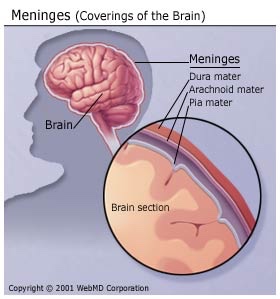
PhotoCredit; webmed.com

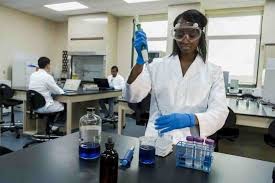
Meningitis is the inflammation (swelling) of the meninges (membranes) surrounding the brain and spinal cord. There are different types of meningitis, and these are; Bacterial meningitis, Viral meningitis and fungal meningitis.

The Bacterial meningitis is the most serious and can be deadly if not detected early and treated early. The viral meningitis is the most common cause while the fungal meningitis is very rare.

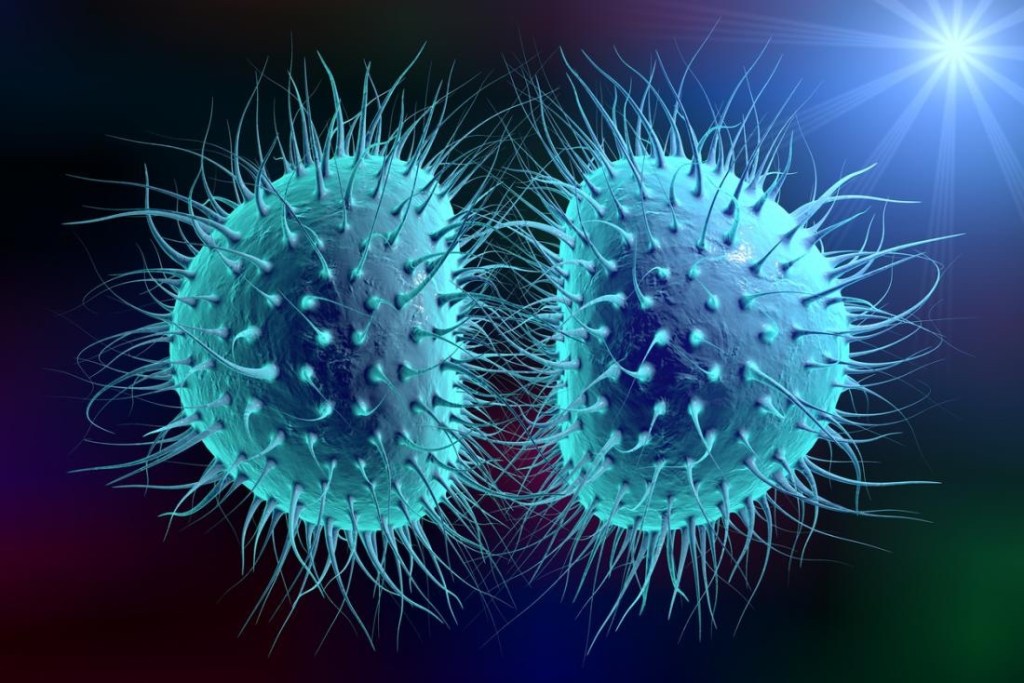
Bacterial meningitis.
PhotoCredit; medicalnewstoday.com

SOME KEY FACTS ABOUT MENINGITIS.

1. Bacterial meningitis can be deadly as little as few hours after exposure.

2. Early detection and early treatment help to recover from meningitis.

3. If diagnosed early and adequate treatment started, 8%-15% of patients die, often within 24hrs-48hrs after the onset of symptoms (WHO facts sheet, 2018).

4. 50% cases of meningitis are fatal(deadly), and 10%-20% survivors can have complications such as brain damage, hearing loss or disability (WHO facts sheet, 2018).

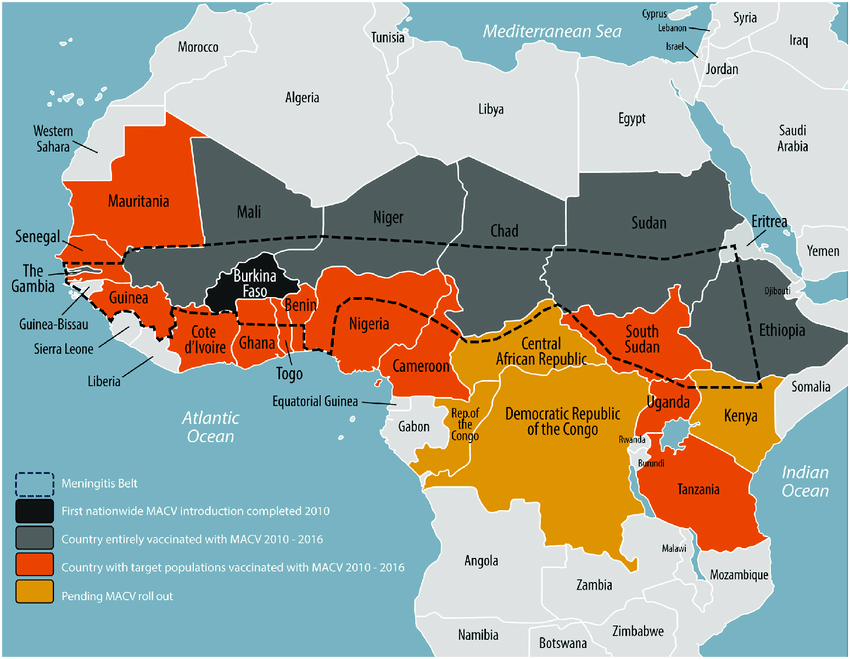
5. This disease is common in the Sub-Sahara African especially in the dry season, stretching from Senegal in the West to Ethiopia in the East (WHO facts sheet, 2018).

Areas the disease is common.
PhotoCredit: researchgate.net

6. Around 30,000 cases are still reported each year from these tropical regions (WHO facts sheet, 2018).

How Is This Disease Spread?

Through coughing, sneezing, kissing, sharing of eating utensils, toiletries, cigarettes with infected person especially the bacterial and viral meningitis. Some are carriers ( have the disease) without being sick can infect others.

Signs and Symptoms

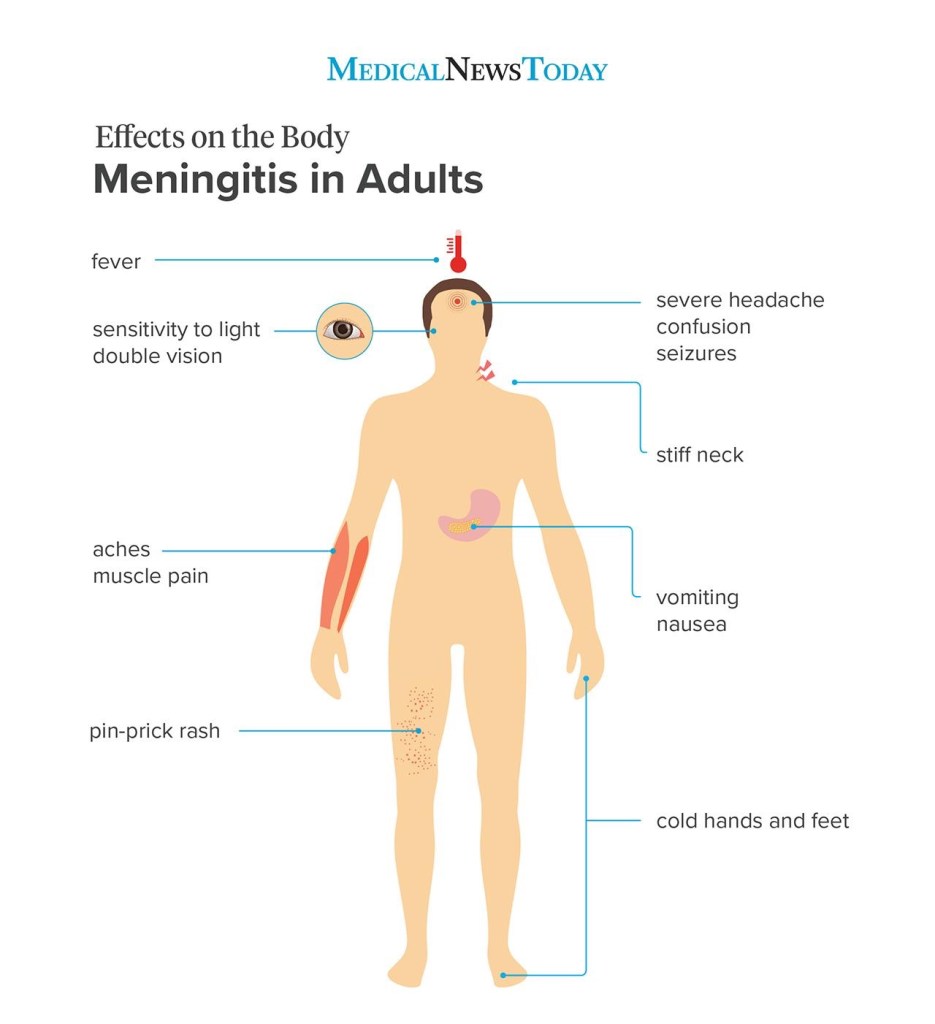
When one is exposed to the disease, within 2-10days, the infected person may experience early symptoms such as fever, headaches, and stiff neck.

Late signs and symptoms are nausea and vomiting, sensitivity to light( photophobia), loss of appetite, difficulty concentrating, seizures, skin rash, confusion and others.

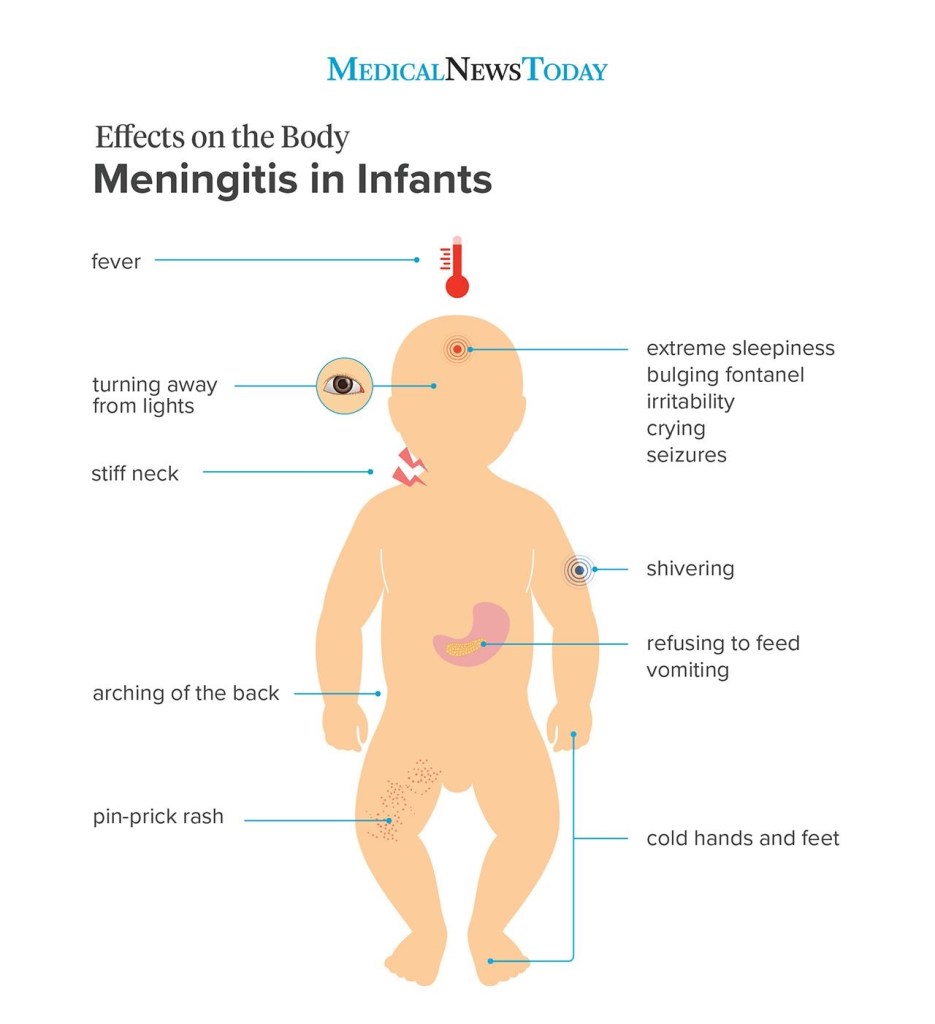
In children, they poorly feed, become irritated, cry a lot with stiff body and neck, Bulging fontanelle (soft spot on top of the baby’s head).

PhotoCredit; medicalnewstoday.com
PhotoCredit:medicalnewstoday.com

Blood sample can be taken for laboratory investigation as well as Lumbar Puncture( fluid near the spinal cord is taken from above the waist region) to confirm the disease apart from the signs and symptoms.

Treatment.

Antibiotics is the way to go.

People At Risk.

1. People skipping vaccinations: Those who could not complete recommended vaccinations.

2. Age; those under 20years.

3. Living in a community or group setting; people in overcrowded areas; students in dormitories, personnel at military bases, boarding school and others.

4. Pregnant women

5. Compromised immune system like AIDS, Alcoholism, diabetes, use of immunosuppressant drugs.

6. Working with meningitis-causing pathogen (microbiologist routinely exposed to meningitis causing bacteria).

7. Travel to certain places where the disease is common such as Sub-Sahara Africa during dry season, Mecca during Annual Hajj and Umrah pilgrimage.

HOW TO PREVENT MENINGITIS.

1. Wash hands regularly with soap under running water/ alcohol hand rub.

2. Avoid overcrowded public places.

3. Practise good hygiene; don’t share drinks, food, straws, eating utensils, lip balms or toothbrushes. Teach children and teen to avoid sharing these items.

4. Practise respiratory hygiene; cover mouth and nostril with clean tissue when sneezing or coughing and discard into bin, and wash hands/ rub with alcohol.

5. Maintain your immune system through adequate rest, exercise, adequate fruits and vegetables intake and others.

6. Cook meat thoroughly, and avoid unpasteurized cheeses( take cheeses labeled as being made with pasteurized milk).

7. Routine immunization is recommended.

Note; when there is outbreak; prompt reactive vaccination is advised.

It can be concluded that Meningitis especially the bacterial one can be deadly but early detection and early treatment save lives. Washing hands regularly, avoiding overcrowded places, and abstaining from sharing items can help prevent the disease. Let all live alive.

Sources.

1. GBC News, Evening and late news; 24/02/2020.

2. https://www.mayoclinic.org>such-2…

3. https://www.who.int>…>retail

4. https://www.cdc.gov>meningitis

EAT FOR LIFE.

PhotoCredit; medicalnewstoday.com

According to Brookie et al, 2018, “raw fruits and vegetables intake but not processed significantly have higher mental health outcomes such as reduced depression, higher positive mood, life satisfaction and flourishing”. This indicates that the intake of raw fruits and vegetables gives much micronutrients than the processed ones.

Approximately, 2.7million lives could potentially be saved each year globally if fruits and vegetables consumption were sufficiently increased ( World Health Report, 2002 cited in WHO Meeting Report, 2003). Again, the WHO International Agency for Research on Cancer (IARC) estimated that fruits and vegetables consumptions have preventable percentage of 5-12 for all cancers, and up to 20-30% for all upper gastrointestinal tract cancers (mouth, pharynx, oesophagus, stomach, colon, rectum, pancreas) worldwide. All the above inform us that to eat for life is more intake of raw fruits and vegetables. Some will argue that then let us all be vegetarians but no, we also need calorie and body building foods like the rice, maize, banku, fish, meat, eggs and others, but not in much quantities.

PhotoCredit;dietdoctor.com

To eat to live means we must be concerned about whatever goes in, how it makes us feel, and comes out. Mindful eating practice is the way to go. Avoid foods that you eat give you allergies, Change your mood and others. Fruits and vegetables should be part of you all the time to save your life. The most difficult thing to do is making changes in our diet but once started, it becomes increasingly easier. Most researchers provide more health benefits of fruits and vegetables which will be discussed here but mindful eating of them is very important to save our life. The mindful eating practices of these fruits and vegetables will also be explained here.

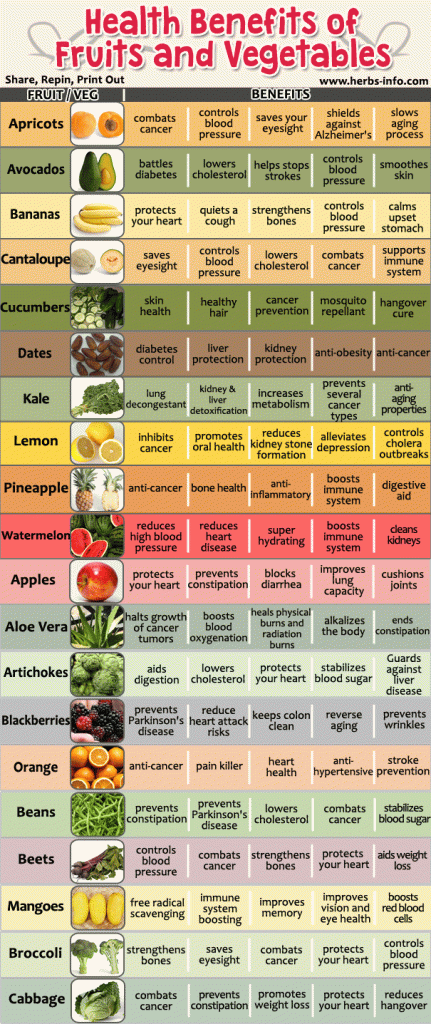
HEALTH BENEFITS OF FRUITS & VEGETABLES.

PhotoCredit; Pinterest.com

1. Help manage our weight. Fruits and vegetables are low in calories (energy) and fat, and most have a lot of water and fiber to make you feel full.

2. Lower your chances for cancers. Some fruits and vegetables contain antioxidants which prevent cancer of gastrointestinal tract, breast, bladder and other parts of the body.

3. Lower our chance for heart disease. Some Fruits and vegetables are low in saturated fat and cholesterol which lower blood pressure.

4. Prevent constipation. Some fruits vegetables have high fiber and roughage which help to free one bowel.

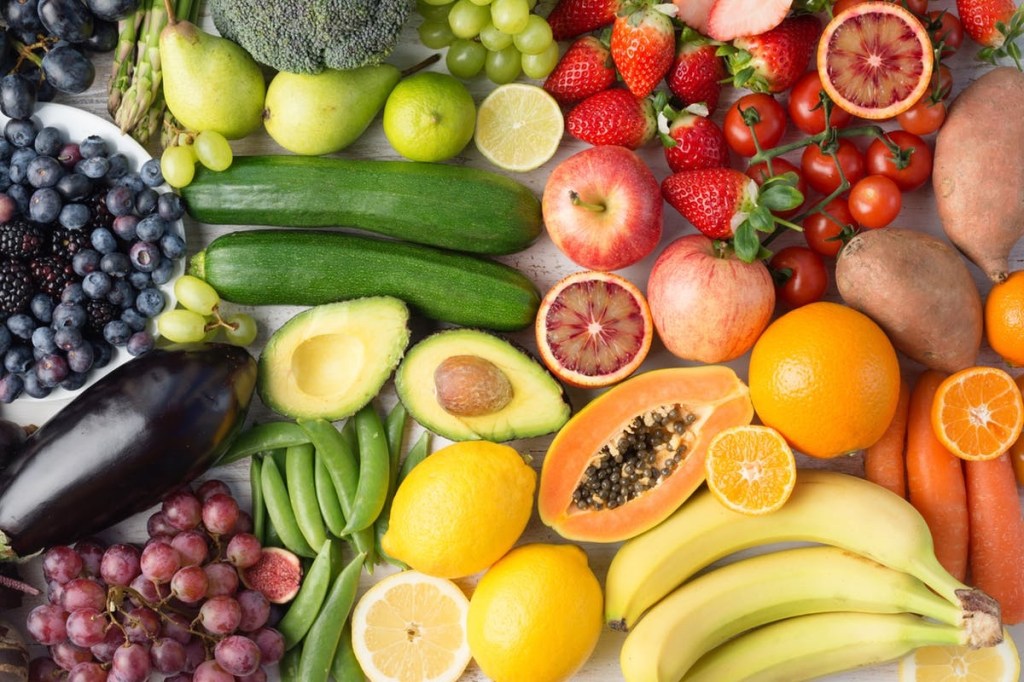
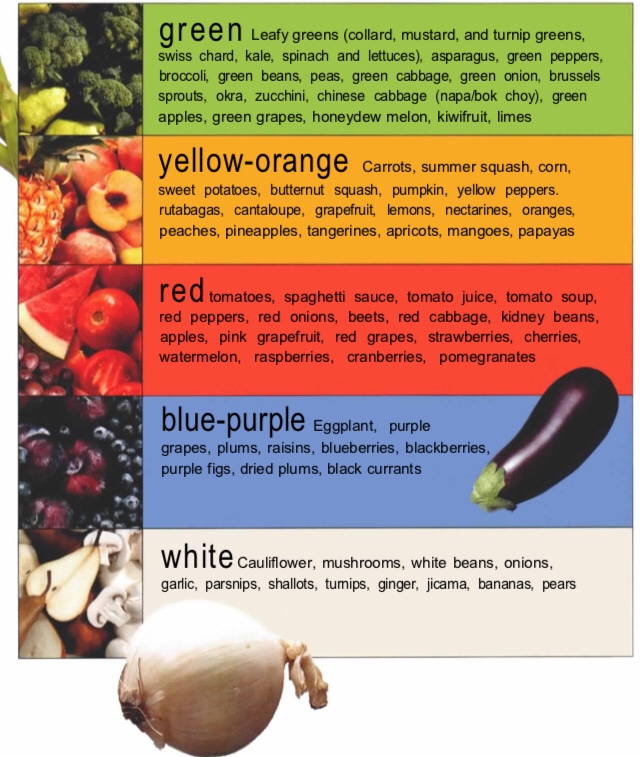
COLOUR IS KEY TO NUTRITION.

PhotoCredit; rtips.cancer.gov>rtipspdf

RED

Red fruits and vegetables can help reduce the risk of cancer and keep your heart healthy.Examples; Tomatoes, red peppers, apples, red grapes, watermelon and others.

ORANGE/YELLOW

These type of fruits and vegetables contain carotenoids which help maintain healthy eyes. They also build your immune system to protect you against disease, and some aid digestion. Examples; Carrots, sweet potatoes, grapefruit, oranges, pineapples, tangerines, mangoes, and others.

BLUE/PURPLE

They contain antioxidants that protect cells from damage and can help reduce the risk of cancer, stroke and heart diseases. Examples: Eggplant, purple grapes, black berries and others.

WHITE/BROWN

They contain variety of health-promoting phytochemical which are known for its antiviral and antibacterial properties (prevention of infections). Examples; Cauliflower, mushrooms, white beans, garlic and others.

GREEN

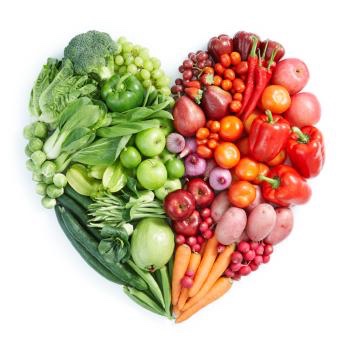
They contain photochemical which prevents cancer. They also build the immune system. Examples: Green leafy such as lettuce, broccoli, spinach, “a yo-yo”, “elefe”, green peppers, green beans, okra and others.

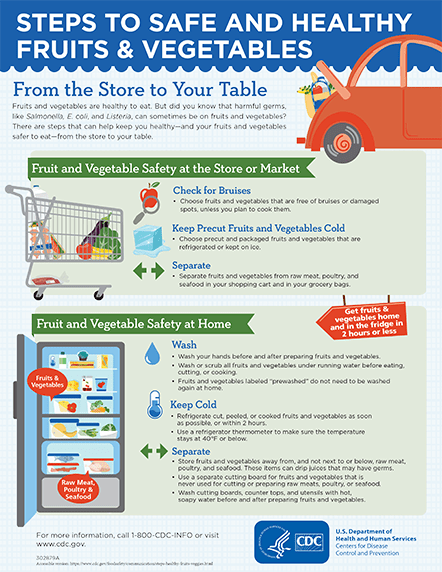
Common ways to contaminate raw fruits and vegetables include; use of untreated manure or faecal waste to grow fruits and vegetables, unhygienic handling like contaminated water for irrigation, and others.

PRODUCER RESPONSIBILITIES.

1. Grow fruits and vegetables with treated faecal waste or manure.

2. Use safe water for irrigation.

3. Protect the fields from faecal contamination by animals or man.

4. Keep harvest equipment, containers and storage facility clean and dry.

5. Practice good personal hygiene.

GOVERNMENT RESPONSIBILITIES.

1. Inspect imported fresh produce.

2. Create awareness of food chain actors and consumers on fruits and vegetables health and food safety.

3. Ensure availability at a reasonable price.

CONSUMER RESPONSIBILITIES.

1. Perform safe practices in homes.

2. Demand safe products of reasonable quality and price.

3. Ensure that fruits and vegetables are part of your daily diet.

4. Consider the establishment of home garden to grow organic and safe fruits and vegetables for consumption.

PhotoCredit;cdc.gov

In conclusion, “every person has the right to safe and nutritious food” (WHO Meeting Report, 2003) but we all have the responsibility to practise mindful eating, that is to pay attention to what we take in, how we feel and what comes out to live healthy and longer. Also, the more colorful the fruits/vegetables, the more vitamins, minerals and antioxidants they have, and the healthier they are. Do not rely on vitamin pills and other supplements but go organic. Thank you.

Sources.

1. http://www.who.int>f&v_p…pdf

2. http://www.researchgate.net>3244…

3. http://www.fao.org>WHO>fijipdf

4. http://www.organicfacts.net>fruit

5. http://www.rtips.cancer.gov>rtipspdf

6. http://www.earthandwater.com

7. http://www.health.harvard.edu>blog

THE LASSA FEVER.

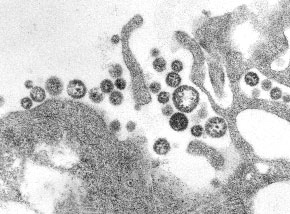
The Lassa Virus.
PhotoCredit: cdc.gov
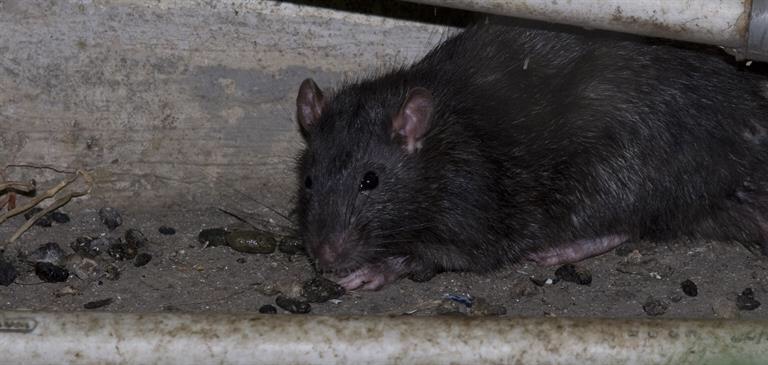
Host; Multimammate rat.
PhotoCredit: WHO.

INTRODUCTION.

Everyday, every time, there are emerging public health diseases across the world but what we need to know is to have in mind that the micro organisms which we cannot see with our naked eyes are with us in our environment. What is most important is to become health conscious all the time irrespective of disease outbreak or not. When we have this in mind, we can together fight all these diseases stressing us.

Practising Hand hygiene (washing hands frequently with soap under running water and/or alcohol hand rub), respiratory hygiene (covering the mouth or nostril when sneezing or coughing, and discard into the bin, and wash hands or alcohol hand rub or coughing/sneezing into your elbow), maintaining social distance, 1m from people ( always stretch your arms to give you the lm distance from anyone you are talking to), these three key measures can help prevent getting infected by these diseases.

BRIEF HISTORY OF LASSA FEVER

The Lassa fever is an acute ( sudden onset) viral haemorrhagic (bleeding) illness caused by Lassa Virus ( a member of the arenavirus family of viruses). This disease was first described in the 1950s but the virus that cause the disease was not identified until 1969 in Nigeria, in the town of Lassa, Borno State, when two (2) missionary nurses died from an unusual febrile illness, hence the name Lassa Fever( LF).

HOW DOES IT SPREAD?

Through exposure to food or household items contaminated with the urine or faeces of infected rodents like rats, when you come into contact with infected person, when laboratory technicians do not use standard precautions during test, they can get infected.

COUNTRIES COMMON WITH THIS DISEASE.

Apart from Nigeria, it is common in other West African countries like Ghana ( first time was October, 2011), Benin ( first time was November, 2014), then Guinea, Mali and Liberia ( the first time confirmed case was February, 2009) but imported into non-endemic countries like UK, USA, Germany and others.

IS THE DISEASE DANGEROUS?

Yes, every viral disease is dangerous but precautions can make you a free man or woman as well as early detection and early treatment. 80% of infected people have no symptoms, the overall case fatality (death) rate is 1%, and the hospitalized(admitted at the hospital ) case fatality rate is 15%. 1 in every 5 people infected result in severe diseases by the virus affecting internal organs like the Liver, Spleen and Kidneys.

WHY IS IT IMPORTANT TO KNOW ABOUT THIS DISEASE?

Since this disease was detected in Nigeria, there have been no instance where a case has not been confirmed but sometimes there is higher cases recorded. Currently, as at 03-09/02/2020, the situation report of Nigeria Centre for Disease Control (NCDC), the suspected cases were 482, confirmed cases; 109, death from confirmed cases; 8 and 19 states have been affected ( Ondo, Edo, Ebonyi, Kano, Kogi, Kaduna, Delta, Taraba, Plateau, Bauchi, Enugu, Kebbi, Nasarawa, Rivera, Katsina, Benue, Adamawa, Sokoto and Oyo). This will help those travelling to Nigeria to take precautions such as frequent hand washing, avoiding contact with rodents or washing hands after touching rodents and others.

WHAT ARE SOME OF SYMPTOMS AND SIGNS TO EXPECT WHEN INFECTED?

Usually, symptoms start gradually after exposure within 6-21days, with fever(>37.2 Degree Celsius), general body weakness then headaches, sore throat, muscle pain, chest pain, nausea,cough, vomiting.

In severe cases, bleeding from all the orifices such as gums, nostrils, vagina, ears, facial swellings and others.

Laboratory test can be used to confirm the disease.

If one has fever, and he/she takes anti malaria or antibiotics but still not responding well then it is important to do Lassa Fever test to confirm.

TREATMENT.

There is no vaccine for this disease but antiretroviral such as Ribavirin is very effective in the early course of the illness, with supportive care.

PREVENTION.

1. Hand Hygiene: We should develop the habit of frequently washing hands with soap under running water and /or frequent alcohol hand rub.

2. Respiratory Hygiene: It is very vital to cover our mouth or nostril with clean tissue when coughing or sneezing, and discard into bin, and wash our hands with soap under running water and/or alcohol hand rub.

3. Maintain a social distance: Maintain a social distance of 1m away from people always. This can be done by stretching your arms to give that 1m away from people during socialization.

4. Community Hygiene: We should store grains and other food stuffs in a rodent-proof containers, dispose our garbages far from the home, and maintain clean households and keep cats.

5. Safe burial practices: Anyone whose death was as a result of Lassa fever should be handled by professionals during burial ceremony in order not to cross infect others. Personal protective Equipment like face masks, gloves, disposable aprons, boots and others should be used when handling the body. All those personal protective equipment used should be decontaminated and discarded into the bin, and wash hands before touching anything.

6. Avoid contact with rodents or after touching rodents, wash hands with soap under running water.

7. Report to any nearby hospital if you are experiencing fever, headaches, General body weakness, abdominal pain, bleeding from the nostril, gums, vagina, ears and others for early treatment.

CONCLUSION.

Lassa Fever can be deadly disease but manageable and treatable if detected early. Hand washing is one major way to prevent the disease. Let do our best to be health conscious because health is life.

Credits.

1. http://www.who.int>…>lassafever.

2. https://ncdc.gov.ng>diseases>sitreps

3. http://www.cdc.gov>vhf>lassa