As a healthcare professional, when friends and family called you, and you tell them you are not well…….what they say is do you health workers also fall sick? I do chuckle and jovially say we are not super beings but human beings like you. Healthcare professionals also fall sick like you too.
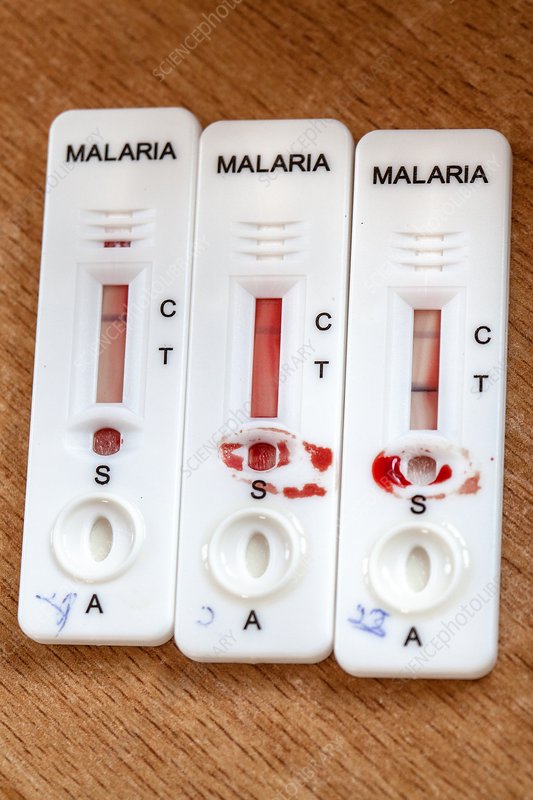
Routinely, I wake up from bed at 5am, pray, maintain my personal grooming, and prepare to work. One day, I could not do this routine activity because I was in dispose by the Almighty Malaria. I was weak, feverish and experiencing headaches…….I could not even eat. Normally, I do blind treatment, this means that I do not do malaria tests before starting treatment. But one time, when similar signs and symptoms started, I did some blind treatment. Guess what happened to me! This time it did not work after completing the antimalarial treatment. It was then I realized that I have to go and do Rapid Diagnostic Test (RDT) . The test came out negative. I have to run other tests like full blood count (FBC), which came out with a high white blood cell count. This means I have infections so I have to start with antibiotic therapy. My role and your role to zero malaria, always visit a nearby health facility for malaria test if you suspect malaria before you start treatment. Please, do not do the blind treatment.
According to the World Malaria Report 2022, by World Health Organisation (WHO), Almighty malaria kills more than 600000 people every year, and 247 million cases were recorded in 2021. This is why WHO has set every 25th of April as World Malaria Day to give attention to the need for continued investment and to maintain a political dedication to malaria prevention and control. This year’s theme is Time To Deliver Zero Malaria: Invest, Innovate, Implement.
Let’s briefly look at what this malaria is, the cause, and it’s trend, and signs and symptoms. Malaria is a serious disease caused by Plasmodium falciparum. This parasite is introduced into the bloodstream when one gets bitten by infected anopheles mosquito. The anopheles mosquito is the only mosquito that is able to transmit malaria parasite (Plasmodium falciparum). Some of the anopheles mosquitoes include Female Anopheles Mosquito and Anopheles Stephensi. This Anopheles stephensi is a high competent vector of plasmodium falciparum, which is highly invasive, spreads quickly, and can adapt to a wide range of climate conditions. This type of mosquito is resistant to multiple insecticides. The Anopheles stephensi was first detected in 2011 in South Asia and Arabia Peninsula then Djibouti (2012), Ethiopia and Sudan (2016), Somalia (2019), Nigeria (2020), and Ghana (March 2023).
How one can get the malaria
When an infected female anopheles mosquito or anopheles stephensi mosquito bites you, it introduces the parasite (Plasmodium falciparum) into your bloodstream. After 10 days to 1 month, one starts experiencing shivering, chills, high fever, headache, nausea and vomiting, fatigue, and others. Sometimes, one may get a cycle of malaria ‘attack’; this starts with shivering and chills, followed by a high fever, sweating, and a return to normal temperature.
Studies indicated that some challenges affecting the zero malaria program include a lack of robust, predictable, and sustained International and domestic financing, lack of political will, weak supply chains leading to failure of availability of quality-assured products at the Service Delivery Point (SDP), weak systems for surveillance, and biological challenges like emergence or expansion of parasite resistance to antimalarial medicines, and mosquito resistance to insecticides, including new invading vector (Anopheles stephensi) leading to false-negative RDT results.
For us as a global village, we have an individual role, local institutional role, government role, policy maker role, and international organizational role to play to achieve zero malaria. These roles will be categorized under subheadings such as Invest, Innovate, and Implement.
Invest
Individual Role
Let’s invest our time and energy to do the following.
Remove all water collection points in and around your homes and community. Mostly, we think of only dirty stagnant water as a breeding ground for mosquitoes but the female anopheles mosquito also likes clean water. Therefore, we need to cover our water at home.

Dispose of refuge at the appropriate and authorized place.
Keep your environment clean
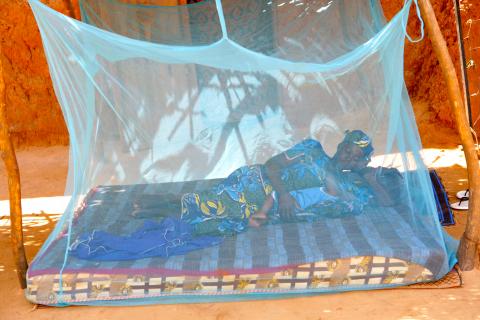
Sleep under treated insecticide mosquito nets….do not use them for gardens because malaria can be life-threatening and deadly.
Wear long sleeves and long dresses to cover the skin when you are outside in the evening from 5 pm onwards to prevent mosquito bites.
Undertake Indoor Residual Spraying (IRS) at your home.
Perform larviciding through the application of biological or chemical insecticides to stagnant water around your home.
Government/Institution/Policy Maker Role
Provide adequate financing to uphold advancement in measures to fight malaria. This can be demonstrated through a political commitment to resources and actions to ensure all those in need have access to the appropriate mix of interventions for malaria.
Keep ahead of malaria by building a culture of learning and adapting with the ability to effectively generate and use knowledge to point out gaps, health disparities, and existing inequalities, monitor progress, and others. This can be achieved by strengthening the health workforce and build their skills for malaria prevention and control.
Through research, we can obtain a better understanding of the parasites and vectors to develop efficacious diagnostics, medicines and vaccines.
Again, through research, we will be able to develop and implement plans for monitoring and managing insecticide resistance.
Government must also invest in malaria surveillance data, including areas that are malaria-free but at risk of re-establishment of malaria.
Innovate
Government/Institution/Policy Maker Role
Through research, the following were invented: Rapid Diagnostic Tests (RDTs), Insecticide Treated Nets (ITNs), Artemisinin-based Combination Therapies (ACTs).
Additionally, to deliver zero malaria, government, institutions and researchers can look at non-invasive diagnosis using saliva and urine for rapid screening outside the medical environment as an area of study.
Lastly, several malaria vaccines are at their various stages of development, some in phase 3 clinical trials. Next-generation medicines are also in the development pipeline such as “Triple ACTs”, which include a combination of artemisinin, and two partner drugs to decrease the risk of drug resistance. WHO also hinted that other medicines alternative to artemisinin and its derivatives, four of such medicines are now in their clinical trials.
Implement
Government/Institution/Policy Maker Role
National Malaria Programs should include insecticide-treated nets (ITNs), Indoor Residual Spraying (IRS), and Larviciding where chemical insecticides are introduced to water collection points to kill the larva of mosquitoes to prevent their breeds.
Countries should intensify the malaria vaccines program for children under five.
The chemoprevention programs such as Intermittent Preventive Treatment of Pregnant Women (IPTp), Intermittent Preventive Treatment of Infants (IPTi), Seasonal Malaria Chemoprevention (SMC) for children under six, and chemoprophylaxis for travelers should be implemented.
In conclusion, let’s drain all water collection points, cover our water collection container at home, and keep our environment clean. Also, collaboration among National Malaria Control Programmes, Researchers, funders, and others should be increased in terms of sharing knowledge and resources. We should prioritize research, institutions like Ghana Health Service should strengthen surveillance, and information exchange should be improved. Zero malaria starts with me and you so all hands on the desk.
Sources
World Health Organization. (2021). Global Technical Strategy for Malaria 2016-2030. World Health Organization. https://www.who.int
World Health Organization. (2022). World Malaria Report 2022. World Health Organization. https://www.who.int
World Health Organization. (2023). World Malaria Day 2023. World Health Organization. https://www.who.int
 Kwasi Omaro