
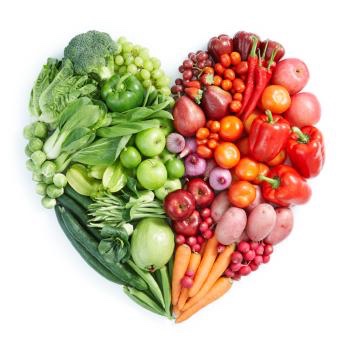
According to Brookie et al, 2018, “raw fruits and vegetables intake but not processed significantly have higher mental health outcomes such as reduced depression, higher positive mood, life satisfaction and flourishing”. This indicates that the intake of raw fruits and vegetables gives much micronutrients than the processed ones.
Approximately, 2.7million lives could potentially be saved each year globally if fruits and vegetables consumption were sufficiently increased ( World Health Report, 2002 cited in WHO Meeting Report, 2003). Again, the WHO International Agency for Research on Cancer (IARC) estimated that fruits and vegetables consumptions have preventable percentage of 5-12 for all cancers, and up to 20-30% for all upper gastrointestinal tract cancers (mouth, pharynx, oesophagus, stomach, colon, rectum, pancreas) worldwide. All the above inform us that to eat for life is more intake of raw fruits and vegetables. Some will argue that then let us all be vegetarians but no, we also need calorie and body building foods like the rice, maize, banku, fish, meat, eggs and others, but not in much quantities.
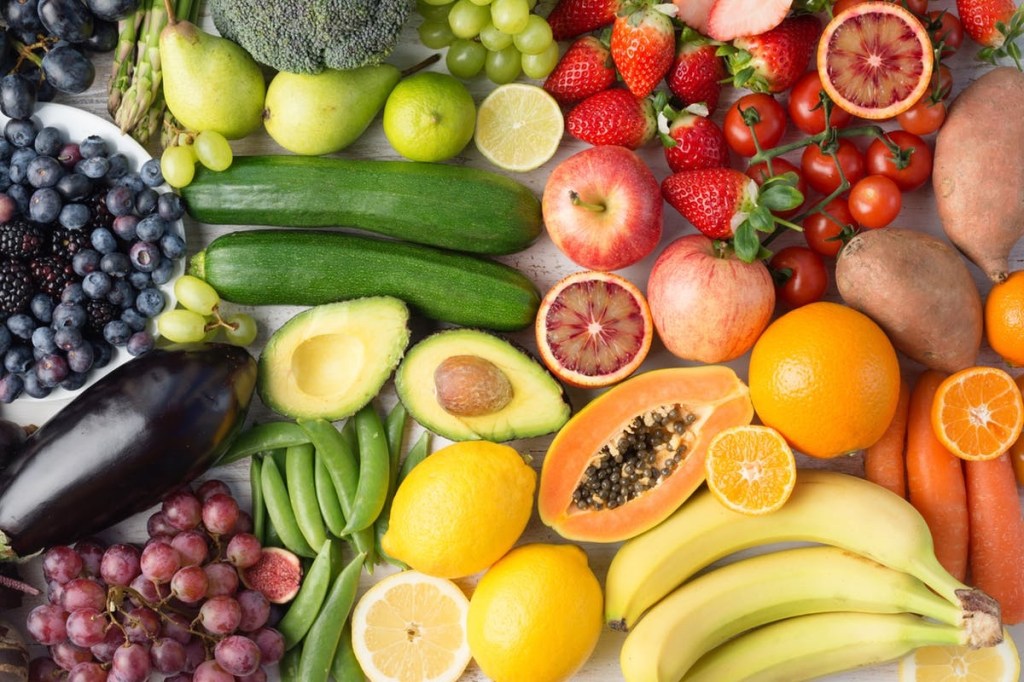
To eat to live means we must be concerned about whatever goes in, how it makes us feel, and comes out. Mindful eating practice is the way to go. Avoid foods that you eat give you allergies, Change your mood and others. Fruits and vegetables should be part of you all the time to save your life. The most difficult thing to do is making changes in our diet but once started, it becomes increasingly easier. Most researchers provide more health benefits of fruits and vegetables which will be discussed here but mindful eating of them is very important to save our life. The mindful eating practices of these fruits and vegetables will also be explained here.
HEALTH BENEFITS OF FRUITS & VEGETABLES.
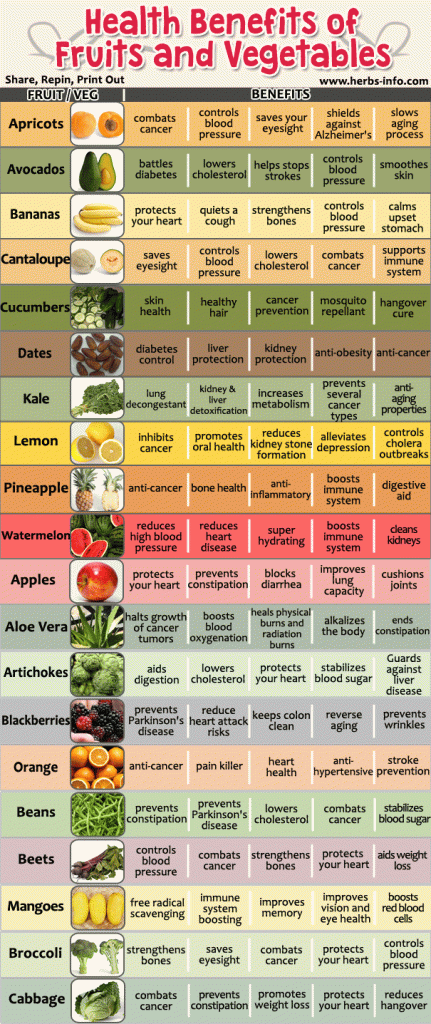
1. Help manage our weight. Fruits and vegetables are low in calories (energy) and fat, and most have a lot of water and fiber to make you feel full.
2. Lower your chances for cancers. Some fruits and vegetables contain antioxidants which prevent cancer of gastrointestinal tract, breast, bladder and other parts of the body.
3. Lower our chance for heart disease. Some Fruits and vegetables are low in saturated fat and cholesterol which lower blood pressure.
4. Prevent constipation. Some fruits vegetables have high fiber and roughage which help to free one bowel.
COLOUR IS KEY TO NUTRITION.
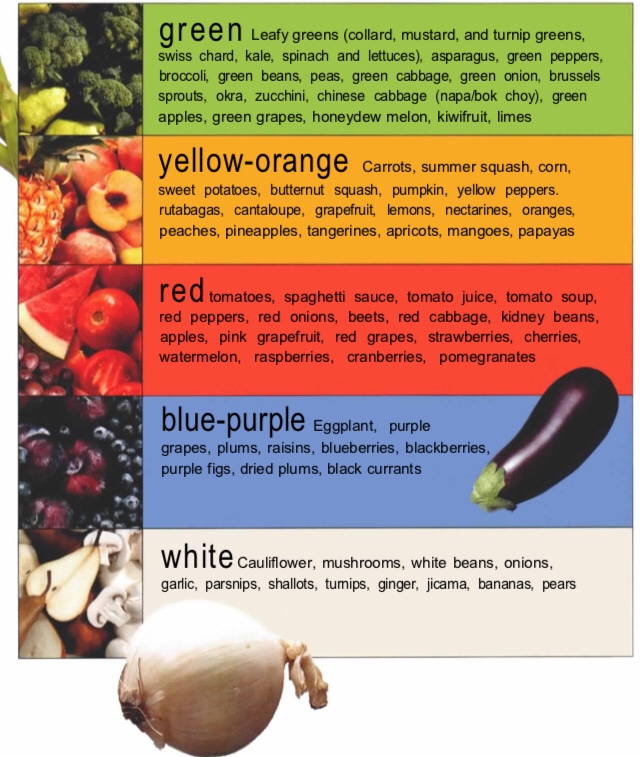
RED
Red fruits and vegetables can help reduce the risk of cancer and keep your heart healthy.Examples; Tomatoes, red peppers, apples, red grapes, watermelon and others.
ORANGE/YELLOW
These type of fruits and vegetables contain carotenoids which help maintain healthy eyes. They also build your immune system to protect you against disease, and some aid digestion. Examples; Carrots, sweet potatoes, grapefruit, oranges, pineapples, tangerines, mangoes, and others.
BLUE/PURPLE
They contain antioxidants that protect cells from damage and can help reduce the risk of cancer, stroke and heart diseases. Examples: Eggplant, purple grapes, black berries and others.
WHITE/BROWN
They contain variety of health-promoting phytochemical which are known for its antiviral and antibacterial properties (prevention of infections). Examples; Cauliflower, mushrooms, white beans, garlic and others.
GREEN
They contain photochemical which prevents cancer. They also build the immune system. Examples: Green leafy such as lettuce, broccoli, spinach, “a yo-yo”, “elefe”, green peppers, green beans, okra and others.
Common ways to contaminate raw fruits and vegetables include; use of untreated manure or faecal waste to grow fruits and vegetables, unhygienic handling like contaminated water for irrigation, and others.
PRODUCER RESPONSIBILITIES.
1. Grow fruits and vegetables with treated faecal waste or manure.
2. Use safe water for irrigation.
3. Protect the fields from faecal contamination by animals or man.
4. Keep harvest equipment, containers and storage facility clean and dry.
5. Practice good personal hygiene.
GOVERNMENT RESPONSIBILITIES.
1. Inspect imported fresh produce.
2. Create awareness of food chain actors and consumers on fruits and vegetables health and food safety.
3. Ensure availability at a reasonable price.
CONSUMER RESPONSIBILITIES.
1. Perform safe practices in homes.
2. Demand safe products of reasonable quality and price.
3. Ensure that fruits and vegetables are part of your daily diet.
4. Consider the establishment of home garden to grow organic and safe fruits and vegetables for consumption.
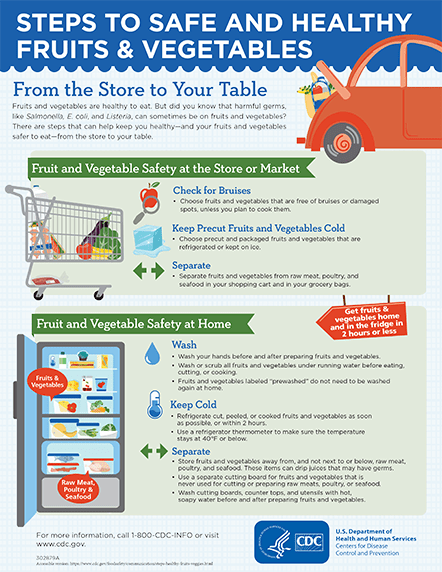
In conclusion, “every person has the right to safe and nutritious food” (WHO Meeting Report, 2003) but we all have the responsibility to practise mindful eating, that is to pay attention to what we take in, how we feel and what comes out to live healthy and longer. Also, the more colorful the fruits/vegetables, the more vitamins, minerals and antioxidants they have, and the healthier they are. Do not rely on vitamin pills and other supplements but go organic. Thank you.
Sources.
1. http://www.who.int>f&v_p…pdf
2. http://www.researchgate.net>3244…
3. http://www.fao.org>WHO>fijipdf
4. http://www.organicfacts.net>fruit
5. http://www.rtips.cancer.gov>rtipspdf
 Kwasi Omaro