
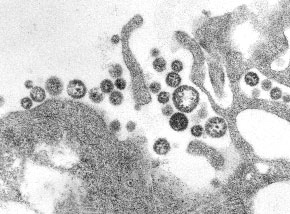
PhotoCredit: cdc.gov
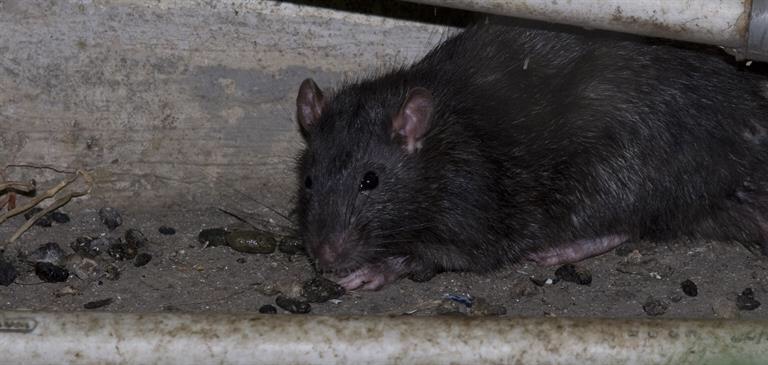
PhotoCredit: WHO.
INTRODUCTION.
Everyday, every time, there are emerging public health diseases across the world but what we need to know is to have in mind that the micro organisms which we cannot see with our naked eyes are with us in our environment. What is most important is to become health conscious all the time irrespective of disease outbreak or not. When we have this in mind, we can together fight all these diseases stressing us.
Practising Hand hygiene (washing hands frequently with soap under running water and/or alcohol hand rub), respiratory hygiene (covering the mouth or nostril when sneezing or coughing, and discard into the bin, and wash hands or alcohol hand rub or coughing/sneezing into your elbow), maintaining social distance, 1m from people ( always stretch your arms to give you the lm distance from anyone you are talking to), these three key measures can help prevent getting infected by these diseases.
BRIEF HISTORY OF LASSA FEVER
The Lassa fever is an acute ( sudden onset) viral haemorrhagic (bleeding) illness caused by Lassa Virus ( a member of the arenavirus family of viruses). This disease was first described in the 1950s but the virus that cause the disease was not identified until 1969 in Nigeria, in the town of Lassa, Borno State, when two (2) missionary nurses died from an unusual febrile illness, hence the name Lassa Fever( LF).
HOW DOES IT SPREAD?
Through exposure to food or household items contaminated with the urine or faeces of infected rodents like rats, when you come into contact with infected person, when laboratory technicians do not use standard precautions during test, they can get infected.
COUNTRIES COMMON WITH THIS DISEASE.
Apart from Nigeria, it is common in other West African countries like Ghana ( first time was October, 2011), Benin ( first time was November, 2014), then Guinea, Mali and Liberia ( the first time confirmed case was February, 2009) but imported into non-endemic countries like UK, USA, Germany and others.
IS THE DISEASE DANGEROUS?
Yes, every viral disease is dangerous but precautions can make you a free man or woman as well as early detection and early treatment. 80% of infected people have no symptoms, the overall case fatality (death) rate is 1%, and the hospitalized(admitted at the hospital ) case fatality rate is 15%. 1 in every 5 people infected result in severe diseases by the virus affecting internal organs like the Liver, Spleen and Kidneys.
WHY IS IT IMPORTANT TO KNOW ABOUT THIS DISEASE?
Since this disease was detected in Nigeria, there have been no instance where a case has not been confirmed but sometimes there is higher cases recorded. Currently, as at 03-09/02/2020, the situation report of Nigeria Centre for Disease Control (NCDC), the suspected cases were 482, confirmed cases; 109, death from confirmed cases; 8 and 19 states have been affected ( Ondo, Edo, Ebonyi, Kano, Kogi, Kaduna, Delta, Taraba, Plateau, Bauchi, Enugu, Kebbi, Nasarawa, Rivera, Katsina, Benue, Adamawa, Sokoto and Oyo). This will help those travelling to Nigeria to take precautions such as frequent hand washing, avoiding contact with rodents or washing hands after touching rodents and others.
WHAT ARE SOME OF SYMPTOMS AND SIGNS TO EXPECT WHEN INFECTED?
Usually, symptoms start gradually after exposure within 6-21days, with fever(>37.2 Degree Celsius), general body weakness then headaches, sore throat, muscle pain, chest pain, nausea,cough, vomiting.
In severe cases, bleeding from all the orifices such as gums, nostrils, vagina, ears, facial swellings and others.
Laboratory test can be used to confirm the disease.
If one has fever, and he/she takes anti malaria or antibiotics but still not responding well then it is important to do Lassa Fever test to confirm.
TREATMENT.
There is no vaccine for this disease but antiretroviral such as Ribavirin is very effective in the early course of the illness, with supportive care.
PREVENTION.
1. Hand Hygiene: We should develop the habit of frequently washing hands with soap under running water and /or frequent alcohol hand rub.
2. Respiratory Hygiene: It is very vital to cover our mouth or nostril with clean tissue when coughing or sneezing, and discard into bin, and wash our hands with soap under running water and/or alcohol hand rub.
3. Maintain a social distance: Maintain a social distance of 1m away from people always. This can be done by stretching your arms to give that 1m away from people during socialization.
4. Community Hygiene: We should store grains and other food stuffs in a rodent-proof containers, dispose our garbages far from the home, and maintain clean households and keep cats.
5. Safe burial practices: Anyone whose death was as a result of Lassa fever should be handled by professionals during burial ceremony in order not to cross infect others. Personal protective Equipment like face masks, gloves, disposable aprons, boots and others should be used when handling the body. All those personal protective equipment used should be decontaminated and discarded into the bin, and wash hands before touching anything.
6. Avoid contact with rodents or after touching rodents, wash hands with soap under running water.
7. Report to any nearby hospital if you are experiencing fever, headaches, General body weakness, abdominal pain, bleeding from the nostril, gums, vagina, ears and others for early treatment.
CONCLUSION.
Lassa Fever can be deadly disease but manageable and treatable if detected early. Hand washing is one major way to prevent the disease. Let do our best to be health conscious because health is life.
Credits.
1. http://www.who.int>…>lassafever.
 Kwasi Omaro