
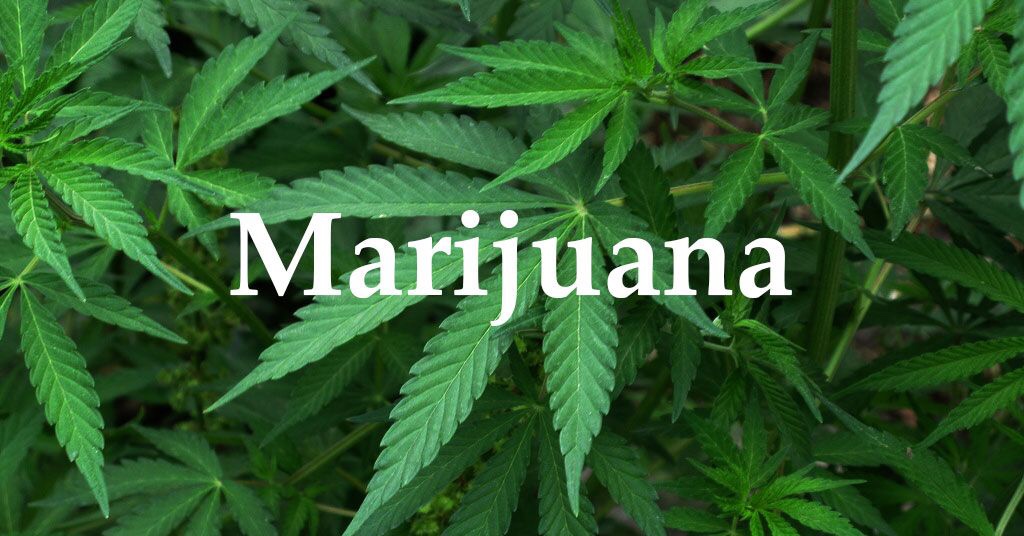
BRIEF HISTORICAL ORIGIN OF MARIJUANA.
Marijuana originated from China between 2700-2900 BC where the Chinese used marijuana for maladies ranging from rheumatism to constipation (Dzidepo Hanu, psychiatric nurse, retrieved from http://www.peacefmonline.com, 2015; http://www.marijuanaprocon.org). In 1611, the North America started the marijuana activities then in 1800s, doctors were using Cannabis extracts for various ailments, that is treatment for opiate addiction, leprosy, cholera and others. US included it in their pharmacopoeia during the 1800 and 1900 (Dzidepo Hanu, retrieved from http://www.peacefmonline.com, 2015: http://www.marijuanaprocon.org).
SHORT DESCRIPTION OF MARIJUANA.
Marijuana is a herb derived from female Cannabis Sativa plant. It is prepared from the dried flowering tops and leaves of the plant (Singh and Gupta, 2017; WHO, 2016). Some of the street name include Bhang, gaanja, weed, pot, Hashish etcs. Route of administration can be smoking, injection, oral, rectal, topical, inhalation and others. Delta-9-Tetrahydrocannabinol (THC), Cannabidiol (CBD), and Cannabinol (CBN) are the three principal psychoactive compounds in marijuana but THC is the primary psychoactive compound which makes one feel “high” after ingestion of marijuana (WHO, 2016).
Classification of marijuana based on the purpose.
Medicinal/medical marijuana.
It is the use of marijuana plants or chemicals to treat diseases or conditions. The main chemicals used are the THC and CBD (www.webmd.com). According to United Nations Office on Drugs and Crime (UNODC), the recommended potency of THC for medicinal purposes include the following: Pistillate flowers (10-12%), Leaves (1-2%), Stalks (0.1-0.3%), and roots (<0.03%) (WHO, 2018).
Note: The potency of THC of the marijuana product depends on the growing conditions, the genetic characteristics of the plant, and the part of the plant that is used ( Clarke and Watson, 2002 cited in WHO, 2016). This means that trained professionals are required to reduce the potency of THC to the recommended level for medical marijuana.
Side Effects of Medicinal marijuana (www.webmd.com)
Bloodshot eyes, depression, dizziness, fast heartbeat, hallucinations and Low blood pressure.
Recreational marijuana.
It is also known as Adult-use marijuana (www.marijuanaprocon.org).
Social marijuana.
It is the formation of social cannabis club to enhance social experiences like parties or concerts, and some consider it as part of their daily lifestyle (www.thesocialweed.com). For instance, cannabis community events, cannabis recipes, cannabis strains and others.

PhotoCredit: thesocialweed.com
BRIEF HISTORICAL BACKGROUND OF LEGALISATION ADVOCACY.
Nearly 600,000 Americans were arrested for marijuana possession annually, that is more than one person per minute (www.marijuanaprocon.org) till legalisation. The public support to legalise marijuana increased from 12% in 1969 to 66% in 2012, which led to first legalisation of recreational marijuana in Colorado and Washington in 2012. (www.marijuanaprocon.org).
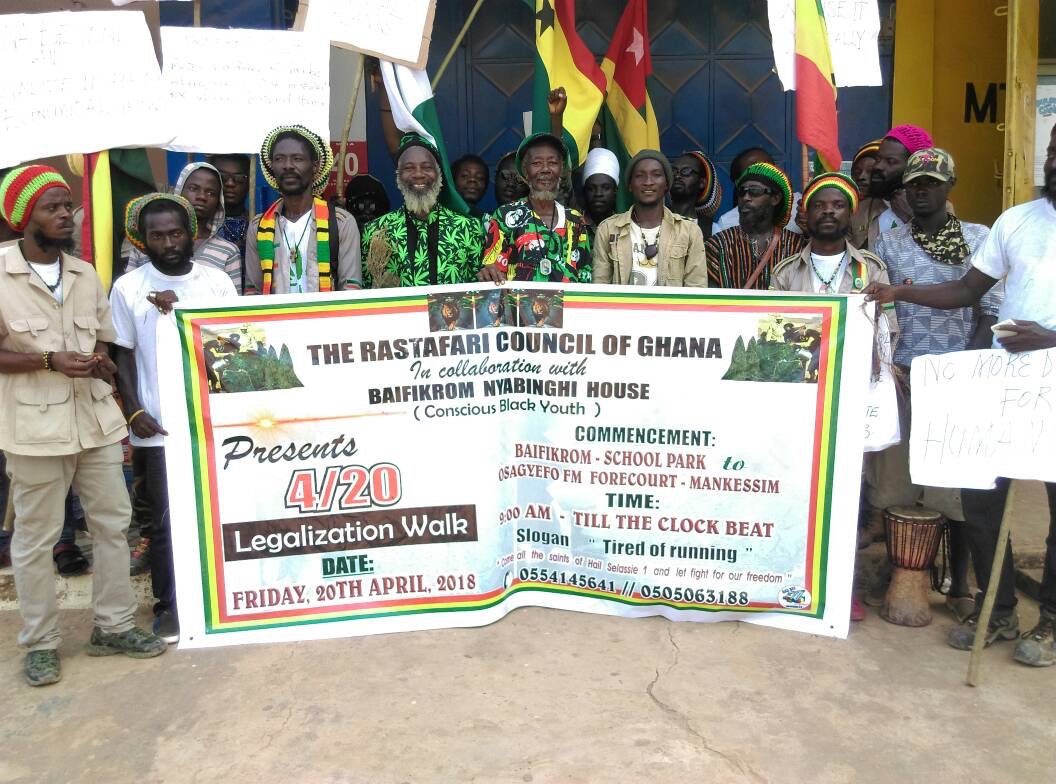
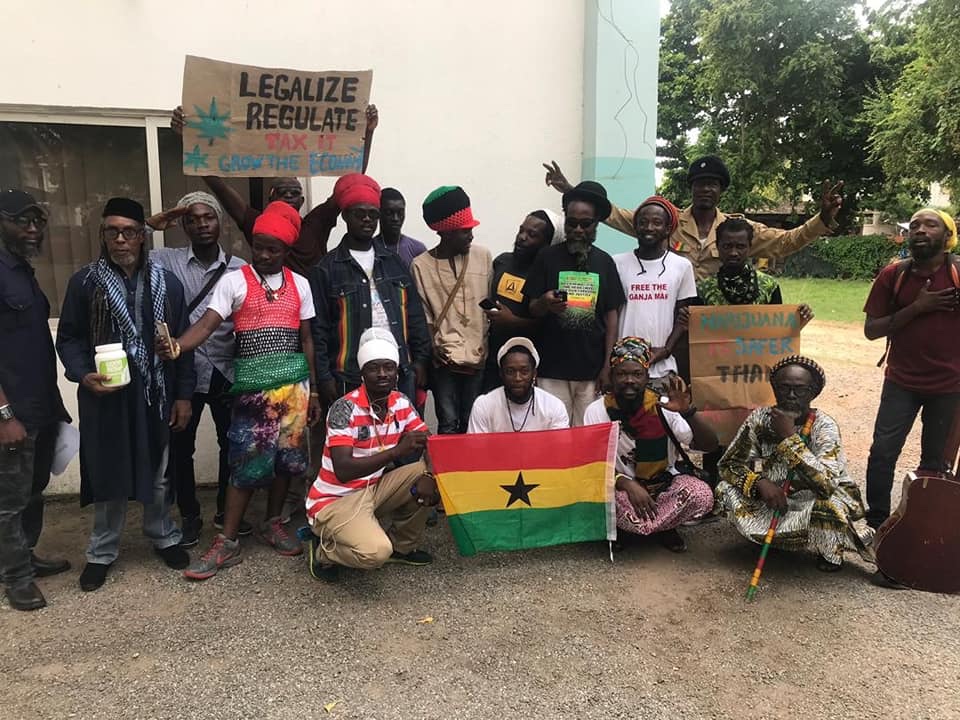
In Ghana, people started advocating for legalisation of marijuana in “trotro”, door to door, public places and others. Comments from some renowned leaders to decriminalize marijuana, and have national debate led to the formation of Rastafarian Council of Ghana in 2009, to push this agendum. Some of the leaders who said marijuana should be legalized include: Prof. Dodoo (CEO of Ghana Standard Authority), Nana Akrasi Sarpong (Executive Secretary of Narcotics Control Board), Blakk Rasta on airwaves, Kofi Anan (former UN Secretary, RIP). The Rastafarian Council petitioned Nana Akrasi Sarpong on the need to legalise but he (Nana Akrasi) redirected the council to parliament. In March, 2016, the Rastafarian Council sent petition to parliament but the council was not called. The council sent amended petition again to parliament but no response was given again. The council therefore in April, 20, 2018 had press conference on the need to legalise marijuana at Mankessim, with the theme; legalisation walk. On Wednesday, 26th June, 2019, there was 10 days court injunction on the intended legalisation demonstration organized by the Rastafarian Council. All these activities have triggered active discussions on whether to legalise or not in the media space recently.


References have been made to the economic benefits of African countries who recently decriminalized marijuana such as Zimbabwe, South Africa and Lesotho. Source; www. ghanaweb.com and Ghnewsnow.com
DISCUSSIONS
Proponents views; For legalisation of marijuana.
1. Legalise and regulate for economic benefits as well as health benefits.
2. They also contend that regulating marijuana will lower street crime, and take business away from the drug cartels.
3. Marijuana use will be safer through required testing, labeling, and child-proof packaging.
5. Marijuana is less harmful than alcohol, and that adults should have the right to use it if they wish (www.marijuanaprocon.org).
6. Criminalization of marijuana has proven to be a failed public health policy for some reasons ( California Medical Association (CMA) cited in Dzidepo Hanu, http://www.peacefmonline.com).
Samuel Cudjoe Dzidepo Hanu, psychiatric nurse said “In fact, let nobody get deluded about the fact, marijuana is simply available on our streets and cheaper. As a psychiatric nurse, I am equally frustrated about the marijuana situation since patients on admission in the psychiatric hospital with diagnoses of substance abuse/dependence are able to put some coins (from benevolence donation) together and send for some rolls. Legalisation will check this anomaly by raising the cost of marijuana the production of varieties with varying strengths”.
Legalise and regulate.
1. The state should have public drug policy on marijuana comprising the following;
a) Supply reduction policy; reducing the availability and use of marijuana.
b) Harm reduction; reducing the criminal sanctions associated with possession of marijuana.
c) Demand reduction; supplying other augmenting items (like syringes for injection of marijuana) to reduce harms (such as HIV/AIDS) associated with using marijuana (Dzidepo Hanu, http://www.peacefmonline.com).
2. Availability of Trained professionals to reduce the potency of THC of marijuana for medicinal purposes.
3. Narcotics Control Board should be empowered to issue licenses to any private company or individuals who want to produce and distribute marijuana after meeting all requirements, and should revoke their licenses if they violate the rules.
a) Production process; Standardisation of growing conditions, and the genetic characteristics of the plant.
b) Distribution: specified distribution centre that meets standard.
4. Taxation; tax cannabis products.
AIMS OF LEGALISATION OF MARIJUANA (Samuel Cudjoe Dzidepo Hanu, 2015, http://www.peacefmonline.com)
1. It allows for explorative research for medicinal purpose.
2. It raises tax revenues to boost the economy.
3. There will be elimination of arrest.
4. It will assure product quality.
5. It will allow criminal justice resources to be redirected to other priorities.
6. It increases choices for those seeking intoxication.
7. Lastly, it cuts black markets and associated harms from corruption and violence.
HEALTH BENEFITS.
Medicinal marijuana is used to treat the following:
1. Chemotherapy-induced nausea and vomiting (www.drugs.com)
2. Spasticity in multiple sclerosis ( a symptom that causes the muscles to feel stiff, heavy and difficult to move) (www.drugs.com).
3. Treatment-resistant seizures (www.drugs.com).
4. Neuropathic pain ( severe and chronic pain resulting from nerve injury, disease or toxicity) ( University of California Centre for Medicinal Cannabis Research).
5. Appetite stimulation (Dziedepo, 2015, http://www.peacefmonline.com).
6. Post traumatic stress disorder.
7. Epilepsy.
8. Alzheimer’s disease.
ECONOMIC BENEFITS.
1. Tax cannabis; Legalisation of marijuana can help to tax cannabis which will generate revenues to boost the country’s economic. For instance, it was reported that UK generates net profit of £6.7billion per annum from UK cannabis market, however, others see this as “sin tax” (Dziedepo, 2015, http://www.peacefmonline.com).
2. The country will obtain foreign exchange through exportation (Dziedepo, 2015, http://www.peacefmonline.com).
3. The rate of mental illness as a result of marijuana use will reduce drastically, hence, the state can redirect resources to other priorities ; Trained professionals will ensure the standard potency of THC for medicinal purposes are met. For instance; Canada is reported to be one of the countries with a high rate of cannabis use while Portugal, a country that has shifted from criminal penalties to civil sanctions and treatment, is reporting very low drug use among young people, indeed, the lowest in any European country ( Dziedepo, 2015, http://www.peacefmonline.com).
4. It boosts Human Resources leading to increased productivity which reflects positively on the country’s economic. Quality products reduce Marijana use mental illness. Also, reduction of social destruction of family units as a result of marijuana use since the potency of THC is regulated to meet standards (CMA).
4. Legalisation and regulation will ensure product quality which will protect children, pregnant women, and the general public from second hand smoke since places for smoking would be created like done in other countries. Hence, there will be more productive Human Resources which boost the country’s economic (Dziedepo, 2015, wwww.peacefmonline.com).
5. Creation of canna-tourism industry. John Kagia, a researcher for New Frontier predicted that “Illinois, one of the states in the Midwest to offer recreational weed will attract more out of state visitors to tour the cannabis industry” (www.thesocialweed.com).
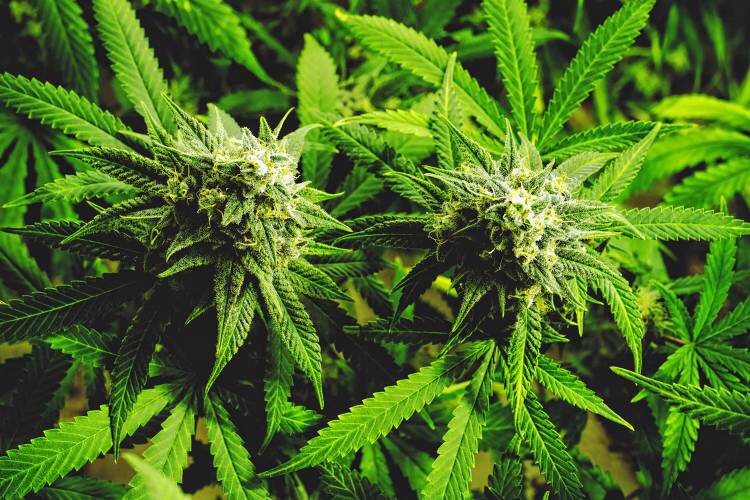
Opponents view ( Against legalisation of marijuana) (www.marijuanaprocon.org).
1. It will increase teen use, and lead to more medical emergencies including traffic deaths from driving while high.
2. They contend that revenues from legalisation fall far short of the costs in increased hospital visits, addiction treatment, environmental damage, crime, workplace accidents, and lost productivity.
3. Marijuana use harms the user physically and mentally, hence, should be not be legalised.
Negative health implications.
The opponents are of the view that marijuana is a psychoactive substance which has euphoric (happiness), dysphoric (anxiety symptoms), and relaxing effects (WHO, 2016). Hence, these effects can lead to mental disorders such as psychoses, depression, anxiety and suicidal behaviour, physical health effects such as cardiovascular diseases, chronic obstructive pulmonary diseases, respiratory diseases and other cancers.
ECONOMIC IMPLICATIONS.
The opponents accepted that through the exportation of marijuana, the country can obtain foreign exchange to boost the country’s economic but however, all those money will be used to treat marijuana use mental illness, and experience low productivity because the public will abuse the system when legalised.
Also, there is lack of trained of professionals to reduce the high potency of marijuana for medicinal purposes, and this can lead to more marijuana use mental illness.
CONCLUSION.
Systems must be put in place before marijuana is legalised in Ghana. The country must engage stakeholders and have national debate on this legalisation because this is a global phenomenon which is bound to happen in Ghana. Let’s engage, educate, and put systems in place for safe use of marijuana. Some of systems include trained professionals to monitor the production and distribution of marijuana, well equipped laboratory for trained professionals , license for those who will engage in marijuana business and others. Thank you. All comments are welcome.

 Kwasi Omaro